
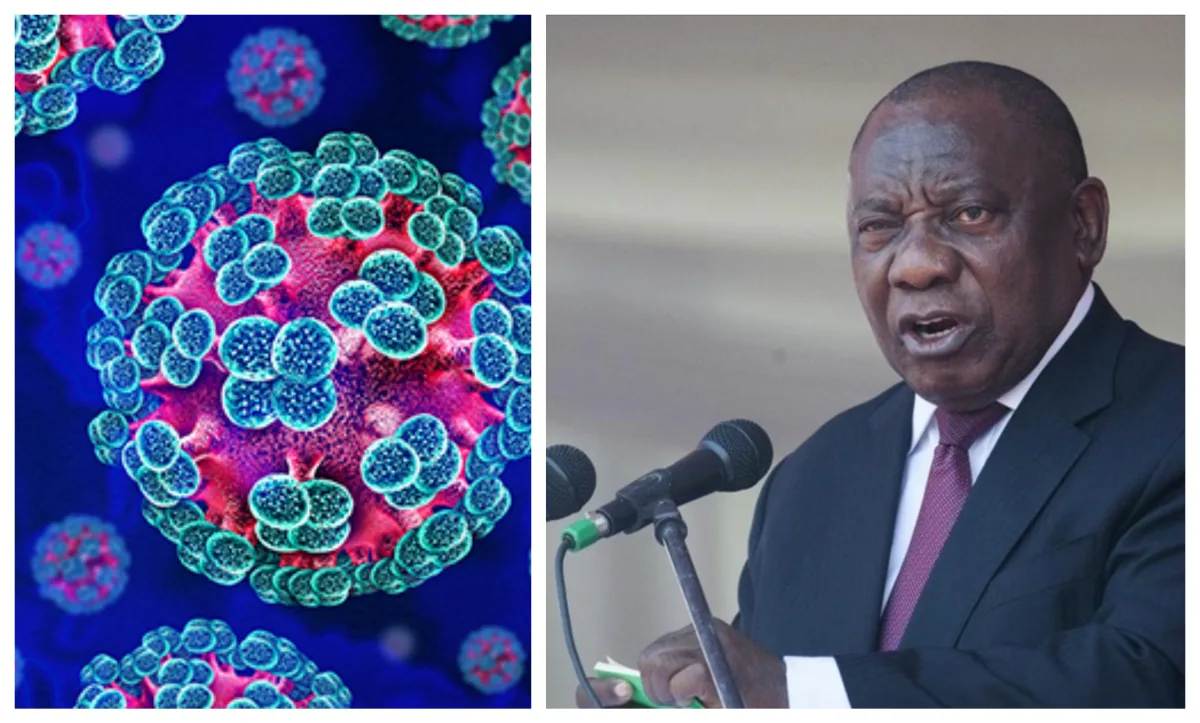
A recent hantavirus outbreak aboard a cruise ship docked in South Africa has served as a stark reminder of the importance of equitable pathogen access and benefit sharing in global health preparedness. While hantavirus is not classified as a pandemic threat, the incident has reignited debates over how nations should collaborate, or fail to, when sharing critical pathogen data and resources.
The outbreak, which left several passengers critically ill and a small number of deaths reported, prompted South African authorities to act swiftly. Patients were promptly transferred to local hospitals for treatment, and South African scientists immediately began sequencing the virus’s genomic profile. Unlike some nations that may hoard or restrict pathogen data, South Africa shared its findings transparently with the World Health Organization (WHO), facilitating international contact tracing and repatriation efforts. This approach mirrors the country’s earlier transparency during the discovery of the Omicron variant, reinforcing its reputation as a responsible global health partner.
Beyond medical response, South Africa’s handling of the outbreak demonstrated a commitment to human rights and dignity. Patients and exposed individuals were treated without stigma, ensuring equitable access to care, a principle that contrasts sharply with some countries’ historical tendencies to isolate or marginalize those affected by emerging pathogens. The incident has also brought painful parallels to the COVID 19 pandemic, where inequities in data sharing and resource distribution exacerbated global suffering.
The outbreak’s aftermath has underscored a critical truth: even for pathogens with lower pandemic potential, robust international cooperation is essential. South Africa’s proactive stance, sharing data, collaborating with global health bodies, and prioritizing ethical treatment, highlights why equitable frameworks for pathogen access and benefit sharing must be enshrined in pandemic agreements. Without such measures, future outbreaks, regardless of their severity, risk deepening global health inequalities.
The lesson from South Africa’s response is clear: transparency, cooperation, and equity are not optional, they are the foundation of effective pandemic preparedness.








DISCUSSION (0)