
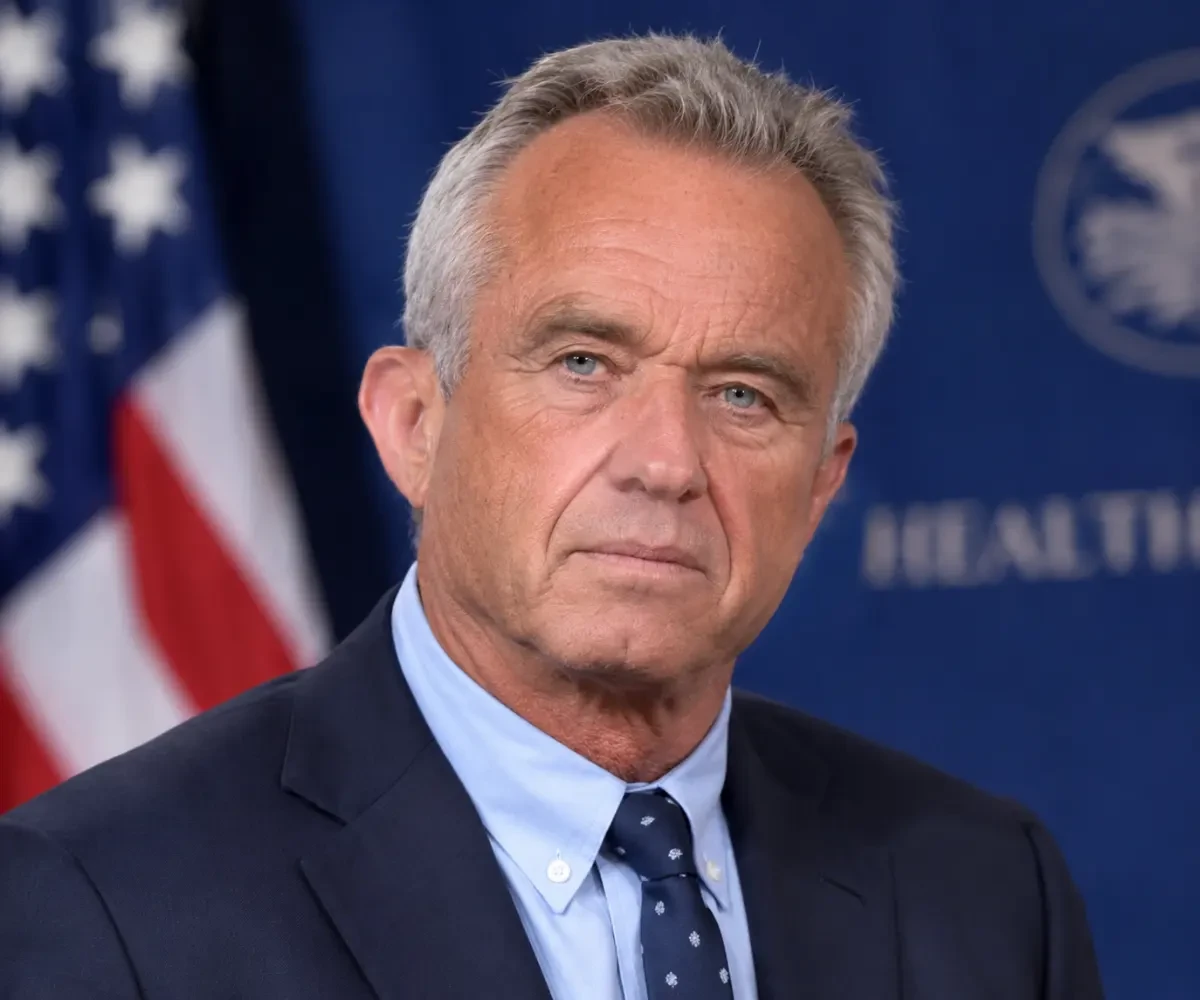
The U.S. Health Secretary Robert F. Kennedy Jr. sparked controversy this week when he suggested that artificial intelligence could offer patients a second opinion more informed than any individual doctor in the country.
In remarks reported by MedPage Today, Kennedy stated, “It can give you a second opinion that is much better informed than any doctor in the country.” His comments came amid growing interest in AI’s potential to augment, or even replace, traditional medical advice.
The secretary’s remarks follow a broader conversation about AI’s role in healthcare, where tools are increasingly used to analyze patient data, assist in diagnostics, and even recommend treatments. While AI systems are not yet capable of fully replacing clinical judgment, their ability to process vast amounts of medical literature and patient records has raised questions about their reliability and ethical implications.
Kennedy’s comments were not the only AI related discussion this week. Stephanie Carlton of the Centers for Medicare & Medicaid Services (CMS) highlighted AI’s potential to enhance preventive care during Medicare annual wellness visits, calling it “a huge opportunity for AI.” Such visits, which assess patients’ health risks and recommend preventive measures, could benefit from AI driven insights to improve accuracy and personalization.
However, not all AI applications in medicine have been met with equal enthusiasm. Researchers at the University of Bologna in Italy presented findings suggesting that users of GLP 1 medications, commonly prescribed for diabetes and obesity, may experience a higher likelihood of nail detachment, a condition known as onycholysis. According to Bianca Maria Piraccini, MD, PhD, this side effect is “quite unusual because onycholysis cannot be related to weight loss,” a key benefit of these drugs. The discovery underscores the need for ongoing monitoring and patient education regarding potential, less common side effects.
Beyond medication related concerns, experts warned about emerging health risks tied to environmental factors. Jonathan Oliver, PhD, of the University of Minnesota, described the behavior of lone star tick larvae as “tick bombs,” emphasizing their aggressive swarming tendencies and the potential for bites to spread diseases like ehrlichiosis and tularemia. His warning comes as tick borne illnesses continue to rise across the U.S.
Meanwhile, the rapid expansion of AI tools in research has also drawn scrutiny. Gideon Meyerowitz Katz, PhD, of the University of Sydney, criticized an AI powered “Research Boot Camp” that promises to produce a journal ready manuscript in a single weekend. He called the claim “like me guaranteeing that you’ll be able to apply for American Ninja Warrior after a 2 day fitness camp, I’m not guaranteeing anything of actual value.” His remarks highlight concerns about the hype surrounding AI’s ability to streamline academic publishing without ensuring rigor or ethical standards.
In oncology, discussions centered on treating elderly or frail patients with diffuse large B cell lymphoma. Pallawi Torka, MD, of Memorial Sloan Kettering Cancer Center, noted that “age is just a number” when considering treatment options, though she acknowledged the complexities of balancing aggressive therapies with patients’ overall health and quality of life.
Elsewhere, researchers and clinicians shared insights into lesser known but critical health issues. Rupa Wong, MD, of the Honolulu Eye Clinic, warned that severe myopia, commonly referred to as nearsightedness, is more than just a vision problem. It has been linked to increased risks for cataracts, glaucoma, and other eye conditions, prompting calls to formally classify myopia as a disease. Wong emphasized that “it’s not just about wearing thicker glasses,” underscoring the need for comprehensive eye care strategies.
Norman Saffra, MD, of Albert Einstein College of Medicine, shared a case study illustrating how uncommon presentations of common diseases can sometimes outnumber rare presentations. In his example, a routine strep infection in an adult triggered a rare eye condition, highlighting the importance of clinicians remaining vigilant for atypical symptoms.
These discussions reflect a broader trend: as AI and other technological advancements reshape healthcare, clinicians and policymakers must navigate the balance between innovation and patient safety. Kennedy’s remarks, while provocative, underscore the need for transparency and evidence based trust in AI systems, especially when they are positioned as alternatives to human expertise.




DISCUSSION (0)