
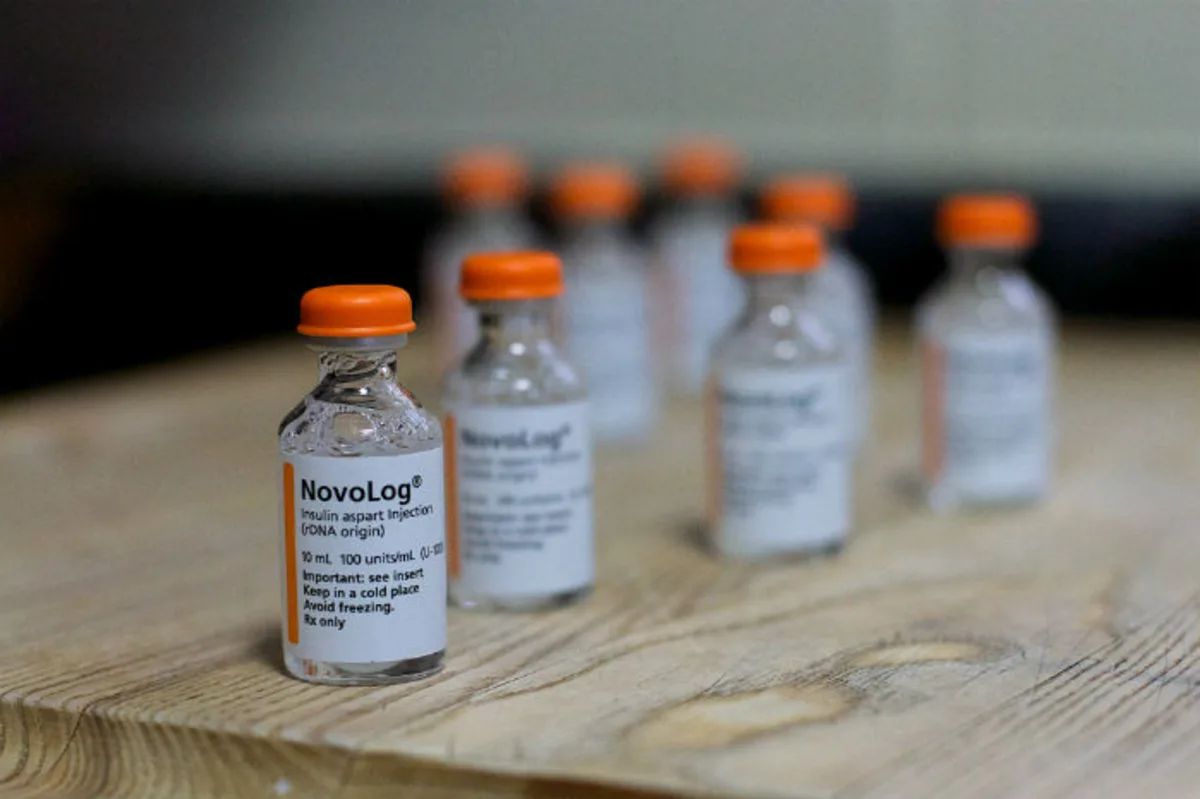
A century after its groundbreaking discovery, insulin, the hormone that transformed diabetes from a near certain death sentence into a manageable chronic condition, remains inaccessible to millions who depend on it for survival. Despite the ethical gesture of its original inventors, who sold the patent for a symbolic dollar to ensure broad access, systemic barriers continue to deny this vital medication to those who need it most.
Insulin, first synthesized in 1921 and clinically introduced in 1922, revolutionized care for diabetes by regulating blood sugar levels. Produced by beta cells in the pancreas, it allows glucose to enter cells, preventing dangerous spikes in blood sugar. Without insulin, type 1 diabetes, characterized by the body’s inability to produce the hormone, is fatal. Even type 2 diabetes, where insulin resistance or beta cell failure complicates regulation, often requires insulin to prevent severe complications, including heart disease, stroke, kidney failure, and vision loss.
The stakes are staggering: an estimated *9 million people with type 1 diabetes and 63 million with type 2 diabetes rely on insulin globally. Yet, access remains woefully inadequate. Only half of people with type 2 diabetes worldwide receive the insulin they need, and in Africa, the figure plummets to one in seven. The crisis has even reached high income nations, where 16.5% of insulin dependent patients in the U.S. report rationing doses due to cost, delaying injections or skipping them entirely to stretch supplies.
The problem is not a lack of solutions but a failure of policy and equity. The World Health Organization (WHO) has repeatedly underscored insulin’s critical role in diabetes management, yet progress has stalled. At the 4th UN General Assembly on Noncommunicable Diseases (NCDs) in 2025, leaders reiterated the urgency of government intervention to ensure universal access. Without coordinated action, from subsidized pricing to expanded healthcare infrastructure, the gap will persist, leaving millions at risk of preventable suffering and death.
The irony is particularly sharp: insulin’s original inventors, Frederick Banting, Charles Best, John Macleod, and James Collip, were awarded the Nobel Prize in Physiology or Medicine in 1923, the fastest ever recognition for a medical breakthrough. A century later, their legacy hangs in balance, not by scientific failure but by systemic neglect.
Closing this gap demands more than awareness; it requires sustained political will, equitable healthcare financing, and global cooperation to treat insulin as the essential medicine it is*, not a luxury reserved for those who can afford it.








DISCUSSION (0)