
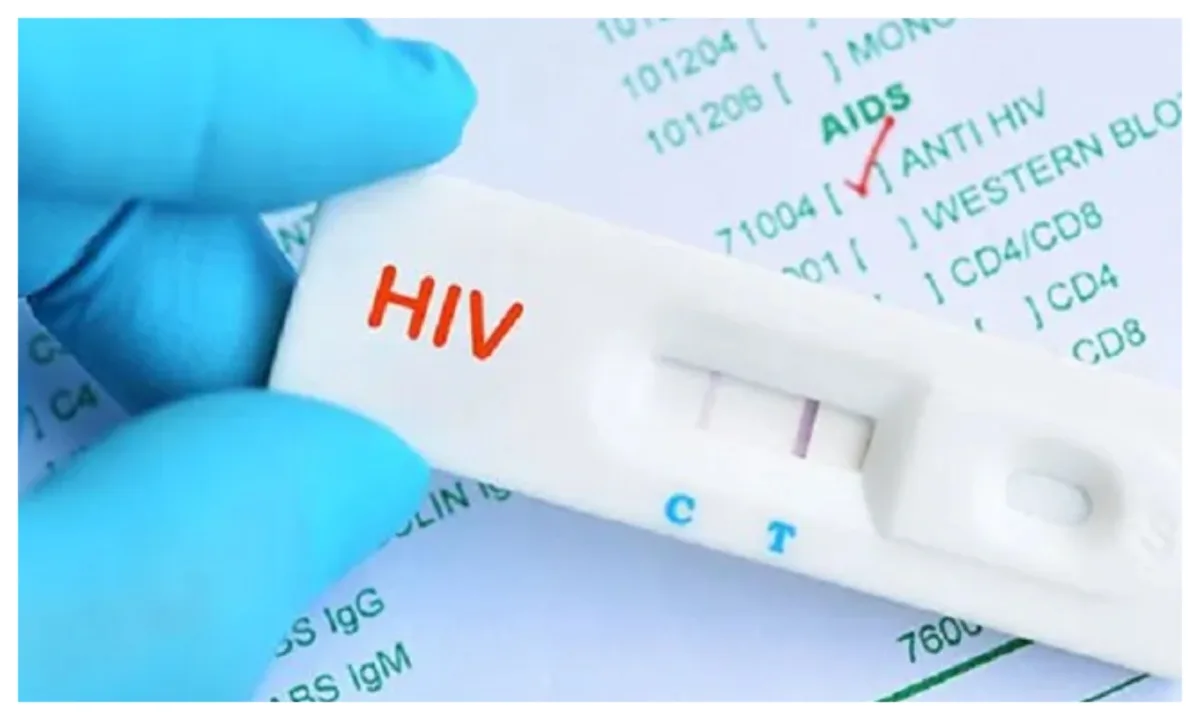
The Lagos State AIDS Control Agency (LSACA) has clarified that the reported 10,430 HIV diagnoses in 2025 stem from expanded testing efforts rather than a surge in new infections, addressing public concern over the state’s HIV burden.
The clarification follows media reports referencing the Federal Ministry of Health and Social Welfare’s State of the Health of the Nation Report 2025, which highlighted Lagos as a state with a high HIV case load. However, LSACA emphasized that the figures do not indicate a sudden spike in new infections but rather reflect improved case detection through widespread testing initiatives.
LSACA explained that many of the 10,430 individuals identified in 2025 were previously undiagnosed, living with HIV for years before seeking testing. The agency attributed the higher numbers to Lagos’ status as Nigeria’s commercial hub, drawing a diverse population, including residents, workers, students, and visitors, who utilize the state’s robust HIV testing and treatment services. The agency also noted that Lagos operates one of the country’s most advanced HIV surveillance systems, enabling earlier identification of undiagnosed cases.
‘The 10,430 cases represent individuals diagnosed through expanded testing, not new infections,’ the agency stated. ‘As testing services grow and more people access care, previously unknown cases are being recorded.’ LSACA stressed that the data instead demonstrates the state’s strengthened HIV response, including better access to prevention, treatment, and support services.
In a statement, LSACA reassured the public that Lagos’ HIV response framework remains effective, with ongoing collaboration between the federal government, development partners, civil society, and healthcare providers. The agency urged residents to avoid stigma and misinformation, reinforcing that HIV is preventable, treatable, and manageable with early diagnosis and consistent treatment.
LSACA encouraged regular HIV testing, safer sexual practices, and adherence to antiretroviral therapy for those living with the virus. The agency reaffirmed its commitment to ending the HIV epidemic in Lagos through evidence based interventions, community engagement, and strengthened partnerships.
The clarification comes as part of broader efforts to ensure accurate public health communication, particularly in a state where high testing demand naturally yields higher case counts.








DISCUSSION (0)