
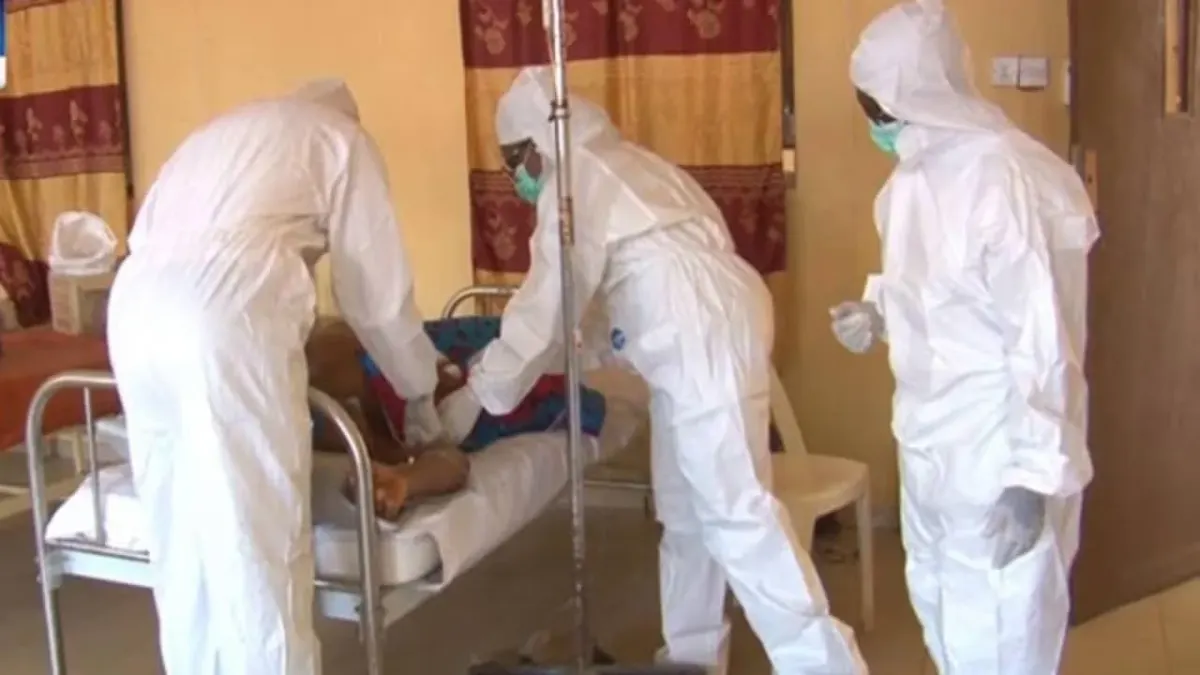
The death of a medical doctor from Lassa fever in Benue State has reignited public health concerns and prompted emergency response measures after the virus was confirmed too late for effective treatment. Dr. Vitalis Tersoo Azever, a staff member of APIN Public Health Initiatives in Konshisha Local Government Area, succumbed to complications from the disease at Jos University Teaching Hospital (JUTH) in Plateau State, where he had been treated for over two weeks before testing positive.
The delay in diagnosis was critical. According to Benue State Commissioner for Health and Human Services, Dr. Paul Ogwuche, Dr. Azever initially managed his symptoms at home and in a private facility for more than two weeks before a friend suspected Lassa fever and conducted a test. By then, his kidneys had already been severely affected, necessitating urgent referral to JUTH. The state had previously been on the verge of declaring the outbreak over after completing the standard 42 day incubation period, only for this new case to emerge, disrupting the progress.
Ogwuche confirmed that Dr. Azever was the only confirmed case in the state as of Monday, June 22, 2026, and his remains were handled by the Benue State Government’s Safe Burial Team before burial in his hometown. The health ministry has since intensified surveillance across all health facilities, launched case and contact tracing, and ramped up public awareness campaigns through media, religious institutions, and traditional leaders, key community gatekeepers, to curb further transmission.
The outbreak follows the recent death of another young doctor, Dr. Cedric Tyoor Kondom, who died from bone marrow failure at the same hospital just 48 hours prior. Kondom, a recent medical graduate awaiting his official induction, was set to begin practice in 11 days. His death, along with Dr. Azever’s, has deepened grief within Nigeria’s medical community and underscored systemic vulnerabilities in healthcare delivery.
Dr. Msonter Anzaa, President of the Moses Orshio Adasu University Medical Alumni Association, described the losses as devastating. He announced a seven day mourning period and declared the third week of June as the association’s Annual Week of Remembrance, honoring fallen colleagues. Anzaa also criticized persistent shortcomings in Nigeria’s healthcare system, calling for urgent reforms to prevent such tragedies in the future.
According to the World Health Organization, Lassa fever is a viral hemorrhagic fever endemic to West Africa, transmitted through contact with rodent urine or feces. Symptoms include fever, headache, fatigue, and in severe cases, organ failure. Early diagnosis and supportive care can significantly improve survival rates, but delays, like those experienced by Dr. Azever, often lead to fatal outcomes. The Benue State Government has now extended its monitoring period to another 42 days, a standard incubation period for the virus, before reconsidering the outbreak’s status.
The deaths highlight the ongoing challenge of containing Lassa fever in Nigeria, where outbreaks frequently emerge in rural and underserved areas with limited healthcare infrastructure. Public health experts warn that without sustained vigilance, improved diagnostic capacity, and stronger community engagement, such cases may continue to disrupt medical services and claim more lives.








DISCUSSION (0)