
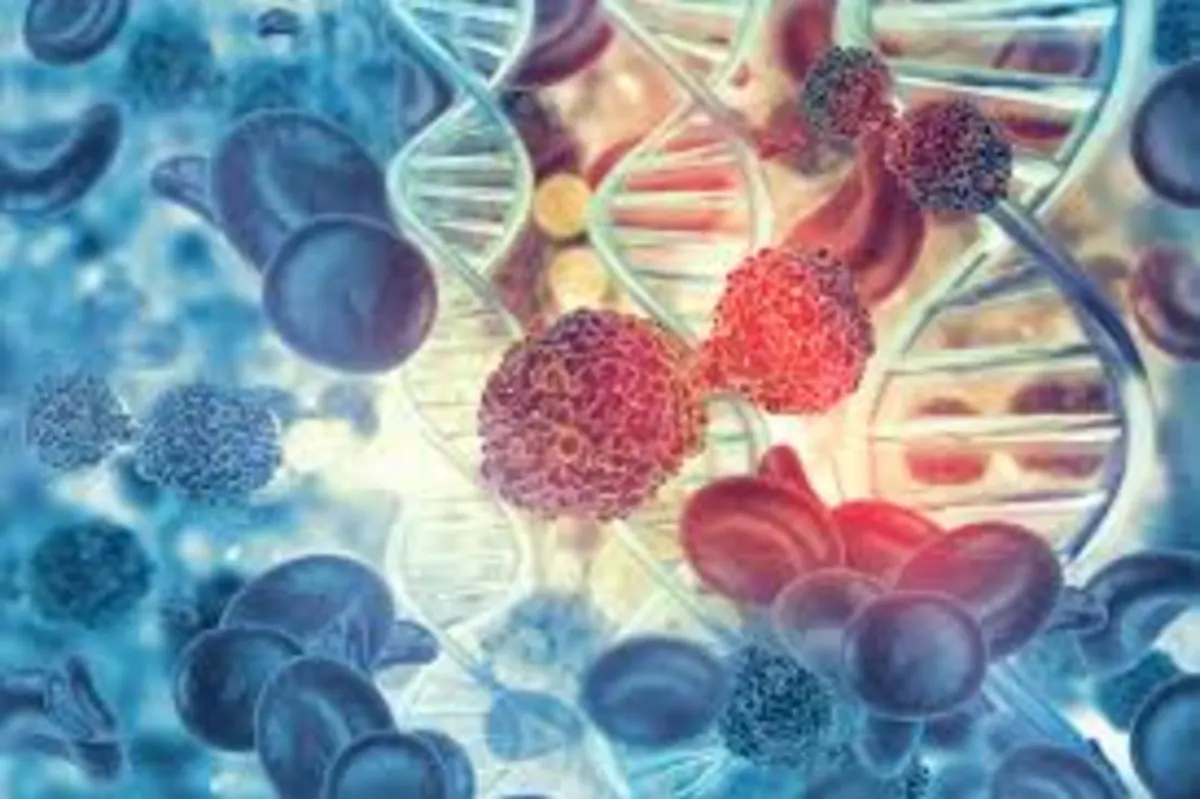
A groundbreaking study from Hokkaido University has uncovered why some cells with duplicated DNA, normally destined for destruction, can persist and survive, a discovery with profound implications for cancer biology and the aging process.
The process of cell division is one of biology’s most precise mechanisms, ensuring each new cell receives an identical genetic blueprint. Yet when errors occur, particularly when DNA is duplicated but the cell fails to split properly, the result is a cell containing twice the normal amount of genetic material, a condition known as whole genome duplication (WGD). While scientists have long recognized WGD as a hallmark of cancer and degenerative diseases, the new research reveals that not all such errors are created equal.
The team, led by Associate Professor Ryota Uehara, identified two distinct pathways through which WGD can occur: cytokinesis failure and mitotic slippage. In cytokinesis failure, the cell completes nearly all stages of division but collapses at the final step, physical separation into two daughter cells. In mitotic slippage, the cell exits division prematurely before its chromosomes are properly segregated.
Using advanced live cell imaging and chromosome specific labeling, the researchers tracked the fate of cells undergoing these two distinct failures. The results were striking: cells arising from cytokinesis failure were far more stable and had a significantly higher chance of survival. In contrast, cells produced through mitotic slippage often exhibited severe genetic imbalance due to uneven chromosome distribution, drastically reducing their viability.
The critical difference, the study found, lies in chromosome organization. In cytokinesis failure, chromosomes remain relatively balanced, allowing the abnormal cell to persist. In mitotic slippage, however, chromosomes are frequently divided unevenly, creating lethal genetic instability. When the team artificially corrected chromosome separation in mitotic slippage cells, survival rates improved dramatically.
These findings carry major implications for cancer research. Whole genome duplication is a common feature of tumor cells, and some cancer therapies inadvertently trigger WGD, potentially fueling tumor recurrence. The study suggests that targeting the mechanisms underlying chromosome separation could help prevent the survival of these genetically unstable cells, offering a new avenue for therapeutic intervention.
Beyond cancer, the research provides deeper insights into aging and degenerative diseases, where WGD is increasingly linked to cellular dysfunction. Understanding why some cells survive while others do not could help unravel the biological underpinnings of longevity and disease resistance.
The study, published in a peer reviewed scientific journal, marks a significant step forward in decoding the molecular logic behind cell survival and failure, a logic that may one day inform more precise treatments for cancer and age related disorders.







DISCUSSION (0)