
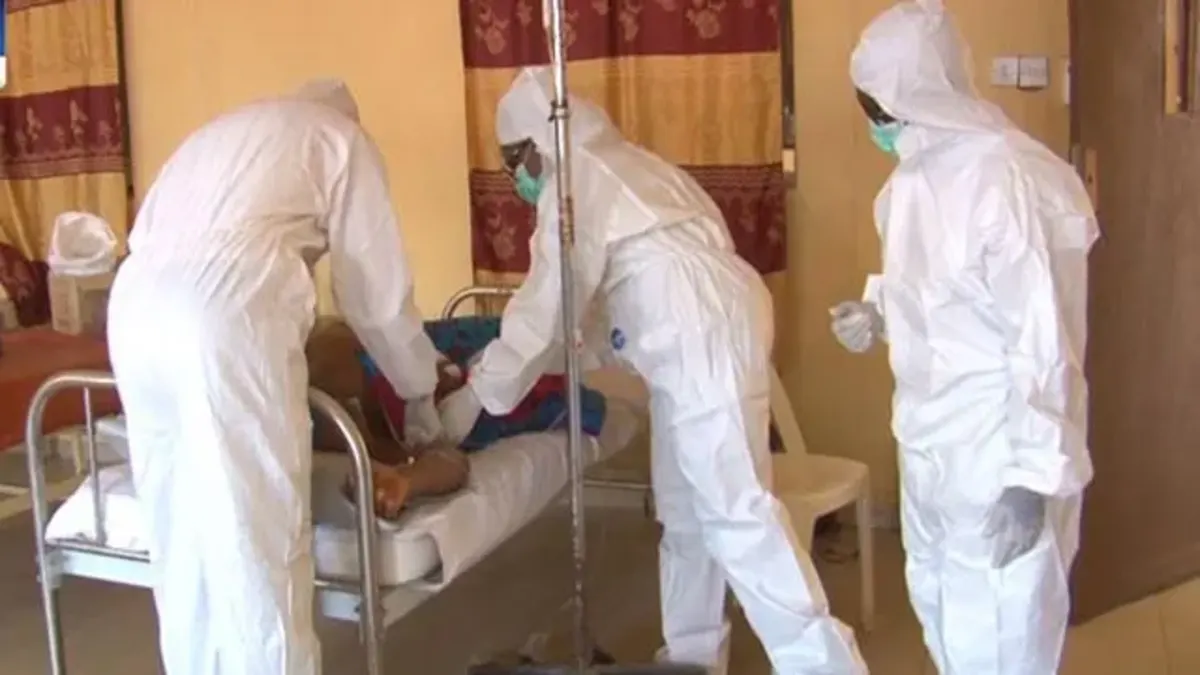
The death toll from Lassa fever in Nigeria has reached *191 in 2026, with 776 confirmed cases reported across 23 states and over 100 local government areas, according to the Nigeria Centre for Disease Control and Prevention (NCDC). The outbreak, driven by delayed medical care, has exposed critical gaps in early detection and treatment, resulting in preventable deaths.
The NCDC has identified late presentation of patients as the primary factor behind the rising fatality rate. Many individuals arrive at healthcare facilities too late for effective intervention, a trend that has persisted despite repeated warnings from public health officials. The Case Fatality Rate (CFR) remains a stark reminder that timely medical attention could significantly reduce mortality. The most affected age group is 21, 30, though cases have been reported across all ages, from one to 90 years, with a median age of 30.
Lassa fever, an acute viral illness with an incubation period of six to 21 days, begins with non specific symptoms, fever, weakness, headache, sore throat, chest pain, nausea, and sometimes bleeding from the mouth. Its gradual onset and variable symptoms often delay diagnosis, complicating early treatment. The World Health Organization (WHO) has previously linked recurrent outbreaks in Nigeria to weakened surveillance systems and limited laboratory testing capacity, exacerbating the challenge of containment.
Health officials emphasize that early detection and prompt treatment remain critical to survival. However, experts warn that preventive measures, such as covering food, practicing hand hygiene, clearing bush around homes, and avoiding rat exposure, have not been effectively enforced. The virus, first identified in Borno State in 1969, continues to pose a persistent threat, with frequent outbreaks in recent years.
To curb the spread, the NCDC and state health authorities must strengthen infection control protocols, enhance community awareness, and improve access to diagnostic testing. Without urgent intervention, the preventable loss of life will persist, reinforcing the need for coordinated, long term strategies* to eliminate Lassa fever as a major public health burden.








DISCUSSION (0)