
The Nigerian Federal Government has officially launched two new Veterinary Primary Health Centres in Lagos and Ogun states, marking a significant step toward improving livestock disease prevention and healthcare access for farmers nationwide.
The centres, located in Epe, Lagos, and Ijebu Igbo, Ogun State, are part of a broader initiative by the Federal Ministry of Livestock Development to establish a total of 774 such facilities across all local government areas in the country. The goal is to bring essential veterinary services closer to livestock farmers, particularly those in rural and underserved communities.
At the inauguration ceremony in Epe, Dr. Alao Mitchell, Director of Animal Health and Reproductive Services, emphasized that the initiative aims to enhance disease surveillance, prevention, and control while boosting livestock productivity. The ministerial representative highlighted the direct link between improved animal health and national food security, noting that smallholder farmers, who often lack access to veterinary care, will benefit most from these new facilities.
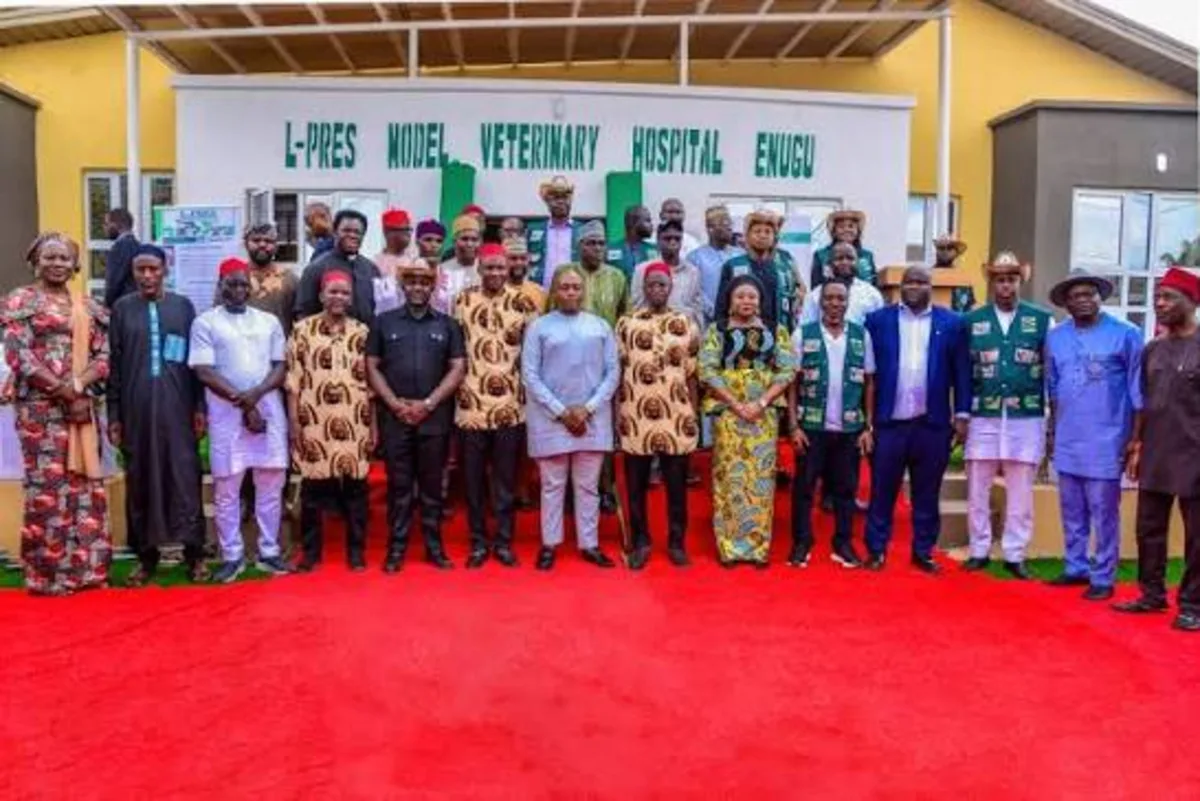
The program is being implemented in phases, with seven out of 21 planned model veterinary hospitals already completed in states including Sokoto, Niger, Enugu, Ondo, Borno, Adamawa, and Edo. An additional 14 centres are currently under construction. To ensure sustainability, the government is collaborating with state authorities and private sector partners under a Public Private Partnership (PPP) framework.
Henrietta Okokon, Deputy Director of Information and Public Relations in the ministry, stated that the initiative is designed to serve over 450,000 livestock value chain clusters within its first two years. The centres will provide affordable veterinary services, including disease diagnosis, vaccination, and reproductive health support, addressing critical gaps in rural livestock management.
Experts note that such infrastructure is vital for mitigating outbreaks of zoonotic diseases, illnesses that can spread from animals to humans, and reducing economic losses for farmers. With Nigeria’s livestock sector contributing significantly to agricultural output, the expansion of veterinary services is expected to strengthen both public health and economic resilience.
The launch follows a national strategy to integrate veterinary healthcare into rural development, aligning with broader efforts to improve agricultural productivity and food system sustainability in Africa.








DISCUSSION (0)