
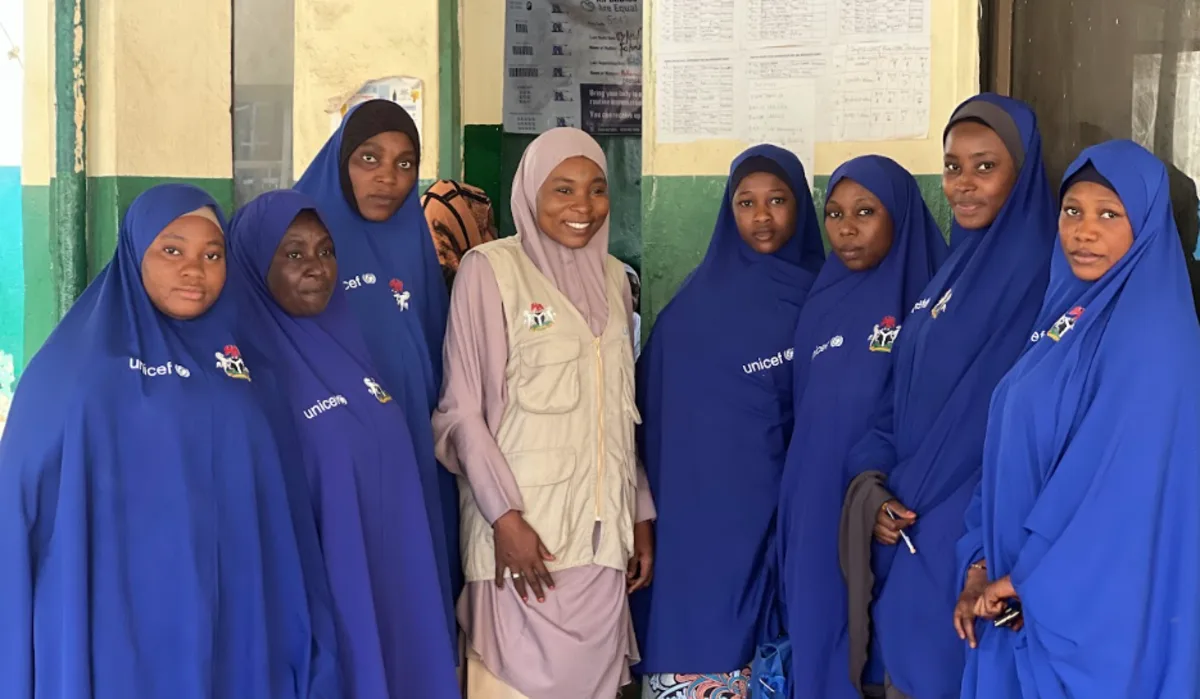
In the heart of Sokoto State, Nigeria, a quiet but determined force of volunteer mobilizers, traditional leaders, and health workers is reshaping the battle against polio. Their mission: to track down unvaccinated children and dismantle vaccine hesitancy in communities where the circulating vaccine derived poliovirus type 2 (cVDPV2) continues to spread.
The stakes are high. While Nigeria was declared polio free in 2020, the cVDPV2, a strain linked to low herd immunity, has surged in northern states like Sokoto, Kebbi, and Zamfara. Last year alone, Sokoto recorded at least 20 confirmed cases of cVDPV2, with six emerging in Kajiji ward of Shagari Local Government Area. The virus thrives where routine immunization coverage is weak, and misinformation lingers.
The human cost is stark. Take the case of Karima, a young girl whose once straight legs now limp due to cVDPV2. By the time her condition was detected, her vaccination records showed gaps in essential immunizations. Her father, Muhammad Nasiru, insisted his family had complied with vaccinations, but community sources revealed a deeper truth: his household had long resisted immunization efforts. Such resistance, fueled by distrust and misinformation, remains the primary obstacle to eradicating polio in Sokoto.
Bashar Garba, Sokoto State’s Immunization Officer, underscored the challenge: "Vaccine hesitancy is most pronounced in metropolitan areas like Sokoto North, Sokoto South, and Wamakko LGAs." These zones have the highest rates of non compliance, with some wards, like Arkilla in Wamakko, emerging as hotspots for rejection. The consequences are measurable: last year’s outbreak left families like Karima’s grappling with irreversible paralysis.
Yet, hope lies in the resilience of grassroots efforts. Volunteer Community Mobilizers (VCMs), employed by UNICEF, work alongside traditional rulers and health providers to bridge gaps. In Shagari LGA, routine immunization outreaches have doubled, from once to twice weekly, to reach children in over 200 settlements. Abdullahi Liman, an RI provider at PHC Kajiji, explained the shift: "We now visit communities more frequently to ensure no child is left behind."
The strategy combines outreach with community trust. Health workers collaborate with local leaders to address concerns, sometimes setting up mobile clinics in areas where resistance is strongest. However, challenges remain. Manpower shortages persist, though the state government is addressing them by deploying newly hired health workers to underserved centers.
As Sokoto’s frontline workers push forward, their efforts highlight a critical lesson: eradicating polio requires more than vaccines, it demands trust, persistence, and a commitment to reaching every child, no matter where they live. The fight continues, but the tide may finally be turning.








DISCUSSION (0)