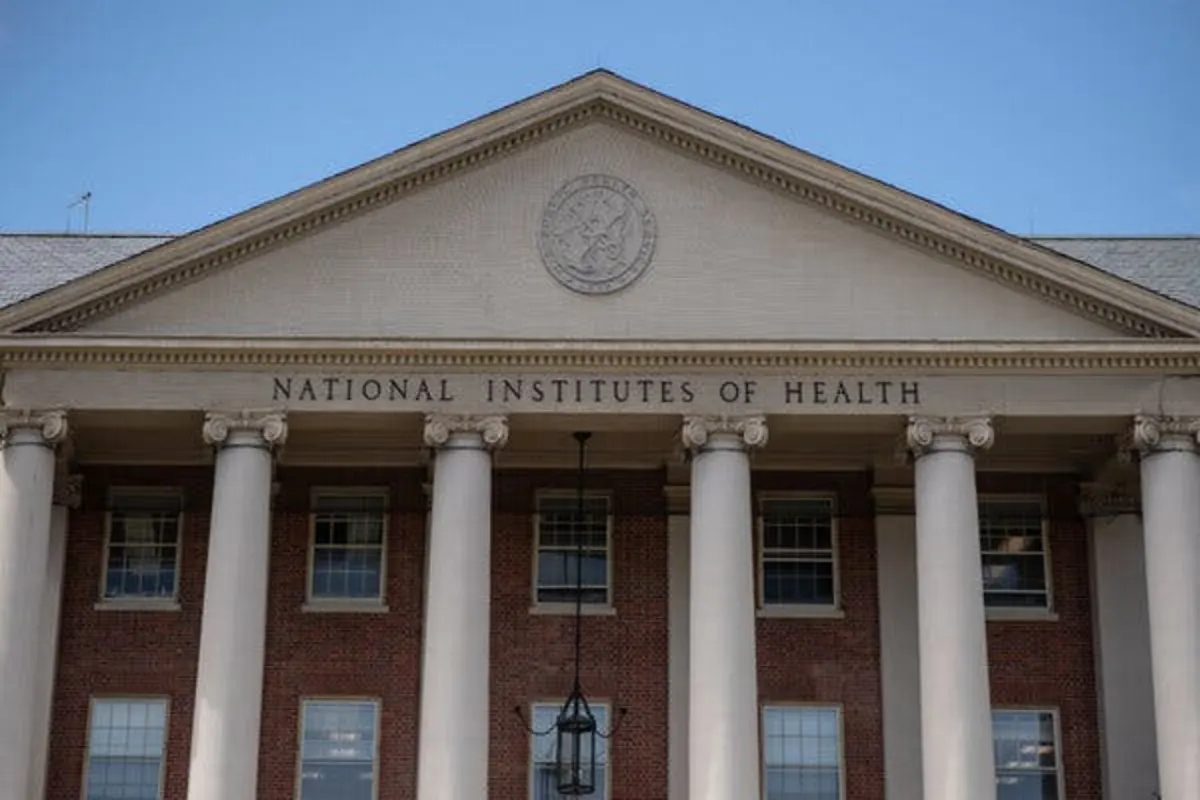
The National Institutes of Health (NIH) has allocated an additional $13.3 million to a groundbreaking study investigating how wartime trauma influences brain health and cognitive aging in Vietnamese American communities, a population deeply affected by the late 1970s and early 1980s conflicts.
Led by researchers at UC Davis, the Vietnamese Insights into Cognitive Aging Program (VIP) has followed over 500 Vietnamese American adults aged 65 and older, documenting the lasting psychological and neurological effects of displacement, violence, and immigration. The latest findings, published in International Psychogeriatrics, suggest that resilience, defined by participants as faith, family bonds, and adaptive coping, may act as a protective factor against late life depression, even in the face of profound adversity.
The study’s senior author, Dr. Oanh Meyer of UC Davis Health’s Department of Neurology, emphasized the urgency of understanding these dynamics as dementia rates rise globally. "We know adversity is a shared experience, but for Vietnamese Americans, war trauma is a defining chapter," Meyer said. "Our work seeks to uncover how these experiences shape not just mental health, but the very structure of aging brains."
Participants in the study recounted harrowing accounts of fleeing conflict, prolonged hunger, imprisonment, and separation from loved ones, memories that often resurface with emotional weight. Yet their narratives also revealed resilience in the form of communal support, cultural traditions, and a determination to rebuild. The 2026 analysis of 511 individuals revealed a critical insight: resilience appeared to moderate the link between early trauma and later life depression symptoms, suggesting it may buffer the psychological toll of painful memories.
"This doesn’t erase the trauma," explained co lead author Uyen Vu, "but it shows how psychological strength can significantly ease the burden of those memories over time." The findings underscore a broader shift in aging research, which increasingly recognizes that cognitive decline is shaped not only by genetics but by lifelong experiences, from education and stress to social connections and trauma.
For clinicians, the study’s implications are practical. Meyer noted that trauma informed care should extend beyond asking, 'What happened to you?' to also explore 'What helped you endure?' and 'What sustains you now?', questions that could inform interventions for older adults carrying the weight of historical trauma.
The research aligns with growing recognition of how cultural and historical context influences mental health outcomes. As the Vietnamese American population ages, these insights may offer a model for supporting resilience in other trauma exposed communities worldwide.








DISCUSSION (0)