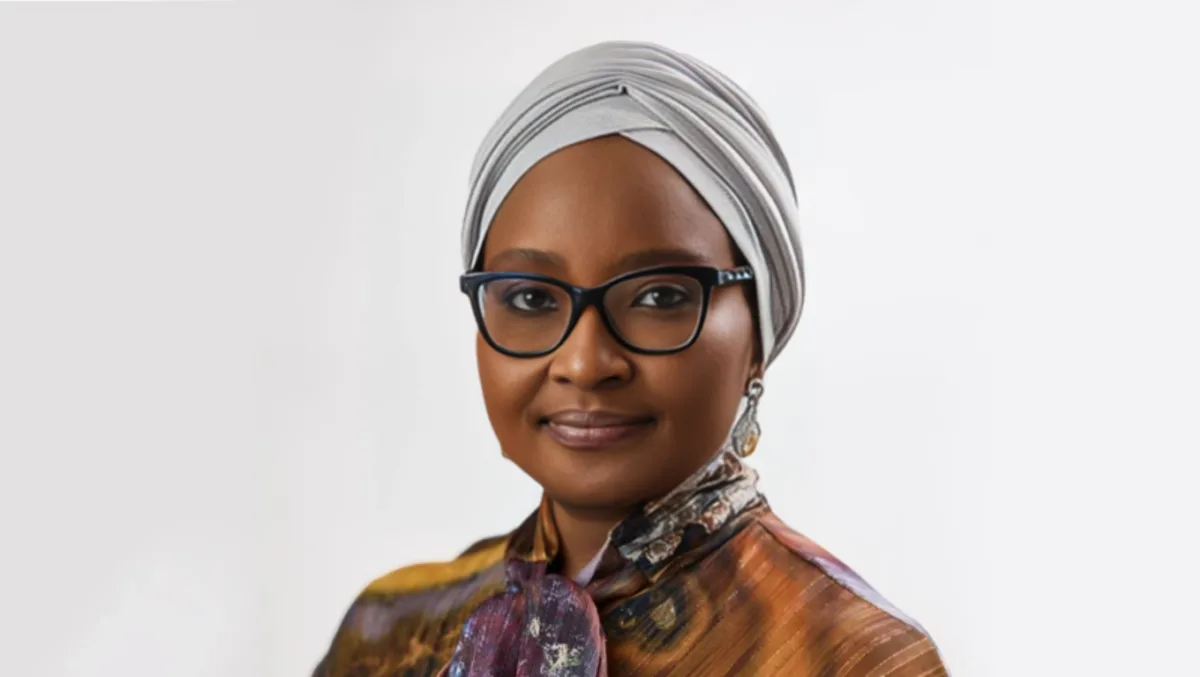
The fight against cancer in Nigeria has taken a pivotal turn, thanks in large part to the relentless advocacy of Dr. Zainab Shinkafi Bagudu, a physician, cancer survivor, and one of the country’s most influential public health communicators. Over the past six years, her partnership with Nigeria Health Watch has redefined how critical health issues are framed and addressed, particularly in a region where cancer remains underdiagnosed and undertreated.
Dr. Bagudu’s journey began not as an advocate but as a patient. Diagnosed with breast cancer in 2017, she underwent treatment in the United States before returning to Nigeria to continue her medical career. That experience, she says, sharpened her understanding of the systemic barriers, ranging from delayed diagnoses to limited access to specialized care, that plague cancer survivors across the country. “I saw firsthand how lack of information and misconceptions about cancer could delay treatment and worsen outcomes,” she told Nigeria Health Watch in an interview.
Her collaboration with the organization has since focused on bridging that gap. Nigeria Health Watch, a health advocacy group, has leveraged data driven storytelling to cut through the noise of public health misinformation. By partnering with institutions like the World Health Organization and local health ministries, they have produced reports that highlight Nigeria’s cancer burden, particularly in high risk states like Lagos, Kano, and Rivers, where screening rates remain alarmingly low.
The organization’s approach is rooted in transparency. Instead of relying on anecdotal evidence, they compile and analyze data from national cancer registries, hospital records, and community surveys. This method ensures that policy discussions are grounded in reality, not speculation. For instance, their 2023 report on breast cancer incidence in Nigeria revealed that nearly 60% of cases were diagnosed at late stages, a statistic that has since become a rallying point for public health campaigns.
Dr. Bagudu emphasizes that effective advocacy requires more than just raising awareness, it demands actionable change. Through workshops, digital campaigns, and partnerships with healthcare providers, Nigeria Health Watch has trained community health workers to identify early warning signs of cancer. In rural areas, where access to hospitals is limited, these workers now serve as the first line of defense, referring patients for timely screenings.
Yet, the road ahead remains challenging. Nigeria’s healthcare infrastructure is strained, and funding for cancer treatment programs is inconsistent. Dr. Bagudu acknowledges these hurdles but remains optimistic. “We are not just talking about cancer anymore,” she says. “We are building systems that can sustain prevention, early detection, and treatment for generations to come.”
Her work underscores a broader truth: in public health, communication is as vital as cure. By turning data into narratives that resonate with communities, advocates like Dr. Bagudu are not only saving lives today, they are shaping a healthier future for Nigeria.








DISCUSSION (0)