
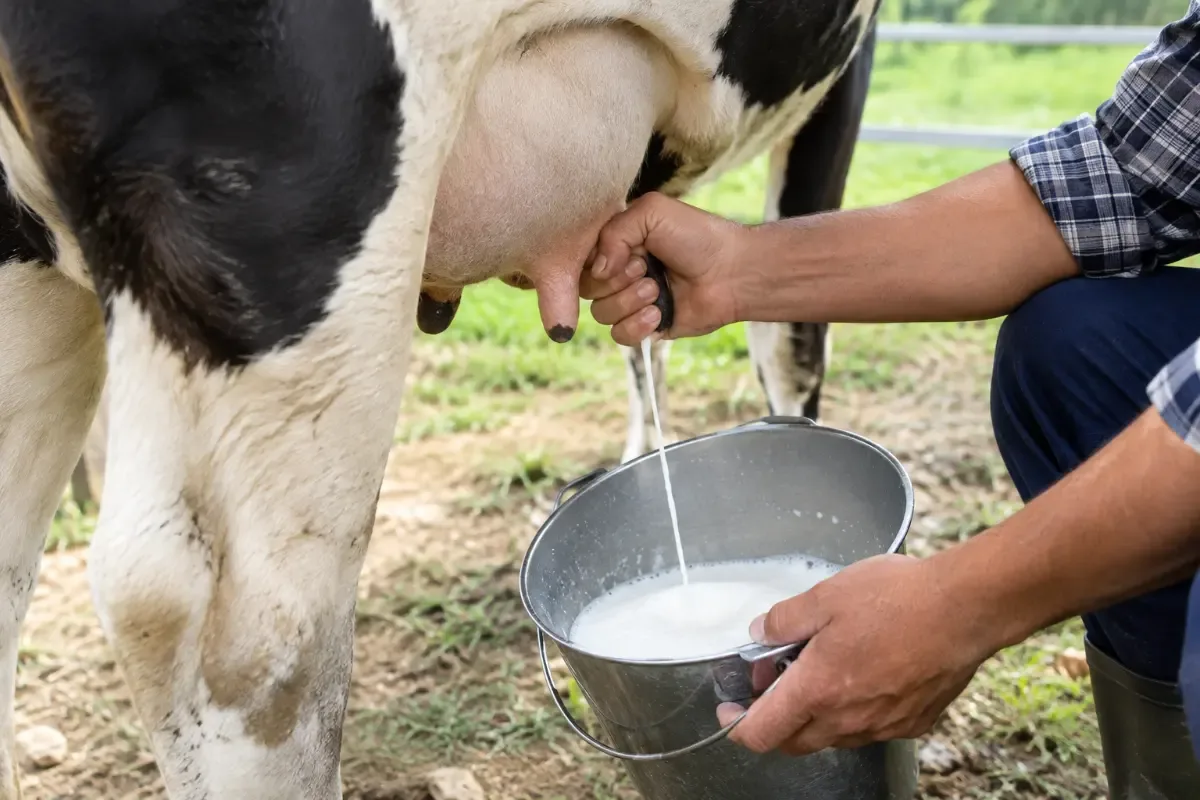
The American Academy of Pediatrics has called for a nationwide ban on the sale of raw milk in the United States, citing a surge in disease outbreaks linked to the unpasteurized product. As raw milk consumption grows, fueled by influencer promotion, skepticism of government regulation, and perceived health benefits, public health officials warn of rising risks, particularly for children.
In recent years, the raw milk industry has seen record growth, with sales increasing by 17.6% in 2024 alone, according to market research firm Circana. Advocates, including some high profile figures like former US health secretary Robert F. Kennedy Jr., have long promoted raw milk as a healthier alternative to pasteurized dairy, claiming it offers benefits like reduced lactose intolerance and strengthened immunity. However, the Food and Drug Administration (FDA) and public health experts have repeatedly dismissed these claims, emphasizing that pasteurization, introduced in the late 19th century, has been instrumental in reducing infant mortality and foodborne illnesses.
The push for a ban comes amid a troubling rise in outbreaks. This year alone, more than 100 people fell ill after consuming raw milk, with 11 hospitalized, according to National Public Radio. An E. coli outbreak in California, Florida, and Texas was linked to cheese from the country’s largest raw milk distributor, Raw Farm, with most victims being children under three, a demographic particularly vulnerable due to weaker immune systems.
Petra Levin, a professor of biology at Washington University, warned that while raw milk is not a guaranteed source of illness, the risk of contracting harmful pathogens is significant. “There is a relatively high likelihood that you can get a pathogen, a bacteria that will make you sick,” she said. The FDA’s 1987 ban on interstate raw milk sales was intended to mitigate such risks, though many states have since relaxed their own regulations, allowing local sales under loopholes like herd shares, where consumers purchase a share of a cow rather than milk directly.
Ben Beichler, owner of Creambrook Farm in Virginia, has seen his business thrive since the pandemic, with annual sales rising by 30% to 50%. He attributes the growth to heightened public skepticism toward government regulated food systems and a desire for perceived natural alternatives. His farm tests every batch of milk for safety and sends samples to third party labs, though he declined to name the facility. Despite his confidence in raw milk’s safety, Beichler acknowledged that consumers must exercise caution in sourcing it.
Critics argue that the perceived benefits of raw milk are overstated. A 2011 study in *Clinical & Experimental Allergy* suggested that farm milk, though not necessarily raw, might offer protection against asthma and allergies. However, the FDA noted that advocates misrepresented the findings, as the study did not distinguish between raw and pasteurized milk and relied on self reported data. The authors themselves cautioned that raw milk consumption could not be recommended as a preventive measure without further evidence.
Dr. Brian Dawes, an infectious disease specialist at Stanford University, supports the ban, emphasizing that children, who make up a disproportionate share of raw milk related illnesses, are especially vulnerable. “They have weaker immune systems and less physiological reserve, so when they get these infections, they tend to get much sicker,” he said. Dawes also highlighted the challenge of regaining public trust in traditional food safety systems, which have kept people safe for over a century.
The debate over raw milk reflects broader tensions between individual dietary choices and public health priorities. While some consumers prioritize perceived health benefits and distrust of regulation, public health officials argue that the risks, particularly for children, outweigh any potential advantages. The American Academy of Pediatrics’ call for a ban underscores the need for stronger safeguards in an era where alternative food trends continue to gain traction.








DISCUSSION (0)