
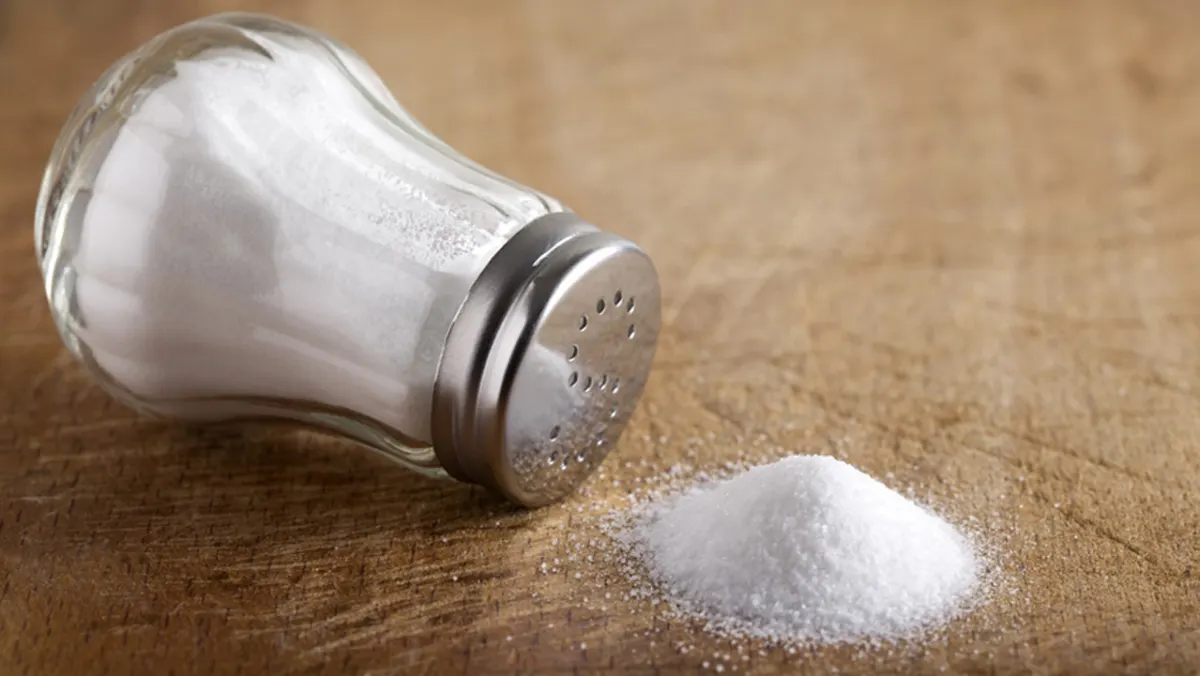
A new study of over 8,300 older adults in Brazil reveals that adding salt at the table, still a common habit, may accelerate cognitive decline and heighten cardiovascular risks, with striking differences between men and women.
The research, published in Frontiers in Public Health, found that 12.7% of men and 9.4% of women over 60 routinely add extra salt to their meals. While the World Health Organization (WHO) recommends adults limit daily salt intake to five grams, much of this excess comes from tabletop additions, contributing between 6% and 20% of total consumption. Excess salt is well linked to hypertension, heart disease, kidney damage, and faster cognitive deterioration.
Dr. Flávia Brito, lead author and associate professor at Rio de Janeiro State University, noted that men’s salt shaking behavior appeared less tied to specific dietary patterns, whereas women’s habits were strongly influenced by broader lifestyle choices. For instance, men who lived alone were 62% more likely to add salt, while those managing high blood pressure through diet were less likely to do so. Women, however, showed a more complex relationship: those not following a low salt diet for blood pressure control had 68% higher odds of adding salt, and urban dwelling women were twice as likely to do so. Conversely, frequent fruit and vegetable consumption among women reduced salt addition odds by 81% and 40%, respectively.
The study, which analyzed 24 hour dietary recall data from 2016, 2017, underscores how deeply ingrained salt habits vary by gender, geography, and diet quality. While the findings do not prove causation, they highlight a critical public health concern: even small increases in table salt could compound long term risks, particularly in aging populations where cardiovascular and cognitive health are already vulnerable.
As the WHO has warned, reducing salt intake remains one of the most effective strategies to lower global hypertension and stroke rates. For older adults, the study suggests tailored interventions, such as dietary education for women in urban areas and social support for isolated men, could help curb harmful salt habits before they take a toll on health.








DISCUSSION (0)