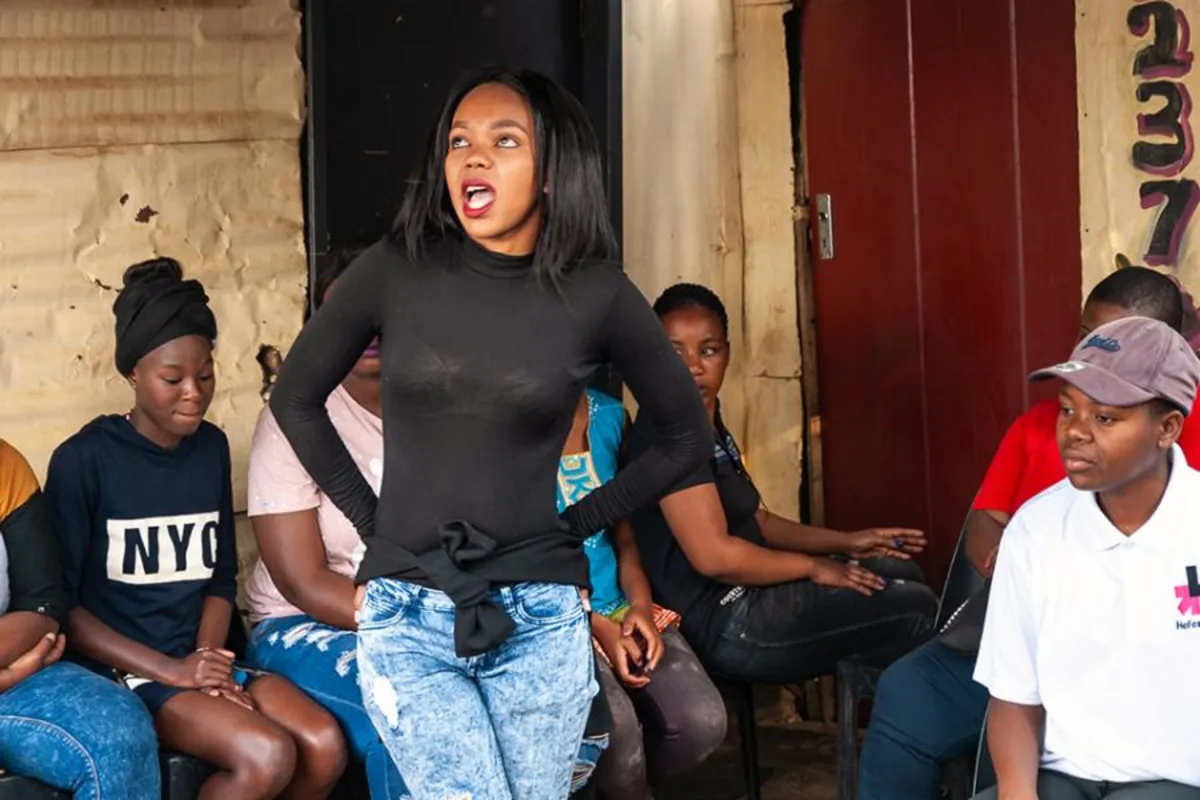
The world’s largest HIV epidemic is concentrated in South Africa, where adolescent girls and young women aged 15, 24 face a risk more than double that of their male peers. A new study published ahead of the AIDS 2026 conference in Rio de Janeiro reveals how alcohol, gender inequality, and violence create a lethal cocktail of vulnerability, reshaping prevention strategies beyond condoms and individual behavior change.
The research, part of the HERStory3 study, a post intervention evaluation of the My Journey program, examined 5,025 young women across 24 sub districts in eight provinces. The program, launched in 2016, integrates HIV testing, prevention, and treatment with education and economic empowerment to counter teenage pregnancy, gender based violence, and school dropout. Yet the findings underscore that HIV risk is not just a matter of individual choices but a product of systemic conditions.
Hazardous drinking, defined as consuming five or more alcoholic drinks in one sitting, was pervasive, with 54% of male drinkers and 35% of female drinkers reporting binge behavior. While alcohol itself did not directly correlate with HIV acquisition in this study, its role was indirect and deeply embedded in social dynamics. Telephonic interviews with 68 young women across seven provinces revealed a troubling pattern: alcohol was often exchanged in transactional relationships, where older men provided drinks in expectation of sex. These age disparate encounters, normalized in peer and community spaces, created environments where negotiation of protection, such as condom use, was nearly impossible.
The study also linked hazardous drinking to sexual violence and condomless sex, though these associations weakened when other risk factors were accounted for. This suggests that alcohol exacerbates existing vulnerabilities rather than acting as an isolated risk factor. The authors, sociocultural scientists specializing in sexual and reproductive health, emphasize that prevention efforts must address the structural barriers that enable these risks, including unequal power dynamics, economic dependence, and the normalization of violence against women.
‘HIV prevention for adolescent girls and young women cannot focus only on condoms or individual behavior change,’ the researchers state. ‘It needs to confront the conditions that make risk possible.’ The findings align with broader global trends, where gender inequality and alcohol’s role in facilitating coercive sex are recognized as critical drivers of HIV transmission. For South Africa, where 1 in 5 women aged 15, 49 live with HIV (WHO), the study calls for interventions that dismantle the interlocking systems of harm, from school based programs to community level advocacy, if the epidemic is to be meaningfully reversed.
The next steps, the authors argue, lie in scaling programs like My Journey while integrating trauma informed care, economic empowerment, and policy changes that challenge the cultural acceptance of gender based violence. Without addressing these root causes, the study warns, the epidemic’s disproportionate toll on young women will persist.








DISCUSSION (0)