
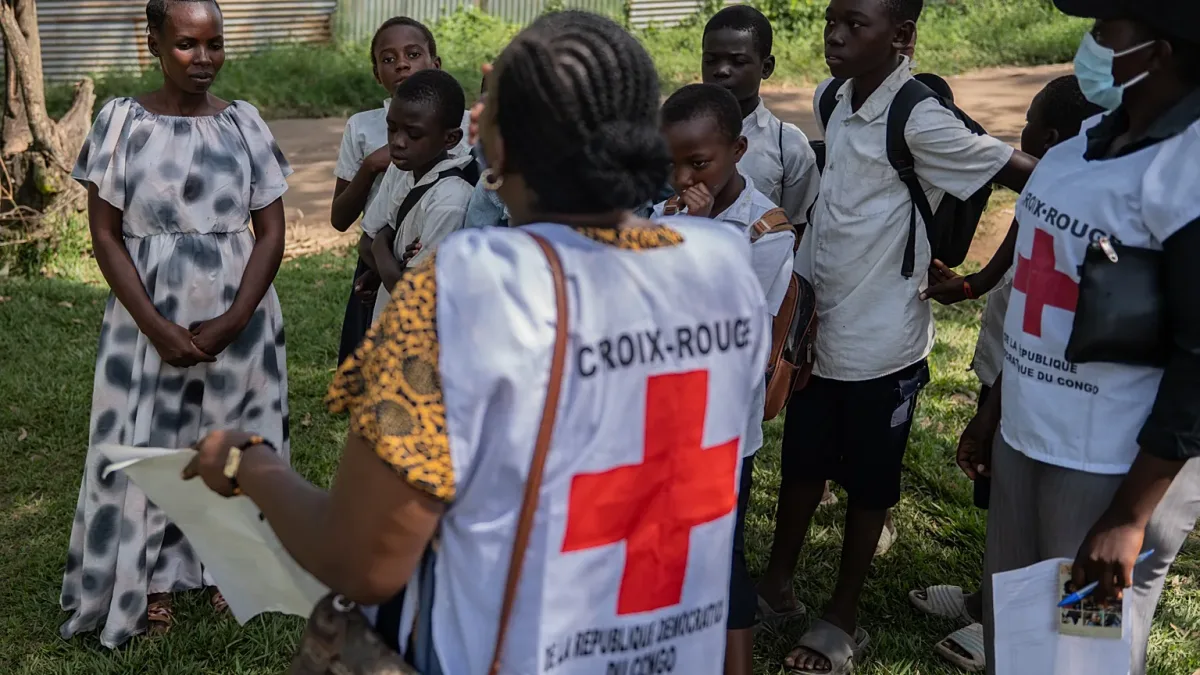
The Diocese of Tombura Yambio in South Sudan has escalated its Ebola surveillance and emergency response measures following the ongoing outbreak in the neighboring Democratic Republic of Congo (DRC). While no confirmed cases have been reported in South Sudan, the diocese is taking proactive steps to mitigate the risk of cross border transmission, which remains high due to frequent population movements across the region.
Father Charles Mbikoyo, director of the diocesan Caritas, emphasized the urgency in a statement to Fides News Agency, warning that complacency could prove catastrophic. The Health Department at St. Theresa Mission Hospital has been instructed to strengthen surveillance, early detection, and public awareness campaigns. Key measures include enhancing screening protocols at all health facilities, educating communities on Ebola symptoms, such as sudden fever, fatigue, muscle pain, vomiting, diarrhea, and unexplained bleeding, and reinforcing hygiene practices like handwashing and safe burial procedures.
The diocese is also preparing emergency response teams, ensuring isolation facilities are ready in collaboration with health authorities, and urging the public to remain vigilant without succumbing to panic. Community leaders, churches, schools, and local organizations have been mobilized to support prevention efforts, including responsible behavior and the dissemination of accurate information.
South Sudanese authorities have not reported any Ebola cases domestically, but the situation in the DRC remains severe. As of the latest data, the outbreak there has surpassed 1,000 suspected and confirmed cases, with at least 241 deaths reported. Uganda has also recorded ten confirmed cases and one death, further underscoring the regional threat.
Father Mbikoyo’s appeal to the public underscores critical preventive actions: avoiding contact with potentially infected individuals or bodies, maintaining strict hygiene, and promptly reporting unusual symptoms to health facilities. The diocese is also cautioning against the spread of misinformation, emphasizing the importance of following guidelines from the World Health Organization and local health authorities.
With the DRC’s outbreak continuing unabated, South Sudan’s proactive stance reflects broader regional concerns. The Centers for Disease Control and Prevention and WHO have classified the situation as a public health emergency of international concern, reinforcing the need for coordinated global and local responses.








DISCUSSION (0)