
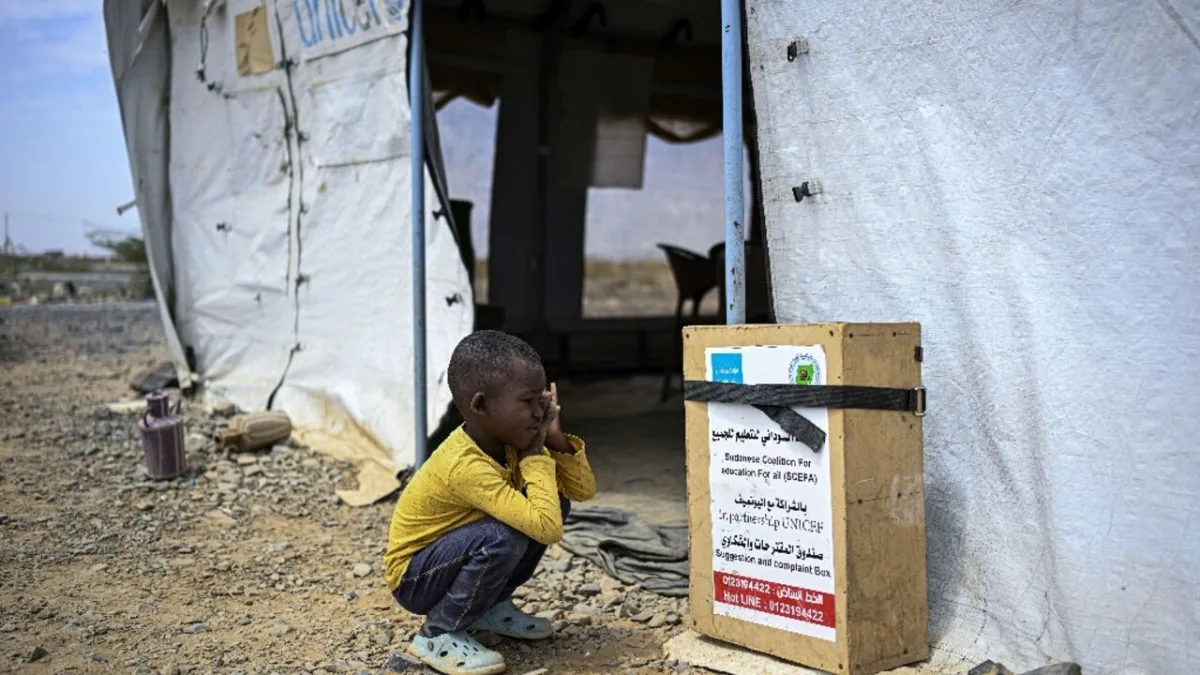
The Middle East conflict, now entering its third month, has sent shockwaves through global humanitarian supply chains, with devastating consequences for children in Africa, according to the United Nations. Rising transport costs and shipping delays are diverting critical funds away from lifesaving vaccines and medical supplies, forcing agencies like UNICEF to make painful choices between reaching more children or maintaining existing programs.
The disruption is far from localized. Maritime rerouting around the Cape of Good Hope has added two to four weeks to shipping timelines, while air freight capacity has tightened across Middle East routes. Port congestion, once isolated to conflict zones, has now spread across African hubs like Beira, Conakry, Abidjan, Dar es Salaam, and Mombasa, exacerbating delays for landlocked nations dependent on these corridors. Ethiopia’s Djibouti gateway, a vital humanitarian route, is under increasing strain as the ripple effects cascade.
Jean Cédric Meeus, head of logistics at UNICEF, described the impact as a ‘cascading disruption’, one that forces a brutal trade off. Every additional dollar spent on transport reduces the budget available for supplies. Air freight costs for vaccines traveling from India to Ethiopia, Nigeria, and the Democratic Republic of the Congo have surged by 50 to 70 percent. Trucking costs for therapeutic food from Kenya to Somalia, South Sudan, and the DRC have climbed 30 percent, while sea freight for educational materials from China to Yemen and Mozambique has spiked by 100 to 150 percent.
The financial strain is already forcing difficult decisions. In Nigeria, rerouting syringes for a polio vaccination campaign targeting 12 million children added $200,000, an unexpected 56 percent increase in transport costs. Meanwhile, UNICEF’s Mali office saw its international freight budget rise by 36 percent in the first quarter alone, prompting reductions in both supply orders and the number of children who can be treated.
With UNICEF’s annual transport contributions from logistics partners nearing exhaustion, the agency faces an unprecedented crisis. The consequences extend beyond vaccines: therapeutic foods, medical equipment, and educational materials, all essential for child survival and development, are now at risk of falling short as costs spiral. The warning from Meeus is clear: without urgent intervention, the war’s supply chain disruptions could leave millions of African children vulnerable to preventable diseases and malnutrition.








DISCUSSION (0)