
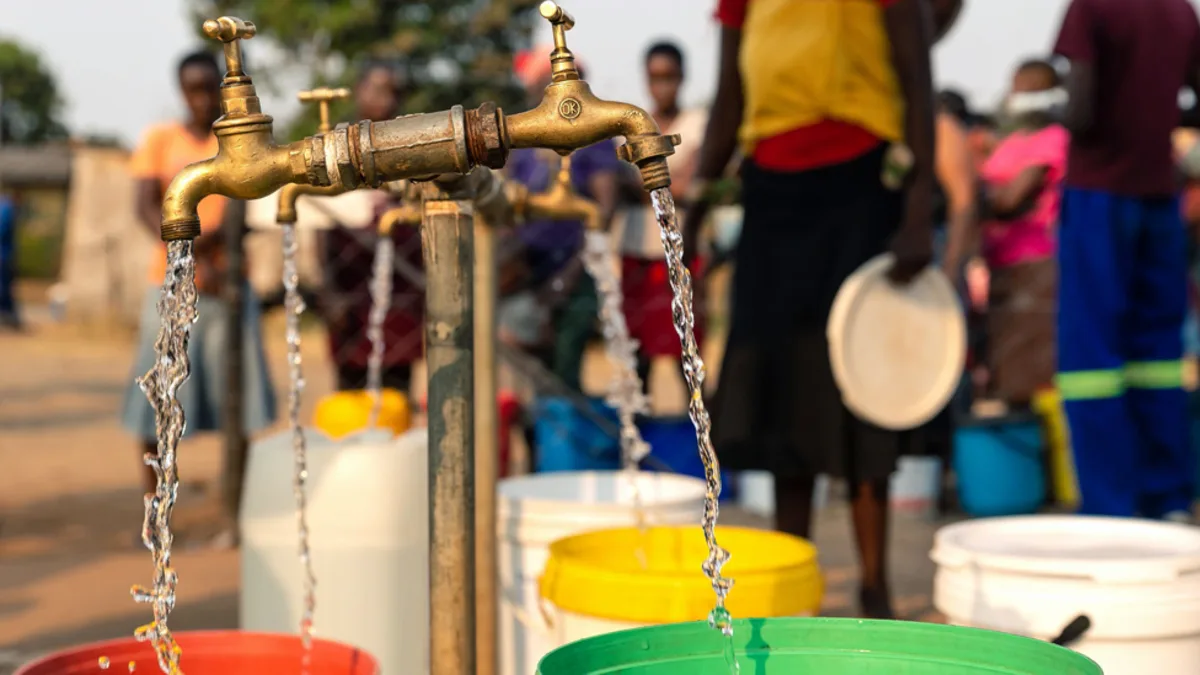
The Midlands Province of Zimbabwe is facing a growing public health crisis after health authorities confirmed two cases of cholera in Zvishavane, a district already grappling with prolonged water shortages. According to a May 15, 2026, directive from the Ministry of Health and Child Care, verified by the National Microbiology Reference Laboratory, the outbreak has prompted an immediate response to prevent further contamination.
The infections were detected amid reports of near total municipal water failures in some areas, with residents relying on unprotected wells and streams for survival. Health officials warn that the situation could worsen rapidly if water access remains unreliable, as contaminated sources remain the primary transmission route for cholera. The Ministry’s directive to all healthcare facilities in the region emphasizes heightened surveillance, early diagnosis, and stockpiling of critical supplies, including oral rehydration salts, intravenous fluids, and antibiotics.
Local residents and health workers have expressed alarm over the timing of the outbreak, citing weeks of water rationing that has left communities vulnerable. The Zvishavane Town Council has faced criticism for delays in addressing repeated complaints about the water supply collapse. In response, health authorities are urging residents to adopt strict hygiene measures, such as handwashing with soap, boiling or treating drinking water, and safe food handling, to reduce transmission risks.
Cholera, a bacterial infection spread through fecal contaminated water or food, can be effectively managed if detected early and treated promptly. However, the World Health Organization notes that outbreaks in resource limited settings often escalate due to delays in access to care. With containment efforts underway, health officials are calling for public vigilance and immediate reporting of diarrheal illnesses to prevent a wider spread.
The situation underscores the urgent need for sustained water infrastructure repairs and public health interventions to mitigate the risk of further contamination and disease transmission.








DISCUSSION (0)