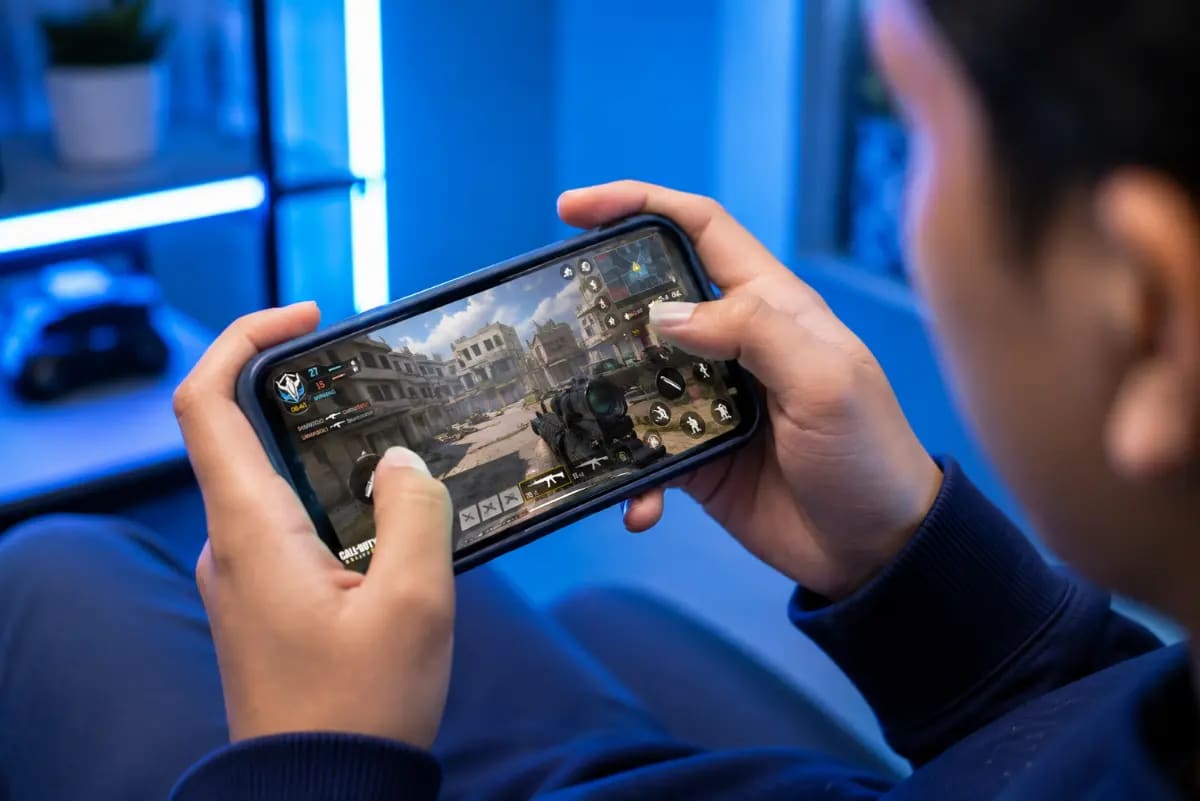
Researchers at Northeastern University have developed a bespoke video game designed to personalize cognitive care for vulnerable groups, including older adults and individuals with early stage dementia. A pilot study involving 50 participants across the U.S. demonstrated that the game could adapt to individual cognitive needs, offering a scalable and engaging approach to cognitive training. The findings suggest potential for broader applications in mental health and aging populations.
A pilot study conducted by researchers at Northeastern University has shown that a custom designed video game can personalize cognitive care for vulnerable populations, including older adults and individuals with early stage dementia. The study involved 50 participants from across the United States who logged into the game remotely, allowing researchers to assess its feasibility and effectiveness as a tool for cognitive training.
The game, developed by a team led by Dr. Marily Oppezzo, an associate professor of behavioral neuroscience, was designed to adapt in real time to each player's cognitive performance. Unlike traditional cognitive training programs that follow a one size fits all approach, the game dynamically adjusted its difficulty and content based on the player's responses, providing a tailored experience that targeted specific cognitive domains such as memory, attention, and problem solving.







DISCUSSION (0)