
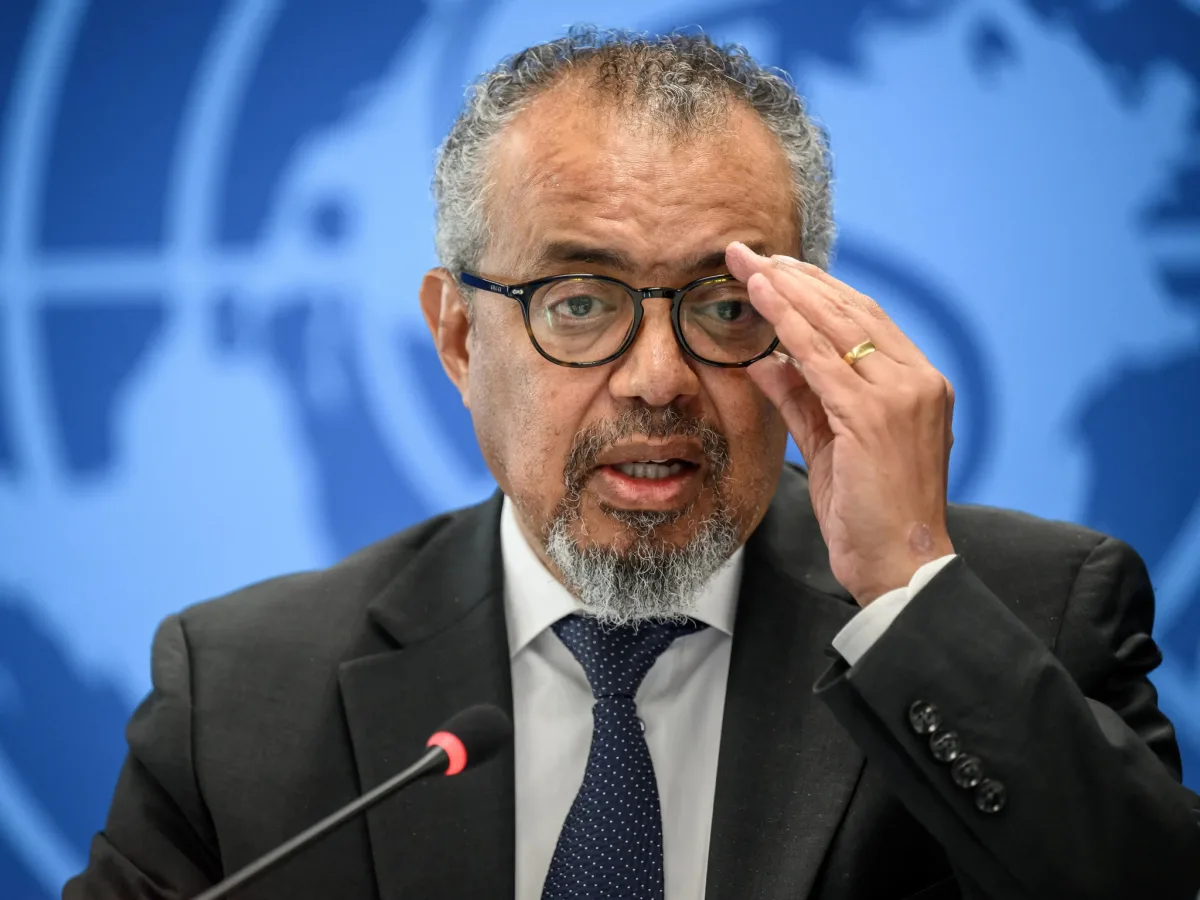
The World Health Organization’s Director General, Dr. Tedros Adhanom Ghebreyesus, has issued a direct and urgent appeal to warring parties in the Democratic Republic of the Congo, warning that ongoing violence is deepening a public health catastrophe in Ituri province. Speaking in a rare personal message to the people of DRC, particularly those in Ituri, Dr. Tedros framed his plea not as an official statement, but as one rooted in decades of firsthand experience fighting Ebola in the region.
Dr. Tedros, who has visited North Kivu and other conflict zones more than a dozen times during past outbreaks, described the current crisis as a harrowing echo of the past. More than 90% of confirmed Ebola cases in the latest outbreak are concentrated in Ituri, with smaller clusters in North and South Kivu. Yet the province faces far more than a viral threat: malaria, hunger, and insecurity have already strained its population to the breaking point. “You are already carrying so much,” he acknowledged. “And now Ebola.”
The Director General’s words carry particular weight because he has lived through this before. During the 2018, 2020 Ebola epidemic, the deadliest in history, he witnessed firsthand how armed conflict exacerbated the outbreak. Health workers were attacked, clinics were destroyed, and displaced communities struggled to access care amid gunfire. “I remember being in Beni while fighting was taking place on the outskirts of the city,” he recalled. “We could hear it. And yet the health workers did not stop.”
Yet Dr. Tedros also highlighted a critical lesson from that ordeal: when communities are respected and trusted, even in the most dire circumstances, progress is possible. “When we listened, when communities felt heard, things began to change,” he said. “Trust grew. People came forward. And together, we managed to contain the outbreak.”
This time, however, the stakes are higher. Ituri, a province known for its resilience and entrepreneurial spirit, where markets like Bunia thrive despite hardship, is now ground zero for a resurgent Ebola outbreak. Dr. Tedros emphasized that the people of Ituri are not defined by their suffering alone. “Ituri is a place of remarkable energy,” he noted, praising the province’s traders, farmers, and young leaders who refuse to be defeated by conflict. But that energy is being drained by a perfect storm of crises.
His message was clear: the only way to save lives is to end the violence. “I am writing to you as someone who knows your region,” he concluded. “I am writing because I want to be with you in these moments. And I want you to know that you are not alone.” The appeal comes as the WHO and partners race to scale up response efforts, but Dr. Tedros’s words underscore an undeniable truth: without peace, even the most determined medical interventions will struggle to reach those who need them most.








DISCUSSION (0)