
The World Health Organization (WHO) has launched a new technical package of seven proven strategies, dubbed *PROTECT, to combat drowning, a preventable yet deadly crisis disproportionately affecting low- and middle income countries, including those in Africa. The initiative comes ahead of World Drowning Prevention Day on July 25, 2026, and aims to address nearly 300,000 annual global drowning deaths, with over 90% occurring in regions where resources are scarce.
Drowning remains one of the top ten leading causes of death among children aged 5, 14 years, with fatalities often occurring in rivers, lakes, domestic water storage containers, and poorly secured swimming pools. Climate change is exacerbating the risk, as extreme weather, including floods, storms, and heatwaves, disrupts water safety. Research shows drowning deaths rise by 7.2% for every 1°C increase in temperature, with risks nearly five times higher on days exceeding 25°C compared to those below 10°C.
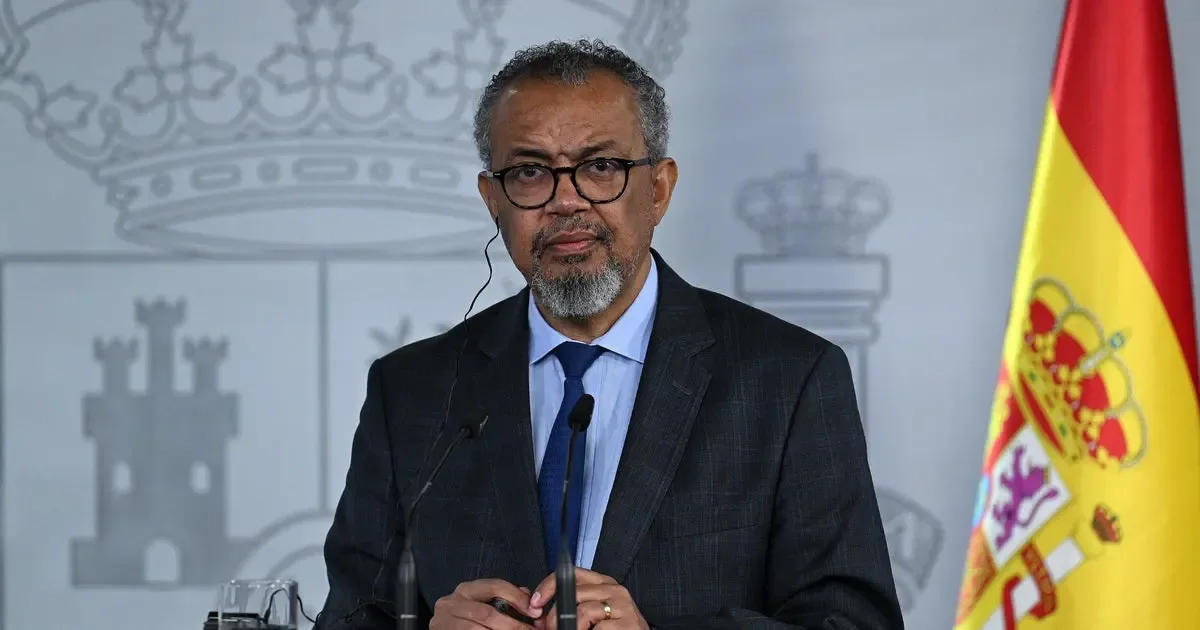
‘Every drowning is a tragedy, and most are preventable,’ stated Dr Tedros Adhanom Ghebreyesus, WHO Director General. ‘The PROTECT strategies provide countries with practical, evidence based tools to prevent these deaths, from improving water transport safety to teaching children to swim and preparing for floods.’ The framework emphasizes that drowning prevention requires multisectoral collaboration, spanning health, education, infrastructure, and emergency response.
The PROTECT acronym outlines seven interconnected domains for action:
Physical infrastructure must be designed to minimize risks around water bodies, such as securing wells and pools. Rescue and resuscitation training, both for bystanders and professionals, must be widely accessible. Occupational safety for workers exposed to water hazards, such as fishermen and construction laborers, must be prioritized. Transport safety standards for boats and ferries need enforcement to reduce accidents. Education in basic swimming and water safety should be integrated into school curricula. Child care systems must include safeguards to prevent accidental submersion. Finally, threat preparedness for floods and other disasters must be strengthened to protect communities during emergencies.
The strategy was developed by the WHO hosted Global Alliance for Drowning Prevention, launched in 2025, and builds on over a decade of global collaboration. Its rollout in Ghana, where an estimated 1,100 drowning deaths occur annually, averaging three per day, highlights the country’s leadership in water safety. Children and young adults bear the brunt of these deaths, underscoring the urgency of targeted interventions.
‘This framework will save lives while building on the progress governments are making,’ said Dr Kelly Henning* of Bloomberg Philanthropies, which has partnered with WHO since 2014 to advance drowning prevention. The organization has supported the development of foundational resources, including policy guidance and community based programs, to implement these strategies worldwide.
With the PROTECT package now available, the WHO calls on governments to adopt evidence based policies, foster cross sectoral partnerships, and allocate resources to turn the tide on a preventable public health crisis.








DISCUSSION (0)