

The World Health Organization (WHO) has issued a strong call for countries to end prolonged stays in psychiatric hospitals, urging a global shift toward community based mental health services that prioritize patients’ rights, dignity, and freedom.
In a news release published on 9 October 2026, just ahead of World Mental Health Day, the organization introduced a new guide designed to help nations transition away from institutional care. The approach, known as deinstitutionalization, aims to support individuals with mental health conditions in returning to community life with appropriate care and support after spending six months or more in psychiatric hospitals.
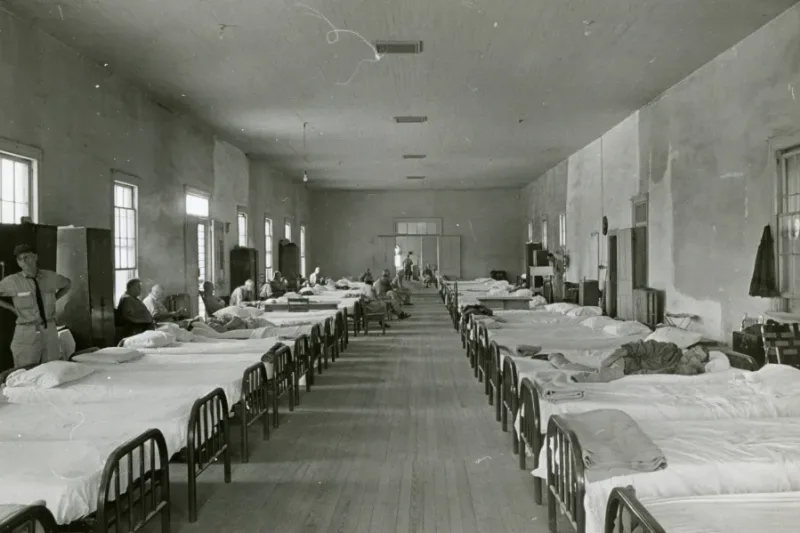
The WHO report highlights a troubling reality: many people with mental health conditions remain confined in large psychiatric hospitals and social care institutions for months, years, or even decades. Nearly half of these patients are reportedly held against their will. WHO Director General Dr. Tedros Adhanom Ghebreyesus emphasized that no one should have to sacrifice their freedom, dignity, or place in society to receive ongoing mental health support.
Dr. Tedros urged governments to redirect investments from long term institutional care toward rights based community services. The new guide outlines practical steps for psychiatric hospital leaders, including reducing unnecessary admissions and prolonged stays, improving institutional practices to protect patients’ rights, and supporting transitions back into community life.
However, WHO stressed that hospitals alone cannot achieve this transition. The organization emphasized that access to housing, healthcare, education, employment, social support, and family assistance would be essential for helping individuals live independently and participate fully in society.
Progress toward community based mental healthcare remains uneven across countries. According to WHO’s Mental Health Atlas, only 9% of reporting nations have fully transitioned to community based care, while 53% remain at an early stage of reform. The report also found that more than one in four people admitted to psychiatric hospitals stay for longer than six months.
The guide underscores the importance of involving people with lived experience of mental health conditions in shaping services and policies that affect them. Grace Gatera, an independent lived experience consultant and advocate, noted that decisions about mental health systems must be made with those who understand institutional care personally. Their insights are critical for developing services that promote choice, recovery, and community participation.
Developed with global experts, including individuals with lived experience, the guide provides practical approaches tailored to local circumstances. As World Mental Health Day approaches, WHO is urging governments and health services to accelerate the shift toward community based care, ensuring that those with lived experience play a central role in shaping mental health systems.






DISCUSSION (0)