
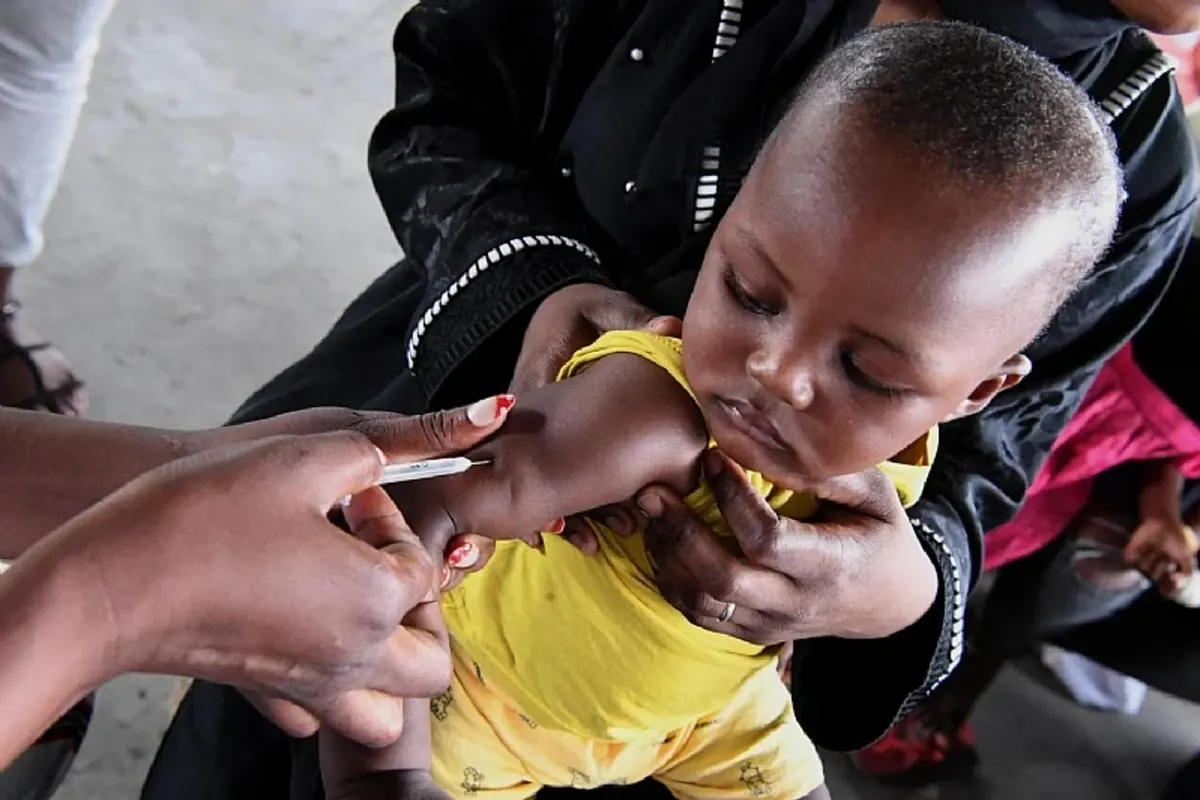
A persistent gap in COVID 19 vaccination rates among Black and Hispanic children, despite high rates of vaccination among their parents, has been traced to deeply rooted cultural values that shape perceptions of safety, trust, and autonomy, according to a new study published in Vaccine: X. The findings highlight how systemic inequities and historical mistrust of medical institutions continue to influence vaccination decisions, even as public health campaigns seek to expand pediatric immunization.
Researchers at Ann & Robert H. Lurie Children’s Hospital of Chicago identified five core values that guide Black and Hispanic parents’ decisions about vaccinating their children against COVID 19: safety, knowledge, trust, humanity, and autonomy. Through interviews with 20 caregivers, 62% of whom were non Hispanic Black and 29% Hispanic, of children aged 5 to 11, the team found that when these values were respected, parents expressed greater confidence in the vaccine. Conversely, when these values were perceived as threatened, whether due to concerns about adverse effects, lack of transparency, or disrespectful interactions with healthcare providers, hesitancy increased.
‘When we spoke with parents from minoritized communities, we saw that their decisions were not just about the vaccine itself but about whether their core values were being upheld,’ said Dr. Andrea Spencer, senior author of the study and Vice Chair for Research at the Pritzker Department of Psychiatry and Behavioral Health at Lurie Children’s Hospital. ‘For example, if parents felt their concerns about safety were dismissed or if they lacked clear, accessible information, their trust in the vaccine, and in the healthcare system, diminished.’
The study underscores how historical injustices, such as the Tuskegee Syphilis Study and ongoing disparities in healthcare access, shape contemporary perceptions. ‘These values are not abstract,’ Dr. Spencer explained. ‘They are deeply shaped by experiences of systemic racism, inequities in care, and cultural mistrust. When public health messaging fails to address these realities, it risks reinforcing rather than reducing vaccine hesitancy.’
Among the caregivers interviewed, 62% had already vaccinated their children, yet the study reveals that even among those who had received the vaccine themselves, concerns persisted. For instance, parents emphasized the importance of knowledge, not just about the vaccine’s efficacy but about how information was communicated to them. They also prioritized humanity, noting that feeling respected as individuals, rather than treated as part of a statistical group, was critical to their comfort with vaccination. Autonomy, too, played a key role; parents wanted to feel empowered to make decisions for their children, rather than being pressured by healthcare providers.
The researchers argue that vaccination campaigns could become more effective if they were designed with these values in mind. ‘Instead of framing discussions purely around safety data or public health mandates, we should ask: How can we communicate in ways that honor these values?’ Dr. Spencer said. ‘This could mean providing clear, culturally tailored information, ensuring transparency about risks and benefits, and fostering environments where parents feel heard and respected.’
‘If we want to build trust in public health systems,’ she added, ‘we must recognize that trust is not a one size fits all concept. It is built through consistent, respectful engagement, one conversation, one family at a time.’ The study’s insights could inform future efforts to bridge the vaccination gap, particularly as new pediatric vaccines emerge.








DISCUSSION (0)