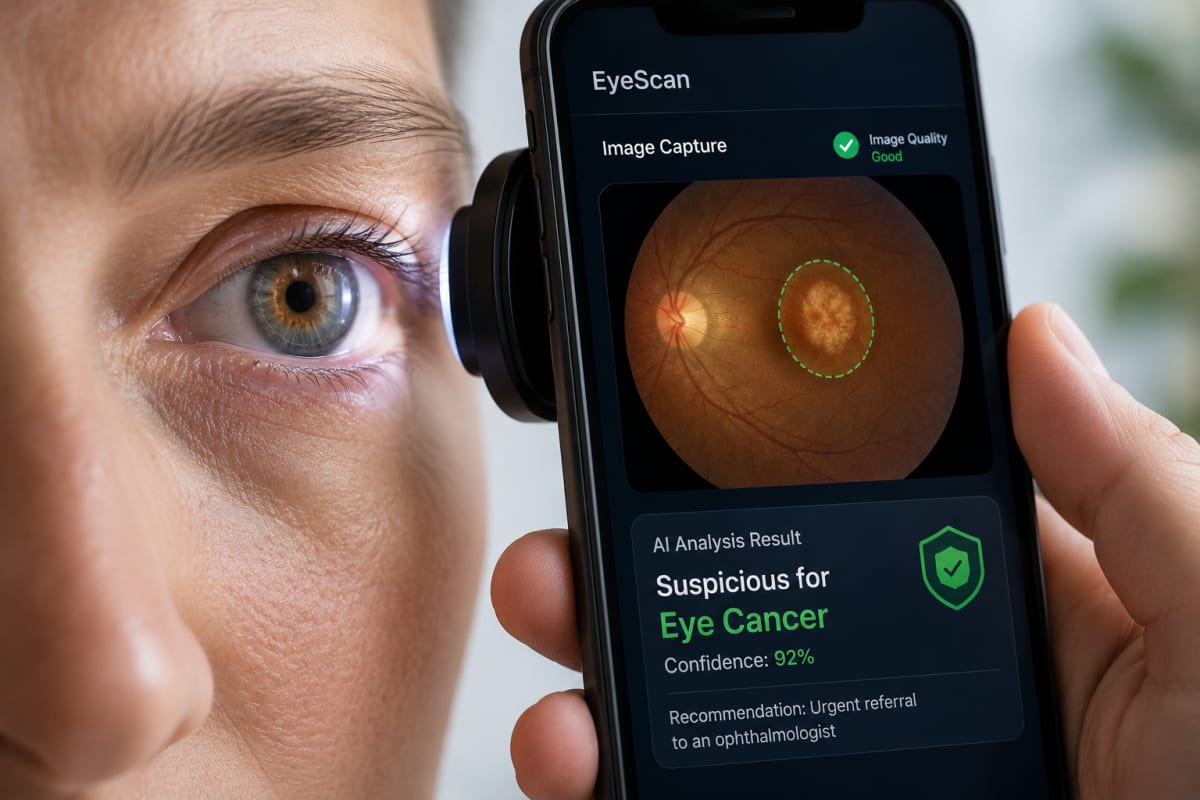
In a major leap for early cancer detection, researchers have developed a smartphone based artificial intelligence application capable of identifying eye surface cancers with accuracy rivaling that of trained specialists. The technology not only flags suspicious lesions in photographs but also uncovers previously missed cases, offering a potential lifeline for patients in regions where ophthalmic expertise remains scarce. With eye cancers often progressing silently until advanced stages, this innovation could dramatically shorten diagnostic delays and improve survival outcomes worldwide. The app, still in research phases, represents a convergence of mobile health and machine learning that may soon redefine how primary care providers, optometrists, and even patients themselves screen for ocular malignancies. Its ability to streamline referrals to specialist care could prove particularly transformative in low resource settings, where access to ophthalmologists remains limited.
Ocular surface squamous neoplasia OSSN, which includes conjunctival and corneal cancers, often presents with subtle early symptoms that patients and even general practitioners may overlook. By the time lesions become visibly concerning, the disease may have advanced to stages requiring aggressive treatment. This AI tool addresses a critical gap in early detection by providing an accessible, non invasive screening method that does not rely on specialized equipment or clinical expertise.
The implications extend beyond individual patient care. In many parts of the world, particularly in rural or underserved communities, ophthalmologists are in short supply. A smartphone based diagnostic aid could empower primary care physicians, optometrists, and community health workers to identify high risk cases earlier, ensuring timely referrals to tertiary centers. This democratization of diagnostic capability could help reduce disparities in cancer outcomes between high and low income regions.


DISCUSSION (0)