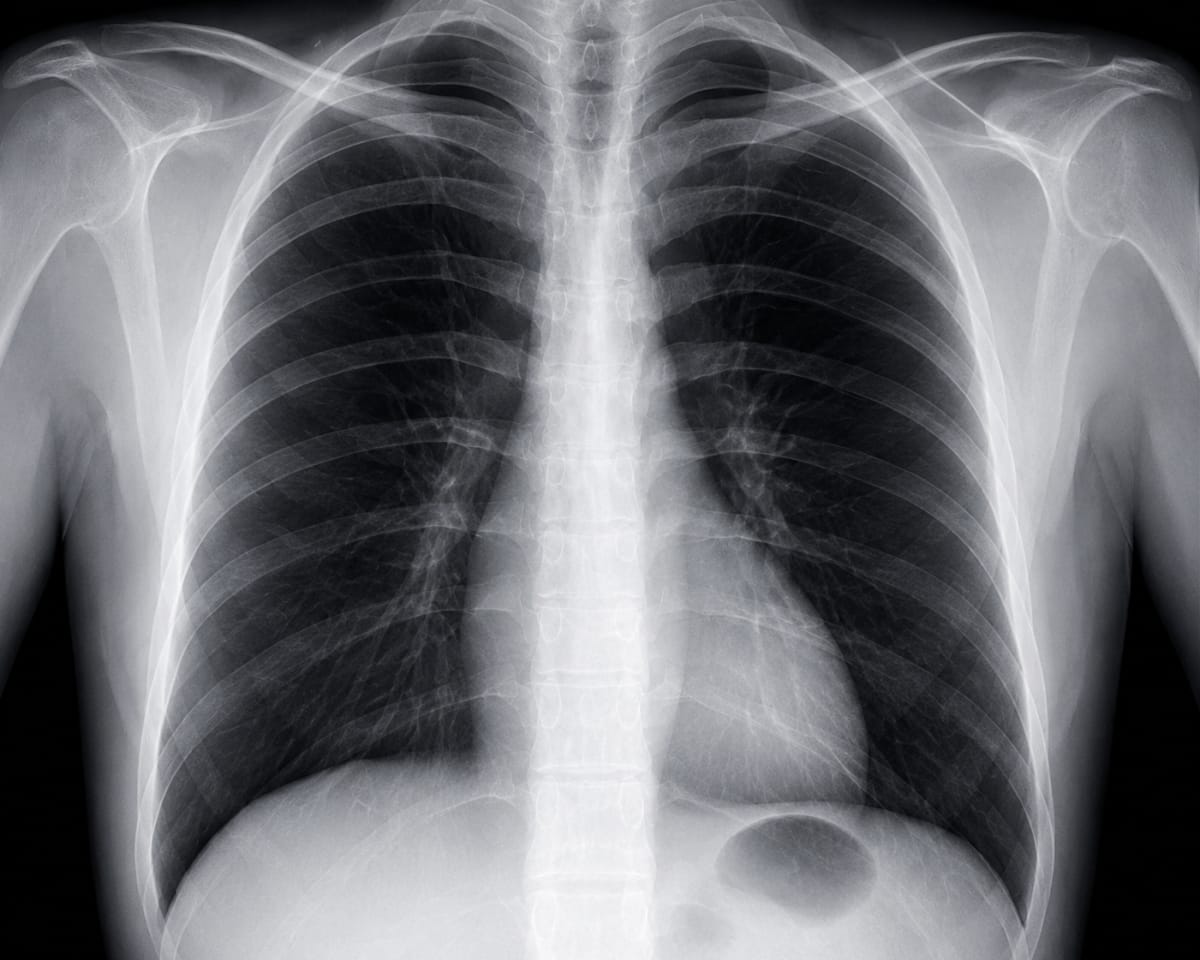
In a move that could reshape radiology workflows, the U.S. Food and Drug Administration has granted breakthrough device designation to two generative artificial intelligence tools designed to interpret chest X rays and generate preliminary radiology reports. The decision signals growing regulatory confidence in AI’s potential to enhance diagnostic efficiency while maintaining clinical accuracy. With radiology departments worldwide facing mounting backlogs and staffing shortages, these tools may offer a timely solution, but experts caution that rigorous validation remains essential before widespread adoption.
The FDA’s breakthrough designation accelerates the development and review of technologies that address unmet medical needs or offer significant advantages over existing standards. For radiology, where delays in report turnaround can impact patient outcomes, AI driven tools could reduce bottlenecks by automating initial interpretations. This is particularly critical in emergency settings, where timely diagnosis of conditions like pneumonia, lung nodules, or pleural effusions can be lifesaving.
Generative AI in this context does not replace radiologists but acts as a decision support tool. By drafting reports, these systems may allow specialists to focus on complex cases, reducing fatigue and improving overall productivity. However, the technology’s ability to match human level accuracy in detecting subtle abnormalities remains under scrutiny.


DISCUSSION (0)