
A groundbreaking study published in Science Translational Medicine has uncovered a previously unknown mechanism by which B cell depletion therapies, already a cornerstone of multiple sclerosis (MS) treatment, may work more effectively than previously understood. Researchers from the University Hospital of Bonn, alongside collaborators from the Universities of Basel, Toronto, and Yale, found that these therapies don’t just remove harmful immune cells but also mobilize beneficial regulatory B cells from the gut, potentially improving disease outcomes for MS patients.
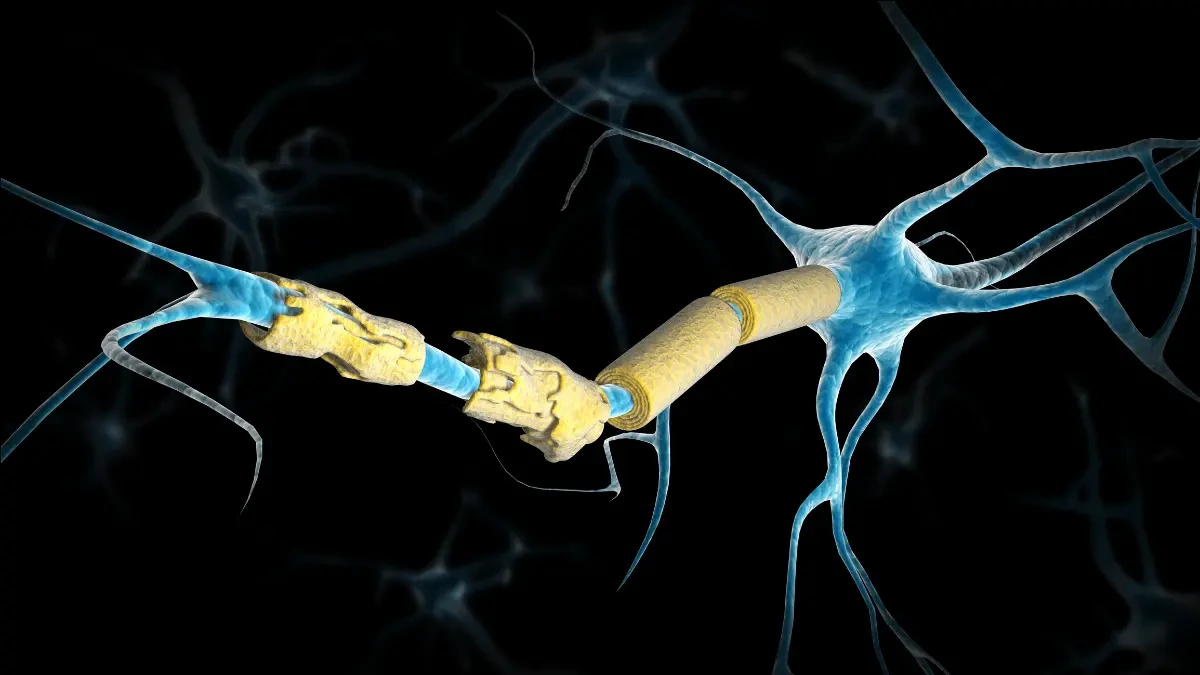
MS, the most common chronic inflammatory disease of the central nervous system, occurs when the immune system mistakenly attacks the myelin sheath that protects nerves. While B cells, part of the immune system, have long been a therapeutic target due to their role in driving disease activity, not all B cells are harmful. Some act as protective regulators, helping to temper immune responses and even influence disease progression positively.
The international research team, led by Professor Anne Katrin Pröbstel of the University Hospital of Bonn and the German Center for Neurodegenerative Diseases (DZNE), investigated how B cell depletion therapies, such as rituximab, affect these protective populations. By analyzing immune cells from the blood, cerebrospinal fluid, and intestinal mucosal tissue of both control subjects and MS patients undergoing treatment, the researchers made a surprising discovery: B cell depletion appears to promote the migration of these beneficial gut derived B cells into the bloodstream and central nervous system.
The study’s lead authors, Dr. Tradite Neziraj and Dr. Elisabeth Pössnecker, observed that the therapy alters levels of factors regulating B cell movement, leading to increased trafficking of protective cells. Higher concentrations of these regulatory factors were associated with better clinical outcomes in MS patients, suggesting a direct link between gut immune cell mobilization and disease control.
"Our research shows that B cell depletion changes the levels of factors that regulate B cells and is associated with increased migration of protective gut derived B cells," explained Pröbstel, managing director of the Center for Neurology at the University Hospital of Bonn and a member of the Cluster of Excellence ImmunoSensation³. "Interestingly, higher levels of these B cell regulating factors were linked to better outcomes in patients with MS."
This finding challenges the long held assumption that B cell depletion therapies work solely by removing harmful immune cells. Instead, the treatment may also recruit and activate beneficial immune cells from the gut, offering a dual mechanism of action. The discovery opens new avenues for developing targeted therapies that harness the body’s own regulatory immune cells to combat MS and other inflammatory diseases.
The study, titled "Anti CD20 B cell depletion is associated with elevated mucosal originating circulating regulatory IgA B cells in multiple sclerosis," was published in Science Translational Medicine and provides a foundation for future research into gut immune interactions in autoimmune diseases.








DISCUSSION (0)