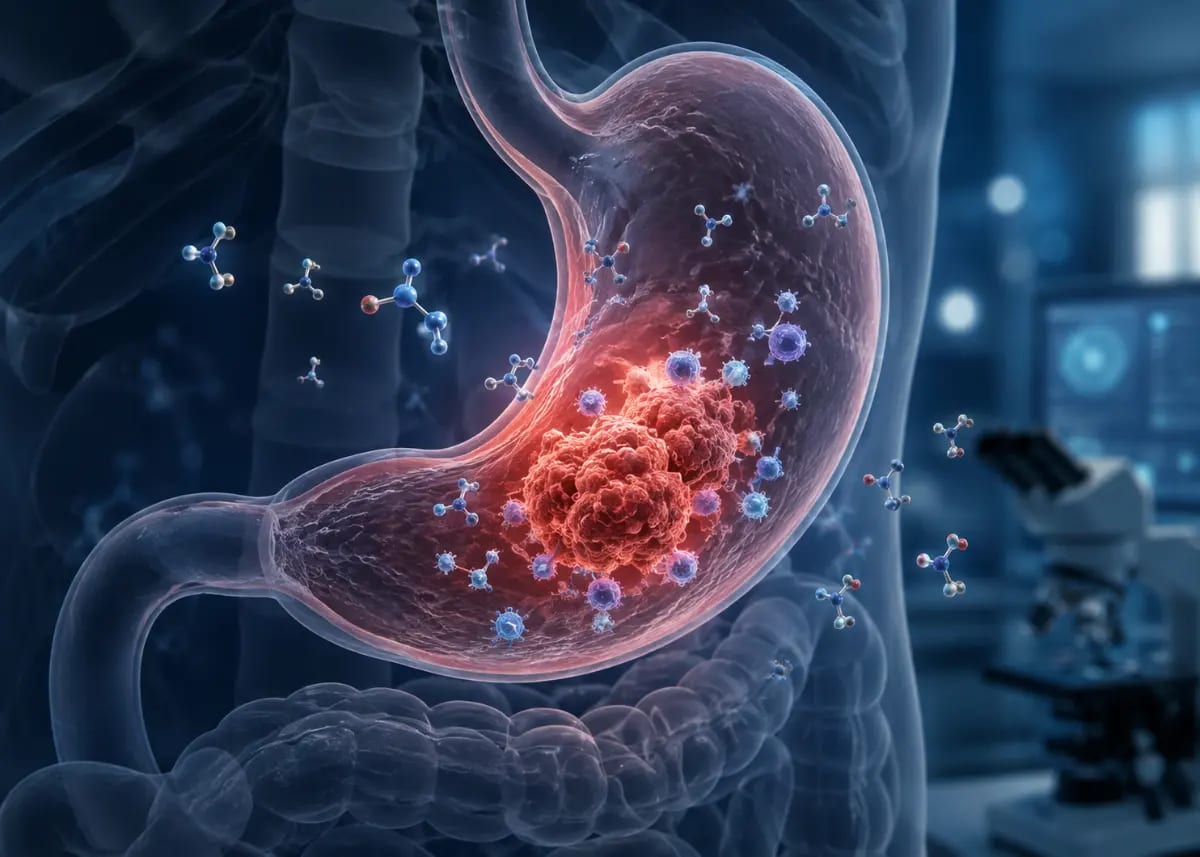
A new study identifies D serine as a key molecule that accelerates gastric tumor growth by suppressing killer T cells, a critical component of the immune system. The findings suggest this amino acid may help cancer evade immune detection, potentially reducing the effectiveness of immune checkpoint inhibitor therapies. Researchers highlight the need to explore D serine as a therapeutic target to improve cancer treatment outcomes.
Scientists have discovered that D serine, a naturally occurring amino acid, plays a significant role in helping gastric tumors grow faster by weakening the immune system's ability to attack cancer cells. The study reveals that D serine suppresses killer T cells, which are essential for identifying and destroying tumor cells. This mechanism allows cancer to evade immune detection, a critical step in tumor progression.
Immune checkpoint inhibitor (ICI) therapy, a treatment designed to boost the immune response against cancer, works by blocking some of the signals tumors use to avoid detection. However, its success varies depending on the specific molecules secreted by the tumor. The new findings suggest that D serine may be one such molecule that limits the effectiveness of ICIs in gastric cancer.








DISCUSSION (0)