
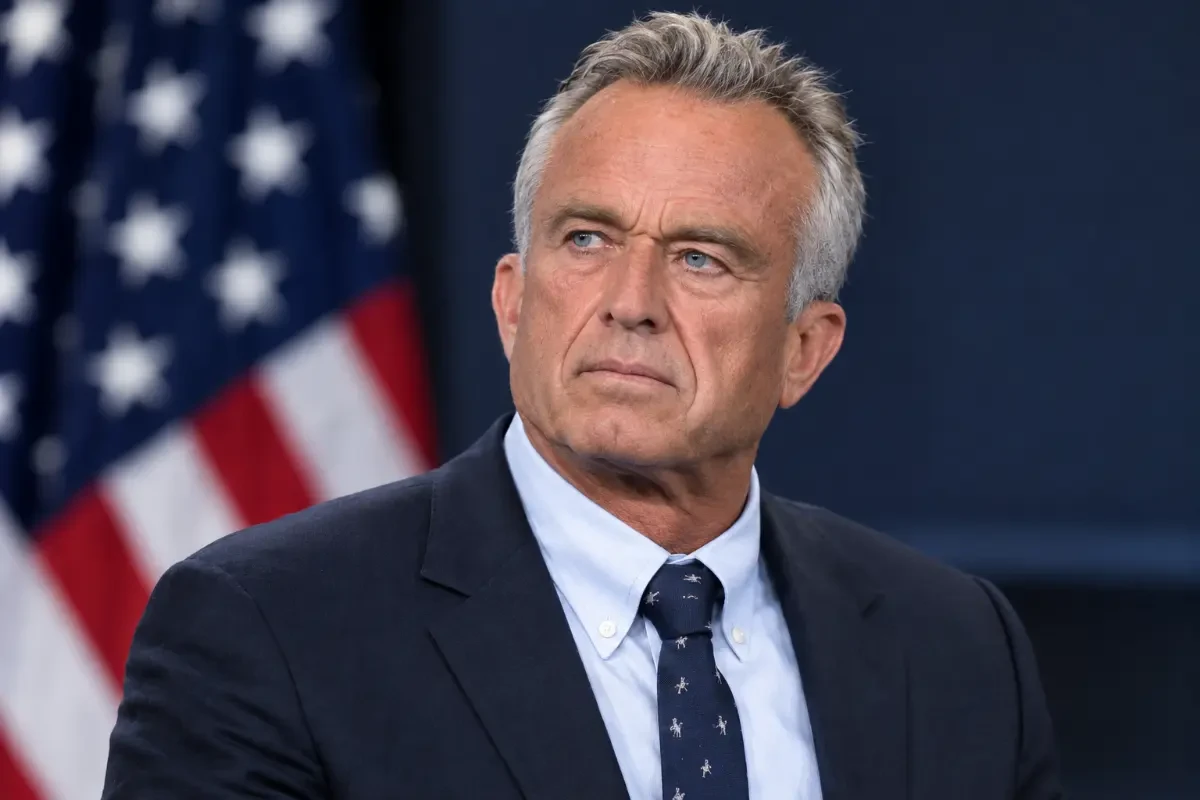
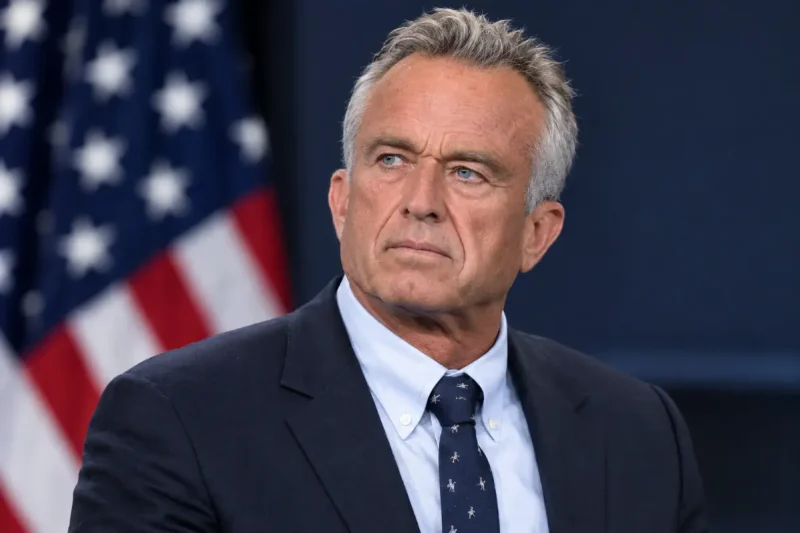
The political and medical communities are divided over Health Secretary Robert F. Kennedy Jr.’s recent endorsement of artificial intelligence as a tool to empower patients and challenge medical authority. At a summit organized by the Make America Healthy Again (MAHA) movement, Kennedy framed AI as a means to dismantle what he called “medical tyranny,” allowing Americans to “fact check their own medical advice” and reject the authority of public officials who urge trust in experts.
“We’re never ever again going to be able to be dominated by public officials who tell us: ‘Trust the experts,’” Kennedy told an invite only audience of Silicon Valley executives and MAHA leaders. His remarks, however, have drawn sharp criticism from both medical experts and grassroots activists within the movement, who question whether Kennedy’s embrace of AI aligns with MAHA’s original mission of opposing corporate influence in healthcare.
The summit, sponsored by companies including OpenAI and Anthropic, both developers of health focused AI chatbots, featured panels with top administration officials like Mehmet Oz, MD, of the Centers for Medicare and Medicaid Services (CMS). Sponsors paid up to $300,000 for speaking slots, raising concerns about potential conflicts of interest. Critics, including vaccine researcher Robert Malone, MD, accused the event of prioritizing corporate interests over the grassroots activists who originally built the MAHA movement.
“There was no representation of people that have been at the core of MAHA and its creation, whether be physicians or patients or patient advocates,” Malone said. The summit, organized by MAHA Center Inc., a Kennedy associated nonprofit, included panels on psychedelic drugs, fitness wearables, and experimental cancer tests, all areas with pending regulatory or commercial interests.
Kennedy’s vision of AI as a democratizing force in healthcare clashes with the perspectives of medical experts who argue that AI’s capabilities are fundamentally different from what he describes. Zeke Emanuel, MD, PhD, a bioethicist at the University of Pennsylvania, criticized Kennedy’s framing, stating, “He obviously doesn’t understand how AI works.” Emanuel explained that AI aggregates existing medical literature and case studies, effectively replicating the expertise of trained professionals rather than challenging it. “What you’re actually getting is medical expertise,” he said.
HHS spokesperson Emily Hilliard acknowledged that Kennedy’s focus on AI was “one narrow use” of the technology but emphasized its potential to help patients better understand their health data and collaborate more effectively with doctors. “The technology will help doctors work faster, giving them more time to treat and care for patients,” Hilliard said. However, critics argue that Kennedy’s vision risks overlooking the limitations of AI in real world medical decision making, particularly when patients lack the context or medical knowledge to interpret AI generated advice accurately.
Kennedy’s alliance with Silicon Valley aligns with broader trends in the Trump administration, which has resisted federal oversight of AI companies. President Trump recently revoked a Biden era executive order on AI regulation and proposed allowing the industry to self police. Meanwhile, administration officials have touted AI as a solution to healthcare challenges, including rising costs, fraud, and rural hospital closures. Medicare officials are reportedly in discussions with AI chatbot companies to integrate their tools into prescription refill programs.
Experts like Glenn Cohen, a bioethicist at Harvard Law School, note that Kennedy’s skepticism of corporate influence in food and pharmaceutical industries makes his embrace of AI, an industry dominated by tech giants, particularly ironic. “Given Kennedy’s skepticism of ‘big food,’ it’s surprising he didn’t see the risk that market incentives may diverge from the public good,” Cohen said.
Despite Kennedy’s optimism, AI’s role in healthcare remains uncertain. While studies suggest AI can outperform doctors in controlled scenarios, real world use has revealed challenges, including patients providing insufficient information and AI generating inconsistent or misleading advice. Robert Wachter, MD, a medical technology expert at the University of California San Francisco, acknowledged AI’s potential to democratize healthcare but cautioned that its success depends on ensuring patients can accurately interpret its outputs. “Democratization is good,” Wachter said, “but that means disseminating the best science we have, which generally means science created by people who know what they’re talking about.”
The debate over Kennedy’s AI endorsement reflects broader tensions within the MAHA movement, where some organizations, like Moms Across America, continue to oppose corporate interests, including those tied to data centers and environmental concerns. As AI’s role in healthcare evolves, the movement’s future direction remains uncertain, with critics questioning whether Kennedy’s corporate partnerships align with its original goals of grassroots activism and skepticism of institutional power.

DISCUSSION (0)