
Nigeria's federal government says it has revitalised 3,526 primary healthcare centres nationwide as part of efforts to improve access to essential medical services and strengthen the country's health system.
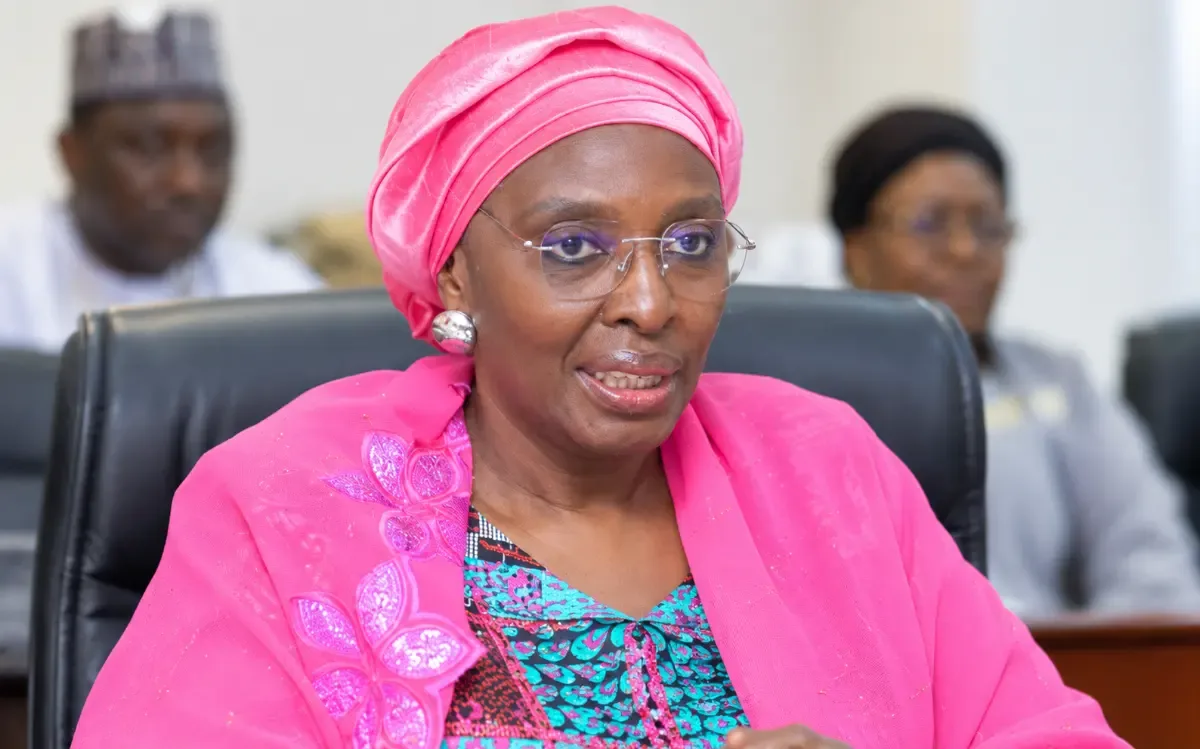
Daju Kachollom, Permanent Secretary of the Federal Ministry of Health and Social Welfare, announced the figures at the 10th Annual Conference of the Association of Nigeria Health Journalists in Abuja. She said another 900 facilities were undergoing rehabilitation under the Nigeria Health Sector Renewal Investment Initiative.
According to Kachollom, 12 of the 13 health indicators monitored under the reform programme have recorded measurable improvements. However, the extent to which these gains are translating into better healthcare access and outcomes remains an important measure of the initiative's progress.
Ministry figures show that health insurance enrolment has increased from approximately 16 million people to nearly 24 million. Skilled deliveries at participating facilities also rose from 4.8 million in 2023 to 7.9 million by mid 2026. The government further reported that all 41 presidential health sector commitments had been achieved.
Maternal and newborn health indicators also showed improvements in 172 local government areas classified as high burden areas. Between 2023 and 2025, maternal deaths reportedly declined by 17 per cent, while newborn deaths fell by 12 per cent.
Immunisation programmes have also expanded. The ministry said measles and rubella vaccination campaigns reached 100 million children, while more than 17 million adolescent girls received the human papillomavirus (HPV) vaccine.
Financial commitments to the sector have increased at the state level. Combined health budgets across state governments rose from N1.97 trillion in 2023 to more than N3.3 trillion in 2026. The government also reported the commissioning of 10 new factories and manufacturing lines to support local production of essential health commodities.
Despite the reported progress, significant gaps remain across the healthcare system. Kachollom identified childhood stunting, high healthcare costs, poor quality of care, shortages and uneven distribution of medical personnel, and low health insurance coverage among the challenges requiring further attention.
She also questioned the limited public documentation on the implementation of resolutions adopted by the National Council on Health. She stressed that government decisions must lead to practical action, warning that resolutions without follow through risk remaining announcements rather than producing meaningful changes.
Kachollom urged journalists to independently assess the implementation of health policies and examine their effects on communities. She called for evidence based reporting to counter misinformation and improve public awareness of antenatal care, immunisation and chronic conditions such as hypertension and diabetes.
Nigeria is also scheduled to host the fifth Global High Level Ministerial Conference on Antimicrobial Resistance from December 6 to 8, 2026. Ahead of the meeting, officials encouraged journalists to promote responsible antibiotic use and explain the health risks associated with self medication.






DISCUSSION (0)