
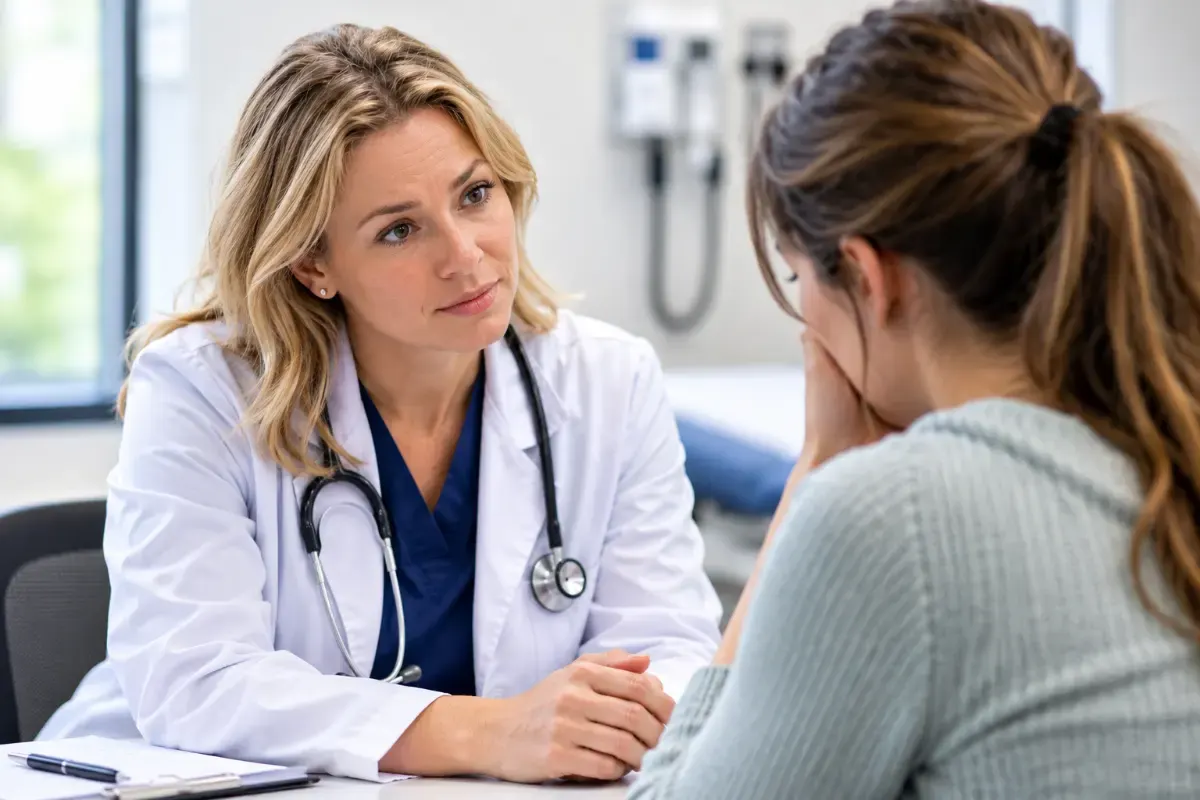
Nearly 123 million women and girls aged 15 and older across the Americas have experienced physical or sexual violence, highlighting the need for stronger healthcare systems capable of identifying abuse and supporting survivors.
The Pan American Health Organization (PAHO) is urging countries across the region to make healthcare services a stronger part of efforts to prevent and respond to violence against women and girls. The organization says medical professionals need better training to recognize signs of abuse, provide appropriate care and connect survivors with essential protection services.
As part of this effort, PAHO will launch a specialized virtual training course on November 26, aimed at improving how frontline healthcare workers respond to violence. The programme, titled Health Services Response to Violence against Girls and Adolescents, will provide practical guidance on identifying abuse, offering empathetic care and referring survivors to appropriate support services.
The scale of violence across the region remains a major public health and human rights concern. PAHO estimates that approximately one in three women and girls aged 15 and older has experienced physical or sexual violence during her lifetime.
Intimate partner violence is particularly concerning, affecting one in five women aged 15 to 19. Its effects extend beyond physical injuries, with survivors facing increased risks of depression, sexually transmitted infections and unintended pregnancies, alongside other long term consequences for their mental, sexual and reproductive health.
PAHO Director Dr. Jarbas Barbosa stressed that healthcare workers need proper preparation to make a meaningful difference in the lives of survivors. He said medical professionals must be able to recognize signs of violence, provide first-line support, deliver appropriate clinical care and arrange safe referrals.
Healthcare facilities often serve as one of the first places women and girls experiencing violence seek help. This places medical professionals in an important position to identify abuse, assess risks and connect survivors with services that can protect their safety and wellbeing.
However, PAHO emphasizes that an effective response requires more than individual awareness. Healthcare systems also need trained and supported personnel, quality services, and evidence based policies and programmes.
The virtual course will be introduced during a two day regional meeting in Guatemala City, with representatives from across the Americas expected to exchange experiences and discuss ways to improve healthcare for girls, adolescents and young women affected by violence. The initiative was developed with support from the Spanish Agency for International Development Cooperation.
The launch coincides with the annual 16 Days of Activism against Gender Based Violence, which runs from November 25 to December 10.
PAHO will also organize two regional webinars during the campaign. A December 2 session will examine care and self-care strategies for healthcare workers, including ways to prevent emotional exhaustion and strengthen support among colleagues.
Another session, scheduled for December 8, will explore barriers and opportunities in improving healthcare responses for Indigenous and Afro descendant girls, adolescents and women, with an emphasis on culturally appropriate services and a rights-based approach.
PAHO says respectful, empathetic and non judgmental treatment is essential to helping survivors feel safe enough to seek medical attention and access protection. Strengthening healthcare workers' ability to identify violence and respond appropriately, the organization maintains, is an essential investment in saving lives and improving the wellbeing of communities.



DISCUSSION (0)