
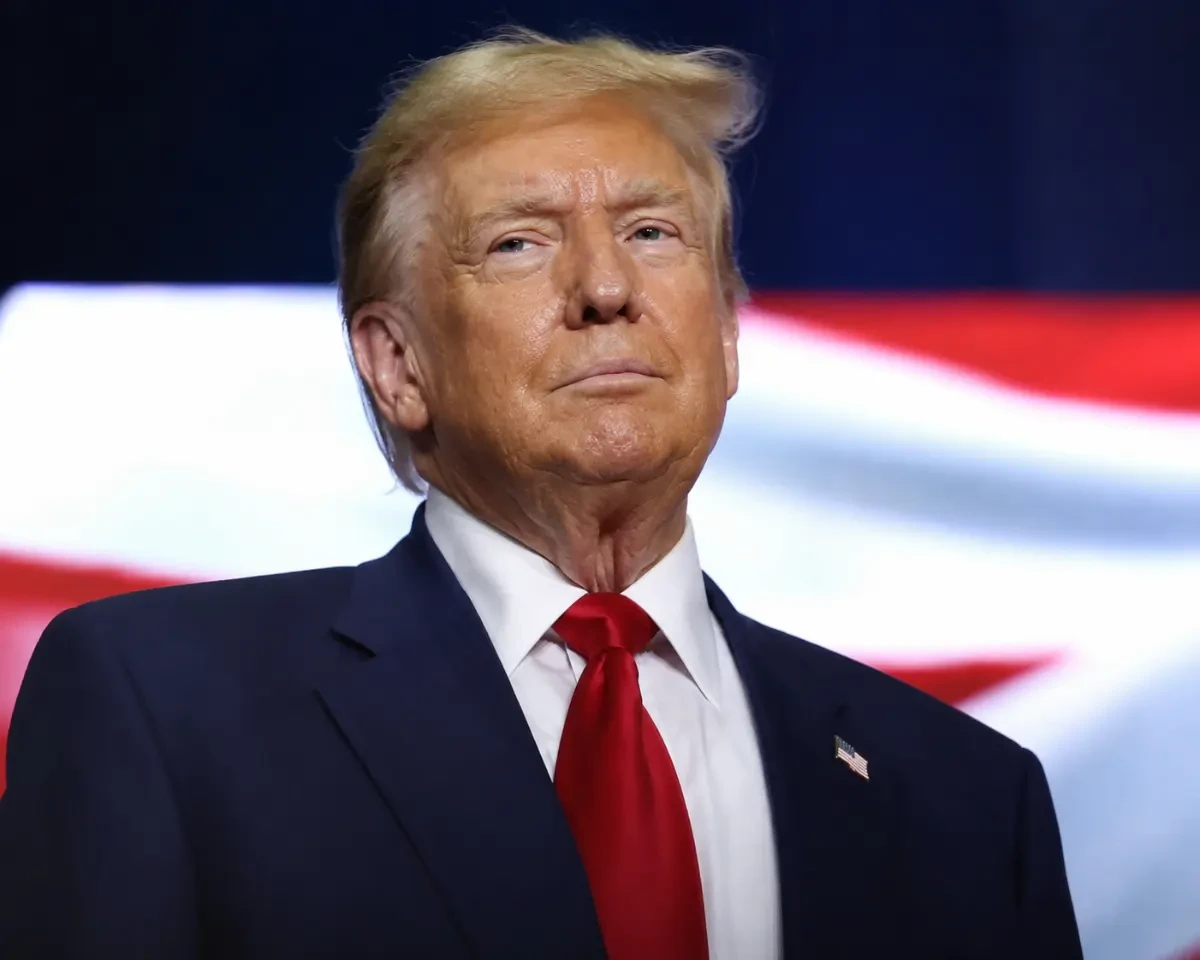
The White House announced late Friday that President Donald Trump will send one time payments of $90 to more than 20 million seniors enrolled in Medicare Part B, a move framed as a direct benefit to voters ahead of the November 3 midterm elections.
The payments, which will come from the Medicare Improvement Fund established by Congress in 2008, are the latest in a series of financial pledges Trump has made to voters in recent weeks. Earlier this month, he promised $500 rebate checks for Affordable Care Act premiums, and he has repeatedly campaigned on a pledge to send every American adult a $5,000 payment if Republicans retain control of Congress.
The $90 payments target Medicare Part B enrollees, who pay monthly premiums to access outpatient care, preventive services, and other medical services. The average monthly premium for Medicare Part B in 2026 is $174.70, though many beneficiaries receive assistance through programs like the Medicare Savings Programs or state supplemental plans. The $90 payment represents a partial reduction of the annual premium cost, though it does not cover the full amount.
Trump’s announcement was made via social media, bypassing traditional press briefings. The White House did not provide additional details on how the payments would be distributed or when recipients could expect to receive them. The Medicare Improvement Fund, which finances the payments, has faced scrutiny in the past over its limited scope and whether it can be used for broader financial assistance to beneficiaries.
Analysts have noted that while the payments may provide temporary relief for some seniors, they do not address broader concerns about rising healthcare costs and the sustainability of Medicare’s financing. The $90 payment is also significantly smaller than the $500 rebate checks Trump previously announced for Affordable Care Act enrollees, raising questions about the consistency of his financial assistance promises.
With the midterm elections just weeks away, the timing of the announcement underscores the political strategy behind the payments. Trump’s campaign has emphasized economic relief for seniors as a key voting issue, framing the payments as a direct response to beneficiaries’ financial struggles. However, critics argue that the payments are insufficient to meaningfully offset the cost of Medicare premiums, particularly for low income beneficiaries who rely on supplemental programs.
The Medicare Part B program serves approximately 65 million Americans, including those over 65 and younger individuals with disabilities. While the $90 payment may provide some relief, advocates warn that it does little to address the underlying challenges of rising healthcare costs and the need for long term reforms to ensure the program’s financial stability.
As the White House has not provided further details on the implementation of the payments, beneficiaries are left to await official confirmation on distribution timelines and eligibility requirements. The announcement comes as lawmakers continue to debate proposals for broader Medicare reforms, including drug price negotiations and expanded coverage options.






DISCUSSION (0)