
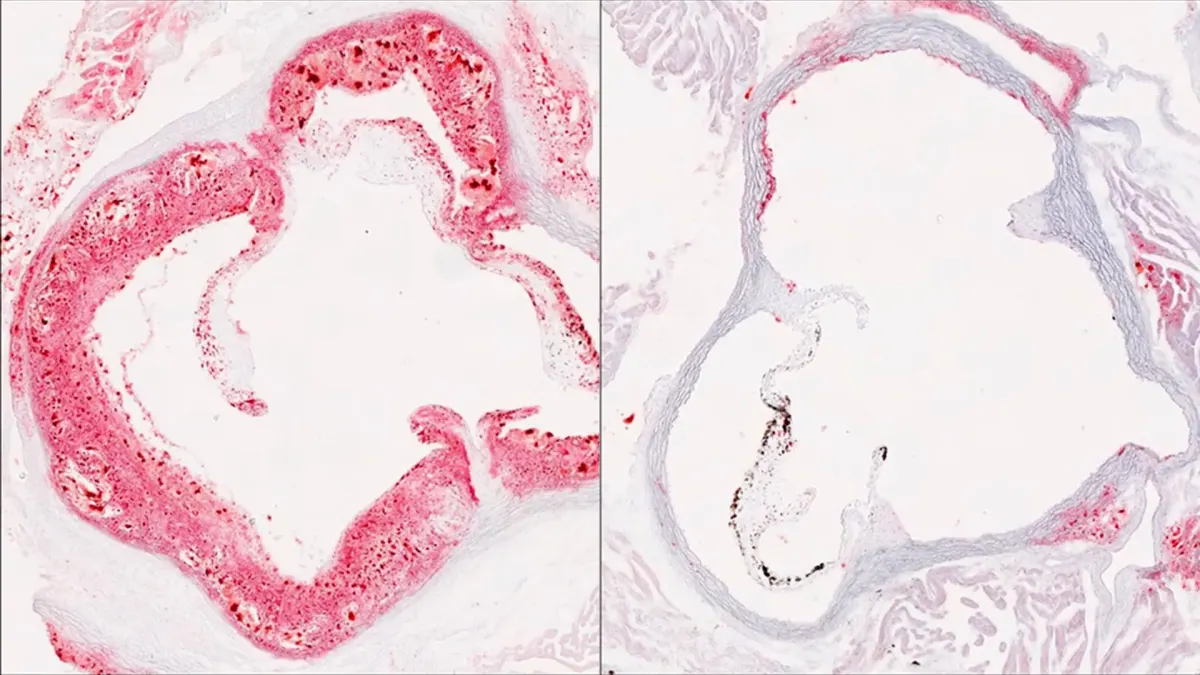
A groundbreaking discovery by scientists at UT Southwestern Medical Center has uncovered a previously unknown protein in the liver that could transform how harmful cholesterol is managed, offering a potential new avenue for treating heart disease.
The protein, named HELZ2, acts as a master regulator by controlling the production of apolipoprotein B (apoB), a critical component of lipoproteins that transport cholesterol through the bloodstream. These lipoproteins are a primary driver of atherosclerotic plaque buildup in arteries, a leading cause of heart attacks and strokes.
In a study published in Circulation, the American Heart Association’s journal, researchers found that HELZ2 influences cholesterol levels by shortening the lifespan of APOB messenger RNA (mRNA) in liver cells. When HELZ2 activity increases, APOB mRNA degrades more rapidly, reducing the production of apoB proteins and lowering the number of cholesterol carrying lipoproteins released into the blood.
‘Most previous research focused on what happens to apoB after it’s already made,’ explained Yiao Jiang, Ph.D., a postdoctoral researcher and co author of the study. ‘What surprised us was that HELZ2 acts much earlier, by controlling how long the apoB genetic message survives before the protein is even produced.’
The discovery came from a large scale genetic screening process developed by Nobel Prize winning immunologist Bruce Beutler, M.D. While studying unusual fat accumulation in mouse livers, the team identified a mutation that heightened HELZ2 activity, leading to reduced APOB mRNA stability. The result was lower levels of LDL cholesterol and triglycerides in the bloodstream, along with reduced arterial plaque formation, a key indicator of atherosclerosis protection.
However, the researchers also observed an unexpected trade off: while HELZ2 lowered blood cholesterol, it increased fat storage in the liver. This dual effect highlights a delicate biological balance between circulating cholesterol and liver fat, making HELZ2 an intriguing target for therapeutic development.
‘We can think of HELZ2 as a dial between the liver and the bloodstream,’ said senior author Zhao Zhang, Ph.D. ‘Turning it up lowers cholesterol in the blood but increases liver fat. Turning it down does the opposite. This balance makes HELZ2 particularly interesting as a potential therapeutic approach.’
Unlike traditional cholesterol lowering drugs such as statins, which primarily target cholesterol after it has been produced, HELZ2 offers a novel mechanism by influencing the genetic process at its source. If harnessed effectively, this discovery could pave the way for new treatments that address harmful cholesterol while carefully managing its broader metabolic effects.
The findings, published in Circulation, mark a significant step toward understanding how liver biology regulates cholesterol and could redefine strategies for preventing cardiovascular disease.





DISCUSSION (0)