
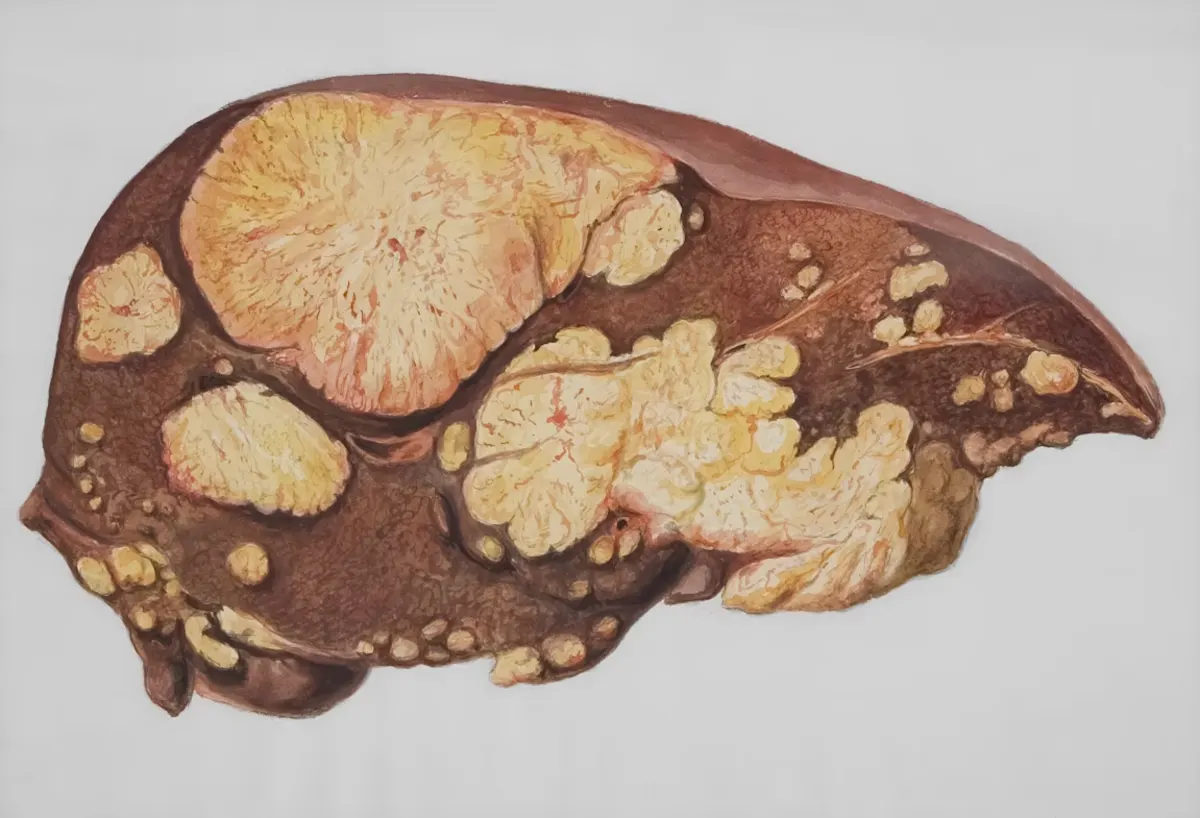
A new experimental drug called ION224 has demonstrated promising results in halting the progression of metabolic dysfunction associated steatohepatitis (MASH), a severe form of fatty liver disease that often goes undetected until advanced liver damage occurs. The findings, published in The Lancet, mark a potential breakthrough in treating a condition linked to obesity, diabetes, and a global rise in chronic liver disease.
Developed by researchers at the University of California San Diego School of Medicine, ION224 works by blocking the enzyme DGAT2, which plays a key role in fat production and storage within liver cells. Excess fat accumulation in the liver triggers inflammation and fibrosis, scarring that can eventually lead to cirrhosis, liver failure, or cancer. Unlike many existing treatments that rely on weight loss or symptom management, ION224 targets the underlying biological mechanism driving liver damage.
In a Phase IIb clinical trial involving 160 adults with MASH and mild to moderate liver fibrosis, participants received monthly injections of ION224 at varying doses or a placebo over 51 weeks. Those receiving the highest dose showed the most significant improvements: about 60% experienced meaningful reductions in liver fat, inflammation, and fibrosis compared to the placebo group. Notably, these benefits occurred without requiring patients to lose weight, a common limitation of current therapies.
The drug’s mechanism also avoided a critical drawback of earlier treatments: it did not cause dangerous spikes in triglycerides, a type of fat in the blood linked to cardiovascular risks. Side effects were minimal, and the medication was generally well tolerated. These results suggest ION224 could complement existing weight loss medications, such as GLP 1 receptor agonists, by directly addressing the liver’s pathological processes.
MASH, previously known as nonalcoholic steatohepatitis (NASH), is part of a broader condition called metabolic dysfunction associated steatotic liver disease (MASLD). With obesity and diabetes rates rising globally, MASLD has become a silent epidemic, affecting an estimated one in four adults worldwide and over 100 million people in the United States alone. Many cases go unnoticed until irreversible liver damage has already set in.
The study’s lead investigator, Rohit Loomba, MD, emphasized the potential of ION224 as a first in class treatment. ‘By interrupting the disease process at its root cause, fat accumulation and inflammation, we may finally offer patients a way to halt progression even before they achieve weight loss,’ he said. If further trials confirm these results, ION224 could redefine care for millions living with this increasingly common yet often overlooked liver disease.





DISCUSSION (0)