
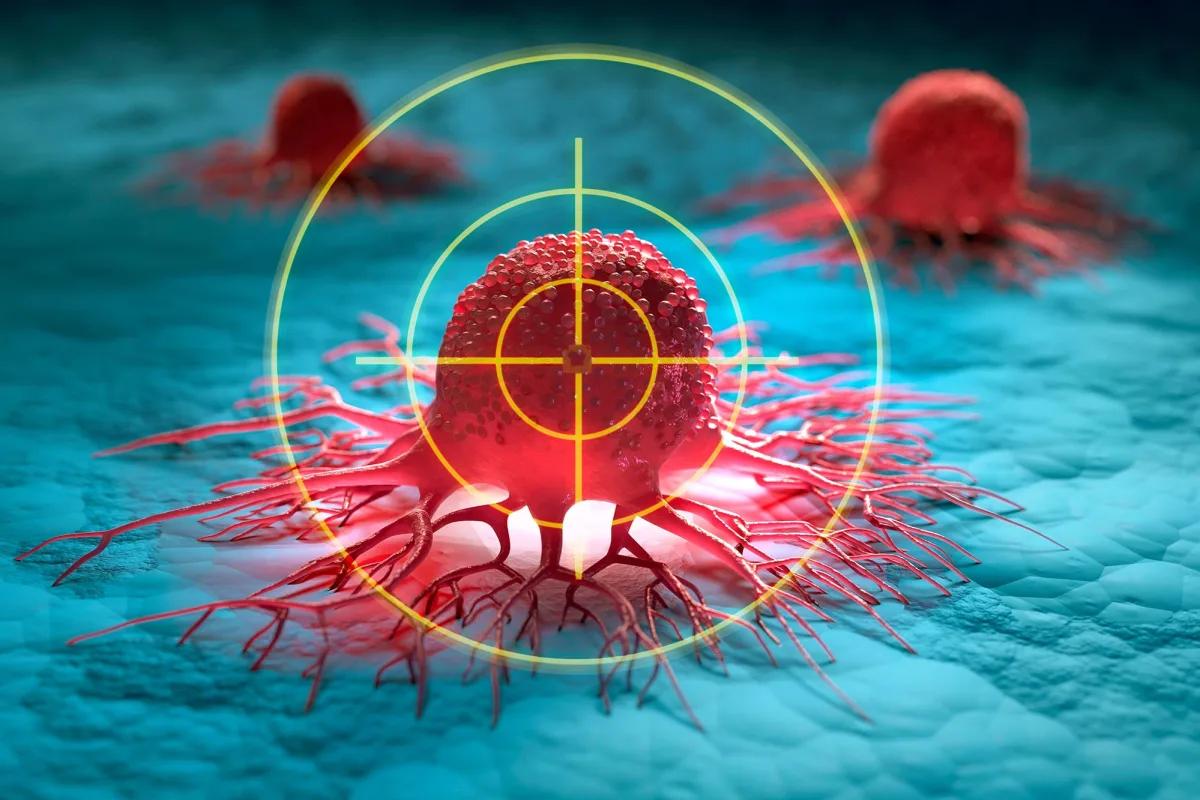
A groundbreaking immunotherapy strategy developed by researchers at McGill University could revolutionize treatment for some of the most aggressive cancers, including leukemia, glioblastoma, kidney cancer, and triple negative breast cancer. By temporarily boosting the activity of natural killer (NK) cells, the body’s first line of immune defense against disease, the team has demonstrated a safer, faster, and more scalable approach to cancer therapy.
The breakthrough, published in EMBO Reports, centers on a method that temporarily disables two proteins, PTPN1 and PTPN2, which tumors exploit to evade immune attack. In preclinical studies, the modified NK cells successfully destroyed human cancer cells from multiple hard to treat malignancies while significantly slowing tumor growth in animal models. Unlike many existing immunotherapies that rely on permanent genetic engineering of immune cells, this approach uses small molecule drugs to reversibly enhance NK cell function, reducing potential risks of unintended side effects.
The research, led by Distinguished James McGill Professor Michel L. Tremblay and his team at the Rosalind & Morris Goodman Cancer Institute, highlights a critical advantage: the therapy could be administered more efficiently. Traditionally, cell based immunotherapies require weeks of customization, where a patient’s own immune cells are harvested, modified, and reinfused, a process that is both time consuming and costly. In contrast, the McGill team sourced NK cells from donated umbilical cord blood, allowing for pre culturing and storage. This means the cells could be ready for immediate use, bypassing the need for patient specific preparation.
‘This approach is particularly promising for patients who currently have very few options, when standard treatments have failed,’ said Tremblay. The method also addresses practical barriers in immunotherapy delivery, offering a more accessible and affordable option for broader clinical application. Chu Han Feng, a research scientist involved in the study, emphasized that the technique avoids complex genetic modifications and instead leverages readily available drugs to enhance NK cell activity, making the therapy both safer and more adaptable.
While the research remains in preclinical stages, the team plans to advance the therapy into human clinical trials, with acute myeloid leukemia, a fast progressing blood cancer with limited treatment options, potentially among the first targets. Funding and regulatory approval are currently under review. If successful, this approach could provide a critical new tool in the fight against cancers where current therapies often fail.




DISCUSSION (0)