
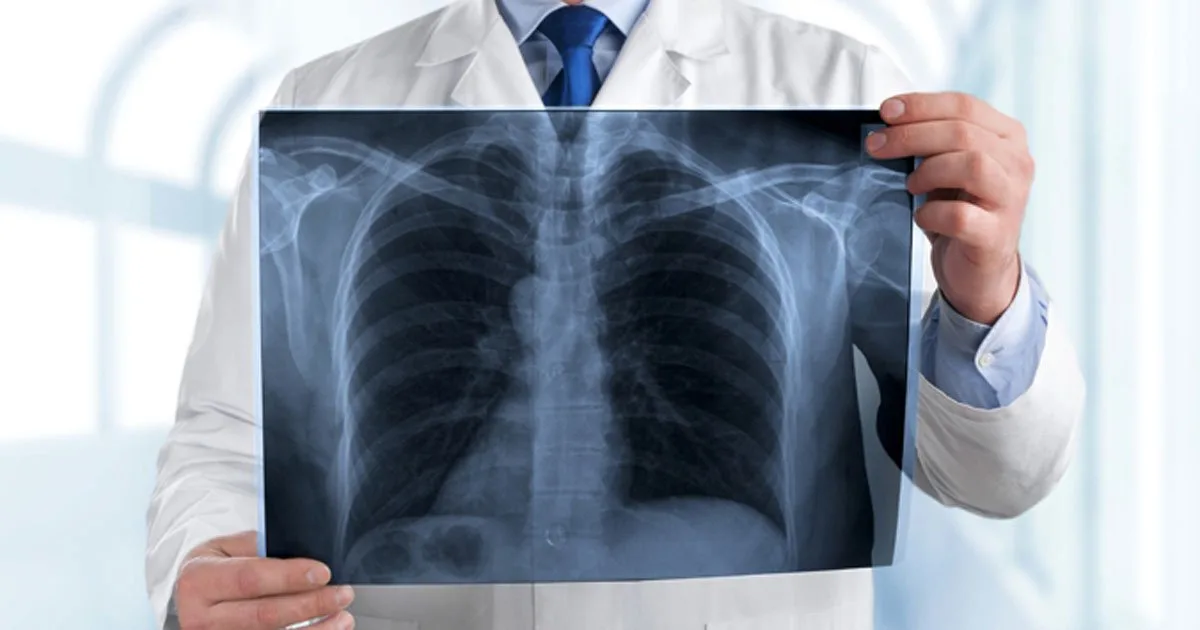
A landmark study published in JAMA demonstrates that cryoprobe based transbronchial lung biopsies deliver nearly *10% higher diagnostic accuracy than traditional forceps, offering clearer and more reliable results for patients with lung nodules, transplants, or diffuse lung disease.
The procedure, a minimally invasive technique where a bronchoscope is guided through the airway to collect lung tissue, has long relied on forceps to extract samples. However, forceps can crush tissue, potentially compromising diagnostic quality. The FROSTBITE 2 trial, a randomized multicenter study, compared a 1.1 millimeter cryoprobe (which freezes tissue for extraction) against 2.0 millimeter forceps in 500 patients.
Results showed the cryoprobe achieved an 88.6% diagnostic yield, compared to 78.8% with forceps, a statistically significant improvement. The difference was most pronounced in patients with pulmonary nodules or masses, where cryoprobe accuracy reached 83.2% versus 70.1% for forceps. Secondary safety analysis revealed a critical advantage: no pneumothoraces (collapsed lungs) occurred in the cryoprobe group, while four cases (1.6%) required chest tube placement in the forceps group. No severe bleeding or respiratory failure events were reported in either group.
‘A structurally intact, sufficiently large tissue sample directly improves diagnostic confidence,’ explained Fabien Maldonado, MD, Professor of Medicine and Director of Interventional Pulmonology at Vanderbilt University Medical Center. ‘Faster, more accurate diagnoses mean patients can access targeted treatments sooner.’ The trial, conducted across nine U.S. high volume centers, underscores the cryoprobe’s potential to reduce procedural risks while enhancing diagnostic precision, a critical advancement for conditions like interstitial lung disease and post transplant monitoring.
While earlier cryoprobe models (1.9mm) improved tissue quality but increased bleeding risks, the 1.1mm probe used here avoids scope removal, streamlining the process. The study notes that FDA recall incidents (due to probe rupturing) were not observed in this trial. The research was led by the Interventional Pulmonary Outcomes Group*, a global consortium advancing evidence based pulmonology.
The findings align with broader efforts to refine minimally invasive diagnostics, offering hope for patients who rely on precise lung tissue analysis for conditions where early, accurate diagnosis can be life changing.




DISCUSSION (0)