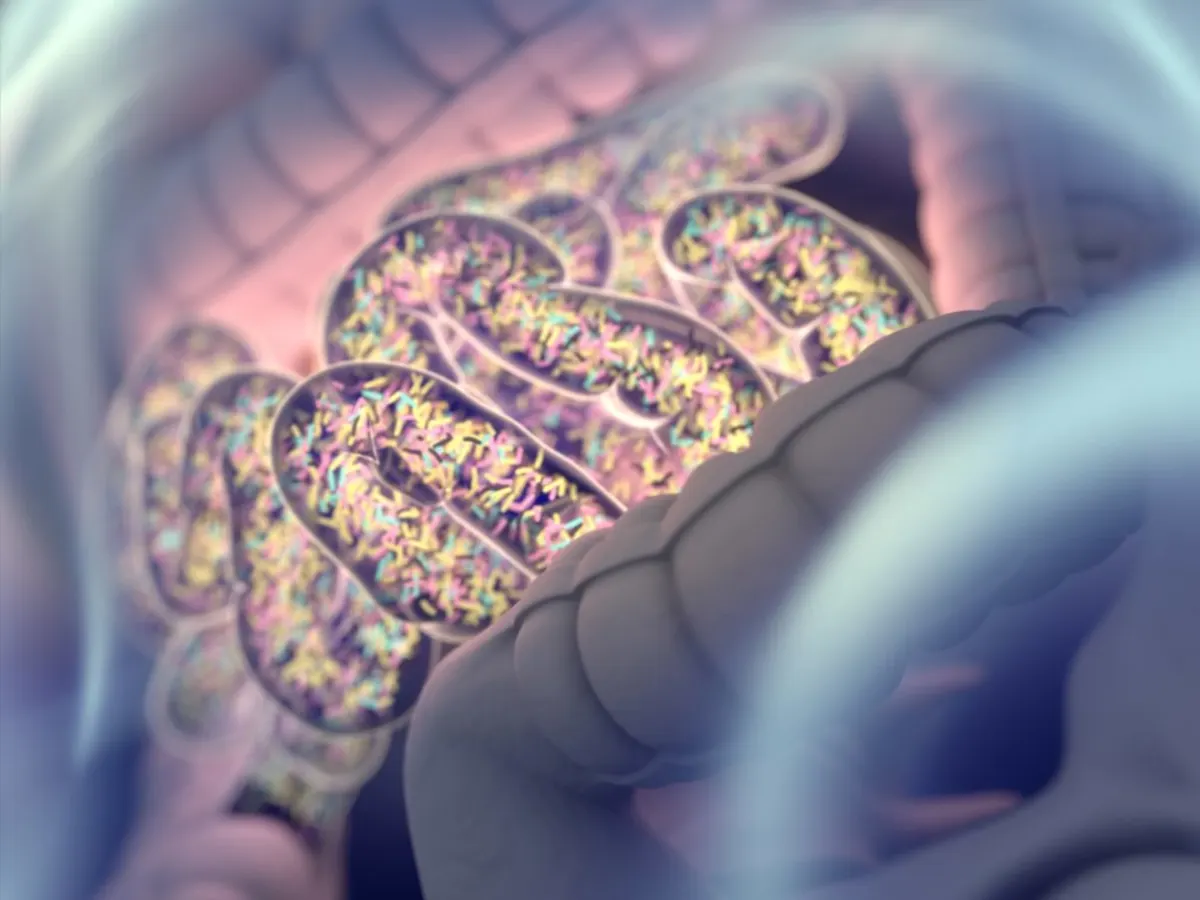
A groundbreaking study by researchers at The George Washington University and Weill Cornell Medicine has uncovered a direct link between the gut microbiome and the effectiveness of immunotherapy in patients with advanced melanoma. Published in Communications Medicine, the research analyzed data from 678 patients across seven prior clinical trials, all of whom had received immune checkpoint inhibitors, a class of therapies that can dramatically improve survival rates in certain cancers but fail to help everyone.
The findings reveal that patients whose tumors responded well to treatment were significantly more likely to harbor a specific type of gut bacterium called Faecalibacterium. Beyond this bacterial marker, the study also identified beneficial metabolic processes, particularly those that produce short chain fatty acids, known to support immune function. These compounds may enhance the body’s ability to mount an effective response against cancer cells during immunotherapy.
The research, led by Dr. Ali Rahnavard, an associate professor of biostatistics and bioinformatics at the Milken Institute School of Public Health, highlights the gut microbiome’s potential role in shaping treatment outcomes. While immune checkpoint inhibitors have revolutionized melanoma care, their efficacy varies widely among patients. This study offers a critical clue: the composition of gut bacteria may influence whether a patient will benefit from the therapy.
Beyond identifying beneficial bacteria, the study also pinpointed biological pathways associated with treatment resistance. Understanding these mechanisms could help explain why some patients do not respond to immunotherapy, paving the way for targeted interventions, such as dietary or microbial therapies, to improve outcomes.
The implications of this research extend beyond melanoma. If validated in larger trials, these findings could transform how clinicians approach immunotherapy for other cancers, enabling more precise, personalized treatment strategies. For now, the study underscores the importance of the gut microbiome as a modifiable factor in cancer care, offering hope that future patients may achieve better responses through tailored microbial support.
The study, titled ‘Meta analytic microbiome target discovery for immune checkpoint inhibitor response in advanced melanoma,’ was published in May 2026 and builds on growing evidence that the gut plays a crucial role in immune system function and cancer therapy.




DISCUSSION (0)