Exhaustive medical journalism feed covering Nigeria, Africa, and Global Breakthroughs.
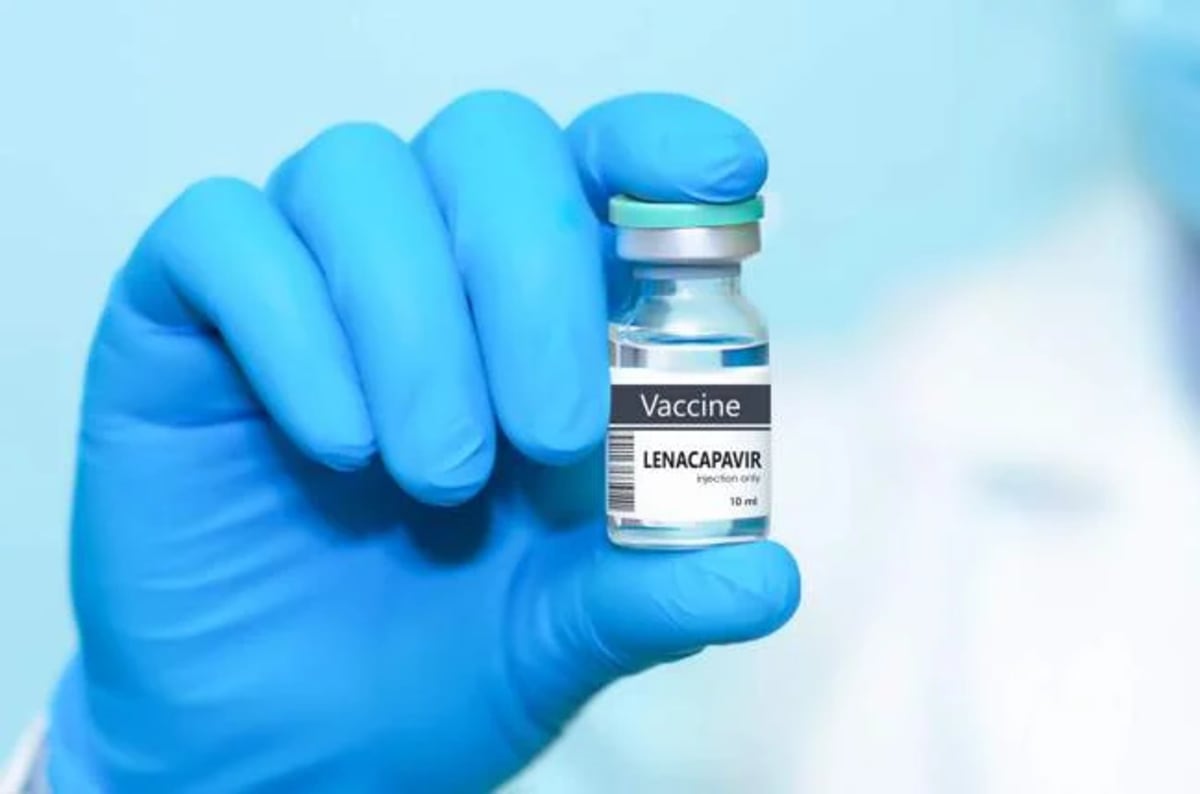
Zambia introduces lenacapavir for HIV prevention but limited supply threatens rollout among young people.
New research shows daily unsalted peanuts improve brain insulin responsiveness in older adults, potentially supporting memory and cognitive health.
WHO urges nations to move away from long-term psychiatric care to community-based mental health services
FDA proposes allowing toxic chemicals in food without safety review, alarming experts and advocates.
First UK testicular tissue transplant offers hope for fertility after cancer treatment
WHO releases first global guidelines on child obesity as cases surge worldwide
Health Secretary Kennedy’s embrace of AI confounds allies and experts amid corporate ties and skepticism over medical oversight.
AI tools now forecast clinical trial outcomes, reducing costly failures in drug development
Researchers identify P2X7 receptor as key target for anti-inflammatory treatments in Alzheimer’s, TBI, and neurodegenerative diseases.
Fidson Healthcare selected to produce generic influenza drug baloxavir marboxil for 129 countries under global licensing agreement
US Supreme Court considers blocking climate damage lawsuits against oil giants like Suncor and ExxonMobil in Boulder County case
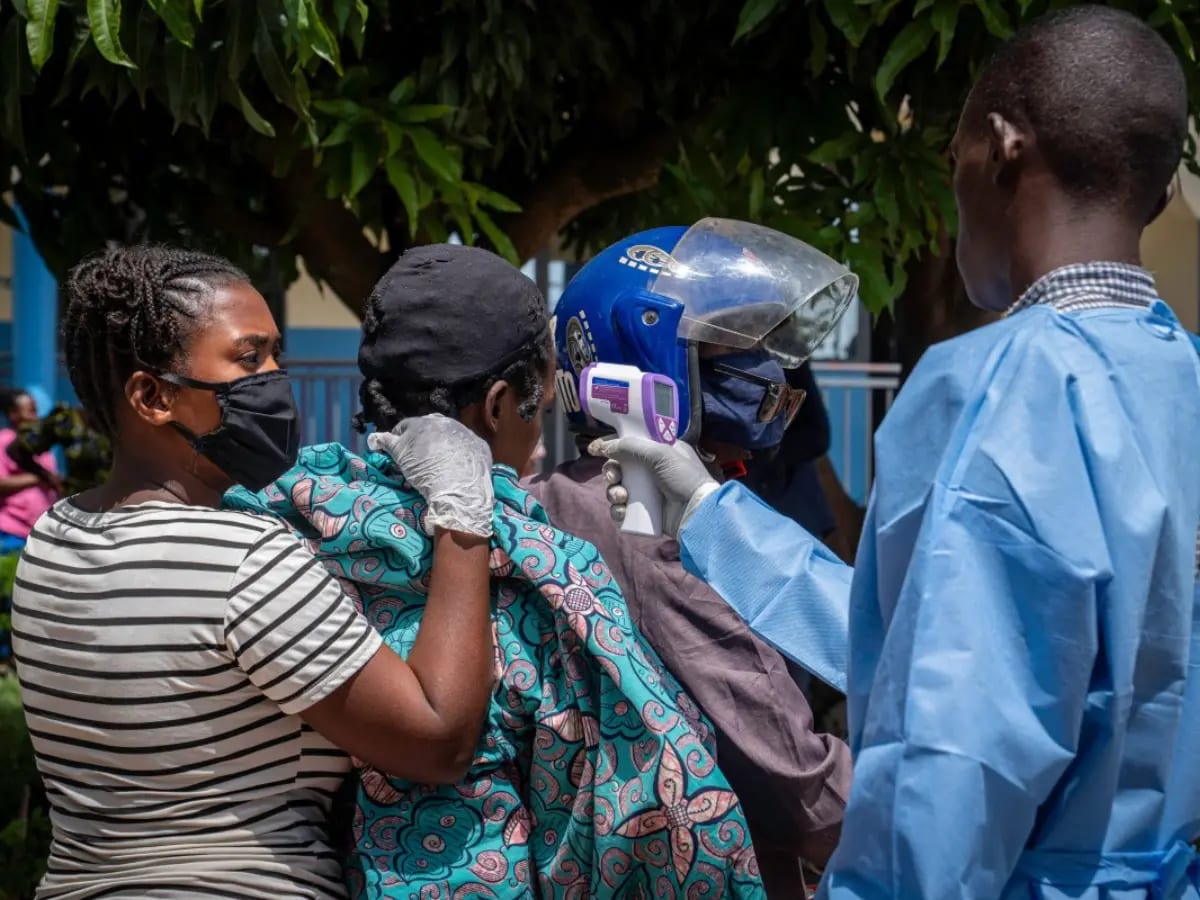
Kenya reports its first Ebola death as a man dies after returning from DRC, raising concerns about cross-border spread.
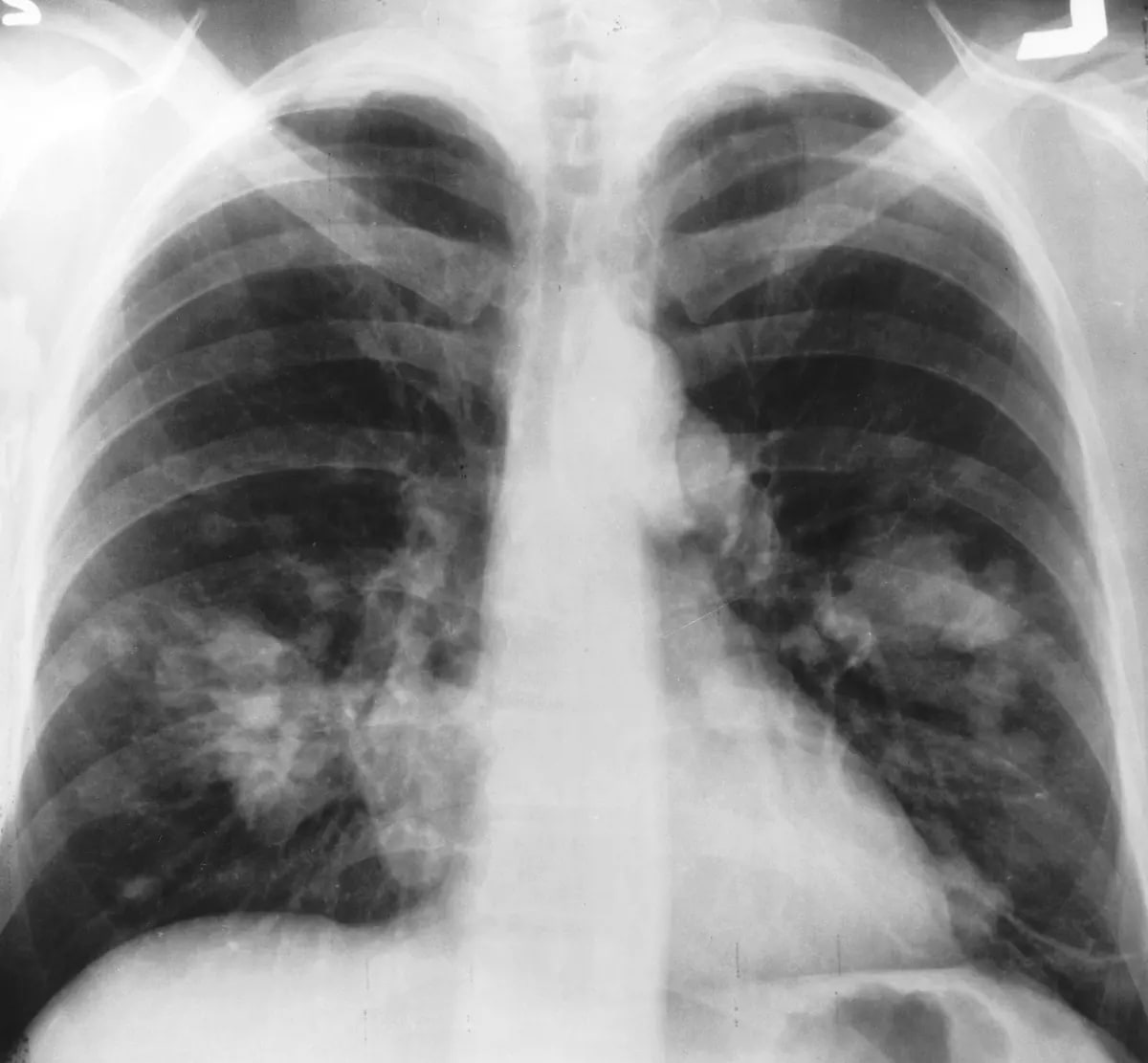
Experimental therapy reduces lung tumors and cachexia in mice study
New research reveals how cigarette smoke reprograms lung stem cells, increasing vulnerability to specific lung cancer types.
Research shows a short walk increases bowel sounds within minutes, offering new insight into constipation relief.
President Trump announces $90 payments for Medicare Part B enrollees ahead of midterm elections
Health Secretary Robert F. Kennedy Jr. suggests AI can provide better medical insights than doctors, sparking debate over patient trust in technology.
Researchers discover how daily rhythms affect eye pressure and glaucoma risk
Declining Ebola cases in DRC may not reflect actual transmission due to insecurity and community resistance
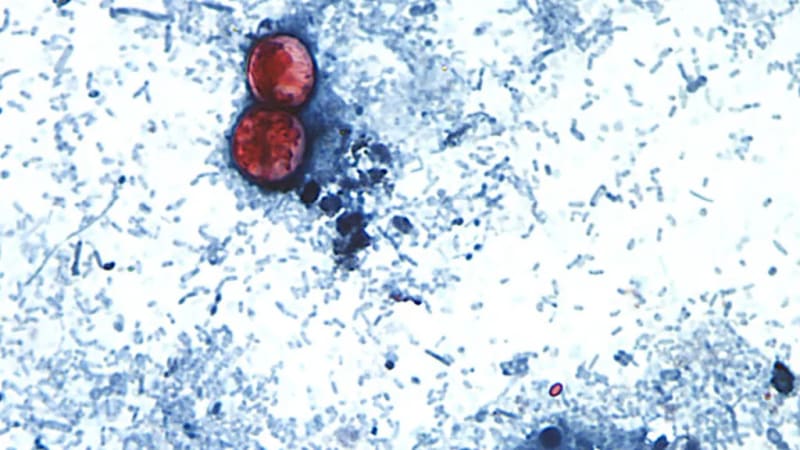
FDA inspectors detected cyclospora at Taylor Farms in Mexico linked to largest U.S. outbreak in history, closing investigation after 13,000 cases
Record bluetongue cases in UK livestock linked to climate crisis
Pharmaceutical leaders urge Nigeria to strengthen local production for medicine security and regional leadership.
Microsoft-linked datacenter operated unpermitted generators for nearly a year, emitting deadly NOx pollution in New Jersey.
Dr Parminder Kaur clarifies common misconceptions about ovarian cancer risk and treatment
Swedish study finds lower cognitive scores increase stroke risk in 60s adults, but not in older groups
President Bola Tinubu pledges to expand primary healthcare access for vulnerable Nigerians on Nigeria’s 66th Independence Day.
FDA approves first size-adjustable pulmonary valve for children with congenital heart disease, reducing need for repeat surgeries.
Physician groups criticize HHS Secretary RFK Jr.'s AI comments as undermining medical expertise and patient trust.
WHO appoints Chris Wolff as Director of Polio Eradication to lead final eradication efforts in Afghanistan and Pakistan.
New Science special issue exposes understudied sex-dependent diseases and calls for better clinical trial representation.
New research reveals long flu risks including diabetes and brain inflammation, urging vaccination
Doctors explain childhood and adult vaccination schedules, catch-up doses and vaccine safety concerns during recent webinar
Study finds scented cleaners react with ozone to produce ultrafine particles comparable to traffic pollution
Researchers develop first mouse model to study rare genetic encephalopathy linked to DHDDS gene mutations
Children aged 13 face severe bladder damage from ketamine use; UK’s first clinic reveals alarming trends in deprived areas and girls.
New study finds chronic melatonin use may increase heart failure risk by 90% over five years in insomnia patients, challenging safety assumptions.
Rescuers search for nearly 3 000 missing people after catastrophic Himalayan floods kill 633 and displace thousands.
Zanzibar and the US have agreed to a $3.1 billion health sector partnership focusing on human resources, labs, and health information systems to strengthen local healthcare delivery.
Hospitals spent $43 billion in 2025 on unpaid claims, with middle revenue cycle gaps driving denials and revenue leakage, new analysis shows.
The DRC’s Ebola outbreak, now the deadliest in history, has surpassed past outbreaks with 2325 deaths and 4945 confirmed cases, raising global health concerns.
WHO reveals over 10,400 attacks on healthcare since 2018, with Nigeria among hardest-hit nations and 5,700 deaths reported globally.
New research reveals a video game designed to enhance working memory in older adults with HIV, offering tailored cognitive support for underserved populations.
New research explains why walking becomes slower and more tiring with age, and how targeted exercises can preserve mobility and reduce fall risks.
New research shows back-and-forth vocalizations with adults build language skills in infants before they speak their first words.
New research reveals men’s higher tuberculosis rates stem from exposure, not faster disease progression, reshaping public health strategies.
WHO warns U.S. vaccine policy changes ignore decades of evidence, risking measles outbreaks amid Trump’s proposed MMR separation.
Actress Lucy Davis reveals incurable breast cancer and urges women to recognize subtle signs beyond traditional lumps, emphasizing self-checks.
England meets 80% hepatitis C treatment target, reduces deaths by 36% in a decade, aiming for WHO 2030 elimination goals.
Global Fund audit reveals fraud and mismanagement in Malawi’s malaria grant, raising concerns over World Vision’s oversight.
Niger State records 124 diphtheria cases and 17 deaths in seven months; health officials urge vaccination and improved surveillance.
New study reveals 5% of hospitalized firearm injury patients develop bacterial infections, mostly during initial hospital stays.
New research reveals frequent cannabis users may start the day with elevated cortisol, potentially disrupting stress regulation systems.
New research shows low-fat vegan diets reduce calorie intake by 30% by lowering food energy density, aiding weight loss naturally.
Obesity rates in England have doubled since 1993, with 14 million adults classified as obese, despite 14 government strategies failing to curb the rise.
WHO and Africa CDC stress urgent need for community engagement, early detection, and resource delivery to contain Ebola outbreak in DRC.
Private health scans are booming, but doctors warn of unnecessary anxiety and NHS strain from overdiagnosis.
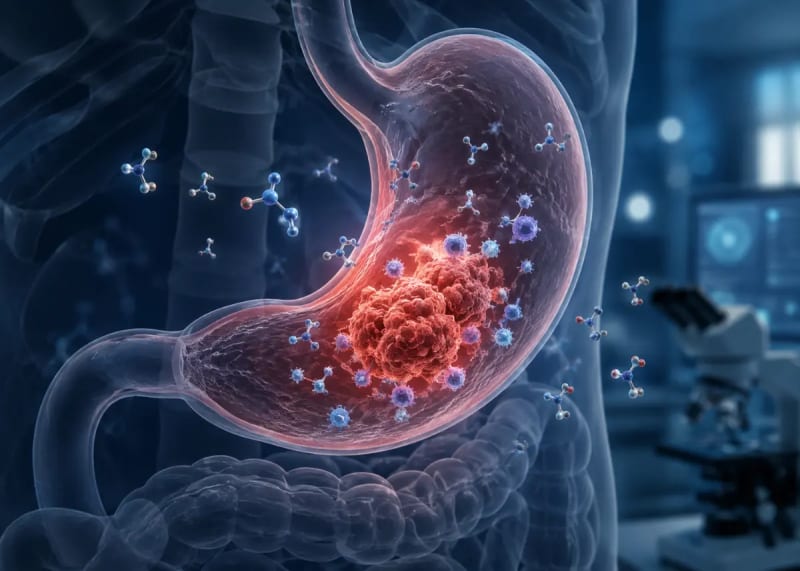
New research reveals D-serine promotes gastric tumor growth by suppressing immune response, raising concerns for immunotherapy effectiveness.
A wearable ultrasound patch may help people enter REM sleep faster and stay longer, offering a drug-free solution for sleep disorders.
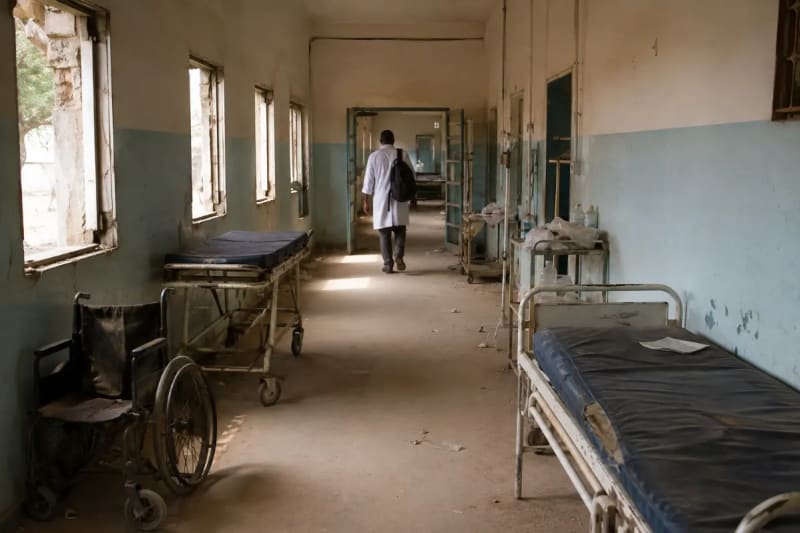
Rehed El Bardi Hospital in South Darfur risks closure after its sole doctor departs, leaving thousands without vital healthcare amid Sudan’s ongoing conflict.
DR Congo’s Ebola outbreak reaches nearly 4,000 cases, with fears of spread to Kinshasa as response efforts fall short of demand.
Federal government directs immediate action to protect health workers after 18 incidents of harassment in federal hospitals over past year.
UK health secretary demands annual heatwave planning after record temperatures strain NHS services and surge in heat-related deaths.
WHO warns Congo’s Ebola outbreak is spreading faster than containment efforts, worsened by health worker strikes and delayed treatment access.
CDC advises reconsidering nonessential travel to Haut-Uélé and Tshopo provinces in DRC amid Ebola Bundibugyo virus outbreak.
New data shows 2,005 drug deaths and 57,000 hospitalizations in 2024, driven by methamphetamine and cocaine use.
South Africa’s courts face high-profile cases: a man accused of HIV transmission, a fake assassination plot, and corruption allegations targeting anti-graft units.
Nearly a million UK students offered free meningitis B vaccine as Kent outbreak raises concerns about university risks and infection spread.
New study reveals provider and system-level factors block enrollment of Black and Hispanic children in pediatric oncology trials despite family willingness.
UN warns Sudan’s humanitarian crisis escalates with 20,000 newly displaced in Darfur, 2,000+ cholera cases, and critical funding gaps.
Former Nigerian minister pledges ₦5 million to fund critical surgery for a baby born without an anus, exposing healthcare disparities in rural Nigeria.
Scientists develop first noncontact method to measure corneal stiffness at nine points at once, improving keratoconus diagnosis and early detection.
Oxford University begins clinical trial for Ebola vaccine as DRC’s 17th outbreak surpasses 1,400 deaths and 3,200 cases, with Ituri province hardest hit.
New research shows low brain metabolism worsens survival outcomes in advanced lung cancer, offering better survival prediction tools for clinicians.
New research reveals how genetic variants tied to taste preferences may increase risks for obesity and type 2 diabetes through dietary habits.
New research shows regular moderate exercise may reduce cold and flu risk in winter, but won’t cure illness once contracted.
A 20% tax on sugary drinks in Egypt could prevent 350,000 obesity cases and save $1.8B in healthcare costs over 25 years, new modeling study finds.
Four deaths, mostly children, reported in Uganda’s Adjumani District due to rabies amid a two-year vaccine shortage in government facilities.
Federal judge halts Colorado’s first-in-the-nation drug price cap, raising questions about state regulatory authority over pharmaceutical costs.
New trial finds inulin fiber supplement may cut knee arthritis pain and boost strength with fewer dropouts than exercise programs.
New analysis reveals which cough remedies are backed by science and when to seek medical attention for persistent coughs.
Interim findings from South African studies suggest a new once-weekly HIV pill may match daily treatments in efficacy, offering potential benefits for adherence.
WHO unveils seven evidence-based strategies to reduce drowning deaths, a leading cause of death in Africa’s children and vulnerable populations.
New study reveals persistent money struggles speed brain aging, worsening cognitive health by midlife.
African leaders pledge to end AIDS and tuberculosis by 2030, boost local pharmaceuticals, and reduce maternal mortality at AU summit in Accra.
UC San Diego researchers map gene regulation in heart failure, revealing 10,000+ altered genes and 50,000+ DNA accessibility changes for potential therapies.
Scientists develop first inhibitors for NBCn2, a protein linked to epilepsy and autism, opening new avenues for neurological disorder research.
Bill Gates calls for immediate AI deployment in Africa to prevent worsening health disparities and support overburdened healthcare systems.
FDA-approved therapies and rapid diagnostic tests offer hope against gonorrhea’s growing antibiotic resistance, experts warn.
New research reveals how B-cell depletion therapies mobilize protective gut immune cells, offering fresh hope for MS patients and future treatments.
A UK humanitarian worker is being monitored in London after potential Ebola exposure in the Democratic Republic of Congo, with no symptoms reported.
New research finds GLP-1 receptor agonists like semaglutide and tirzepatide may raise alopecia risk by up to 68% compared to other diabetes treatments.
Researchers pinpoint two critical components that may help leukemia cells mature, offering potential new therapeutic targets for blood cancers.
African leaders gather in Ghana for an extraordinary summit to strengthen health systems, universal coverage, and local pharmaceutical production.
Scientists discover a novel Bundibugyo Ebola virus variant, offering critical insights for outbreak response and global health security.
Venezuela confirms three deaths from hantavirus, a rare rodent-borne disease, with health officials ruling out human transmission and emphasizing prevention measures.
FDA upholds recall of Taylor Farms iceberg lettuce despite false Cyclospora test, citing ongoing outbreak investigation and public health caution.
New research reveals why certain brain areas are more susceptible to neurological diseases despite widespread protein damage, offering potential treatment insights.
New NIH research explores how resilience may mitigate long-term mental health effects of war trauma in Vietnamese American seniors.
South Africa’s adolescent girls and young women aged 15–24 bear the brunt of the world’s largest HIV epidemic, driven by alcohol, gender inequality, and violence.
Chinese police dismantle a $3 million counterfeit Herbalife operation, exposing health risks of fake nutritional supplements and consumer protections.
Researchers identify LIG1 loss as a therapeutic vulnerability in TNBC, offering drug combinations to overcome platinum resistance and improve patient outcomes.
New trial finds semaglutide reduces liver scarring in advanced fatty liver disease, offering hope for patients with cirrhosis.
A rare but fatal amoeba linked to a child's death in Kerala raises alarms. Learn symptoms, risks, and prevention for Naegleria fowleri exposure.
WHO warns Ebola outbreak in DRC and Uganda may be two to four times larger than official figures, with survival rates higher for hospitalized patients.
Eight rabies cases and two deaths confirmed in Nigeria’s FCT; health officials warn of deadly virus spread and urge vaccination.
WHO and UNICEF warn funding gaps threaten to reverse hard-won immunization progress in low-income countries, jeopardizing child health and global disease control efforts.
Researchers discover a neuronal skeleton that regulates protein uptake, offering new hope for Alzheimer’s prevention by stabilizing brain cells.
Nigeria’s youth drug crisis demands strategic collaboration between government, private sector, and NGOs to curb abuse and protect future generations.
New research shows genetic risk scores could identify glaucoma patients decades before symptoms appear, enabling preventive care and vision preservation.
New research shows uterine aging impacts pregnancy outcomes even when donor eggs are used, challenging assumptions about fertility treatment effectiveness.
New research reveals how deep sleep regulates growth hormone release, impacting muscle, metabolism, and brain health—with potential for future therapies.
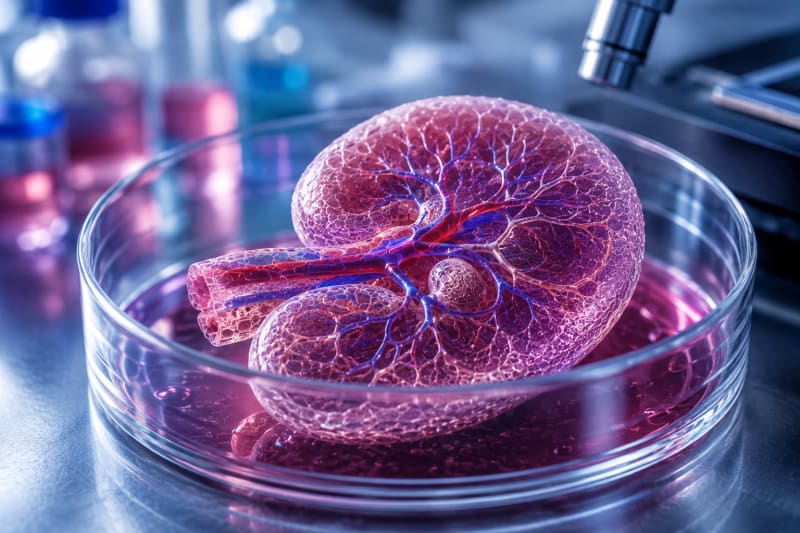
USC researchers engineer synthetic 'organizer' cells to enhance precision and reliability of lab-grown kidneys, advancing regenerative medicine and disease modeling.
Lagos clarifies 10,430 HIV diagnoses in 2025 reflect expanded testing, not new infections, emphasizing prevention and treatment access.
Researchers develop intravesical CAR T therapy targeting bladder cancer, offering potential bladder-sparing treatment for patients.
A rare Ebola strain spreads from DRC to Uganda; South Sudan at high risk as WHO warns of potential international spread.
Over 200 deaths from Lassa fever in Nigeria; doctor’s death in Benue State underscores urgent need for stronger prevention and public awareness.
Researchers develop MB-32, a small-molecule antiviral targeting ACE2 to block coronavirus entry, offering broad-spectrum protection and potential pandemic defense.
New research shows acute stress alters blood clotting, raising cardiovascular risks—here’s how it works.
Over 560 million in sub-Saharan Africa lack electricity, worsening health risks and development challenges, per WHO and SDG 7 reports.
Nearly 30% of U.S. abortions now occur via telehealth, defying legal restrictions as demand rises post-Dobbs decision.
New evidence shows ibuprofen is more effective than paracetamol for menstrual cramps, despite widespread use of the latter.
Osteopenia weakens bones silently in 40% of adults, increasing fracture risk. Learn prevention and early detection strategies.
Vitamin B12 deficiency can mimic aging symptoms like fatigue and brain fog. Learn who’s at risk and why early detection matters for long-term health.
Adamawa State begins 2026 malaria prevention drive with 4.5M antimalarial doses and 2.58M nets to protect children under five.
New 3D imaging reveals how cone opsins enable sharp color vision and rapid motion detection in daylight, offering insights into retinal diseases.
Ghana reports 15,290 new HIV infections in 2024, with young women disproportionately affected. Experts warn of systemic failures in prevention and treatment.
UNICEF and Gavi launch call for Bundibugyo Ebolavirus vaccine development with $40M funding to combat deadly outbreak in DRC and Uganda.
High temperatures suppress hunger by redirecting blood flow and energy away from digestion. Learn how heat affects appetite and nutrition strategies.
A Benue doctor died from Lassa fever after delayed treatment, prompting intensified outbreak response and renewed calls for healthcare reform.
New DNA research reveals plague devastated prehistoric Siberian communities long before urbanization, reshaping understanding of early infectious diseases.
Anambra State reports 16 active skin cancer cases among albinism community, urging urgent healthcare and public awareness intervention.
New research reveals how diabetes accelerates cognitive decline and explores medications that may lower dementia risk.
New research reveals conflicting evidence on social media’s impact on teen mental health, challenging simplistic assumptions about its effects.
UNICEF warns 1 billion children globally face at least three overlapping climate hazards, with sub-Saharan Africa and South Asia most severely impacted.
New research reveals elevated tyrosine may shorten men's lifespans by nearly a year, challenging common brain health supplement use.
The FDA has approved Stelo, the first over-the-counter wearable glucose monitor for children as young as 2, addressing rising youth diabetes rates.
Survivors like Daniel Kitambala defy Ebola’s deadly Bundibugyo strain in DR Congo, challenging myths and boosting treatment trust amid 140+ deaths.
Nigeria’s First Lady praises voluntary blood donors as heroes on World Blood Donor Day 2026, urging more Nigerians to contribute.
Emerging science reveals how high-fat diets could protect aging brains by leveraging the gut-brain axis and ketone metabolism.
New research reveals how neural reward processing in young adults with family histories of alcohol use disorder predicts future drinking patterns, offering potential for precision interventions.
New research suggests blueberries, cherries, and green tea may offer superior heart benefits than generic five-a-day recommendations.
WHO estimates 57.1 million DALYs from foodborne diseases in 2021, urging nations to prioritize targeted prevention and resource allocation.
Google is releasing sterile male mosquitoes in the US to curb disease-carrying populations, a high-tech approach with global potential and community engagement challenges.
Kwara State plans free maternal, newborn, and child health services for 1.2 million beneficiaries during 2026 MNCH Week.
The FDA has approved Hepcludex for chronic hepatitis delta virus infection, offering hope for patients with limited treatment options.
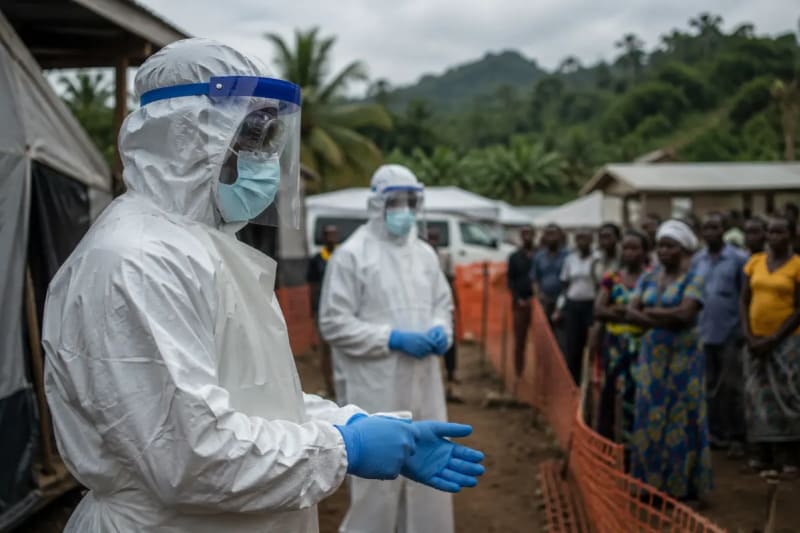
WHO and Africa CDC unveil a $518 million plan to contain the Bundibugyo Ebola outbreak, emphasizing rapid response, community engagement, and cross-border coordination.
On June 5, 1981, the CDC’s report on rare pneumonia cases in young men exposed the world to HIV/AIDS, sparking a global health crisis.
New research links poor sleep habits to brain aging markers, highlighting key behaviors to avoid for cognitive health.
Bishop Rubaramira calls for strict adherence to Ebola SOPs as Uganda resumes religious gatherings amid ongoing outbreak risks.
Nigeria’s Senate approves new agency to coordinate malaria prevention, control, and eradication efforts nationwide.
New government program helps care leavers build lifelong relationships, reducing homelessness and improving education outcomes.
Ghana’s SSNIT introduces free telehealth service for pensioners, cutting barriers to healthcare access and offering remote consultations nationwide.
Cambridge researchers test first AI-engineered vaccine targeting coronaviruses, flu, and Ebola—potential game-changer for pandemic preparedness.
Nigerian pharmacists warn of 26,000 annual tobacco deaths, call for stricter controls and policy reforms to curb addiction and economic burden.
New research shows men and women over 60 in Brazil differ in salt habits, with added salt tied to cognitive decline and cardiovascular risks.
WHO reports unsafe food causes 1.5 million deaths yearly, with children under five bearing 30% of foodborne illnesses globally.
A young man in Darwen created walking groups to support grief and mental health after losing his father.
One in four births in England now involves an emergency caesarean, a five-year rise linked to staffing pressures and shifting maternity care practices.
A century after its discovery, insulin remains out of reach for millions with diabetes, despite being essential for survival in type 1 cases.
New research explores how common gut parasites could alter mood, cognition, and behavior, with potential public health implications.
New polling reveals broad public backing for tighter controls on ultra-processed foods, prompting researchers to urge policymakers to act on obesity and chronic disease risks.
New research confirms TAK-003 dengue vaccine has favorable safety profile for travelers from non-endemic regions, offering critical insights for global prevention.
New CAR T-cell therapy trial enables kidney transplants for highly sensitized patients with near-zero donor compatibility, offering hope to thousands on waiting lists.
New research reveals how safety, trust, and autonomy influence COVID-19 vaccination choices among Black and Hispanic parents, even when they’ve been vaccinated.
Nigeria’s National Centre for Disease Control faces severe underfunding, raising alarms over weakened Ebola surveillance and response capacity amid regional outbreaks.
Mayo Clinic’s proactive alcohol-use disorder protocol achieves 0% heavy alcohol relapse in liver transplant patients, reversing historical 25% failure rate.
New study shows brief prayer sessions lower pain and anxiety in primary care patients, offering non-drug relief option.
UNICEF reports Middle East conflict raises vaccine transport costs by 50-150%, risking immunization programs for millions of African children.
Up to 50% of chronic kidney disease cases remain undetected, risking millions of lives worldwide, warns a new Lancet study.
Two researchers at a US government lab charged with smuggling deactivated mpox virus and lying to authorities during questioning.
WHO warns Nigeria’s fragile healthcare infrastructure and low public trust threaten Ebola outbreak response efforts, urging systemic reforms for trust and preparedness.
New research shows AI like ChatGPT can diagnose health problems accurately, but doctors remain superior in treatment planning and patient care.
New research reveals methyleugenol in basil and fennel may cause persistent DNA damage in liver cells, raising long-term health concerns.
South Africa’s smoking rates rise while youth vaping surges, reversing global progress—experts warn of severe health risks and call for stronger regulation.
New research shows human brain anticipates words in milliseconds, mirroring AI language models' predictive mechanisms.
Three research teams race to develop vaccines for Bundibugyo Ebola as cases surge in DR Congo and Uganda, threatening to surpass 2014-16 West Africa outbreak.
New genetic research reveals gestational diabetes may be an early indicator of type 2 diabetes risk, with implications for long-term maternal health.
Zanzibar hits 92% immunization rate but warns of remaining gaps; officials urge sustained public education and vigilance against Ebola risks.
Ebola and hantavirus outbreaks highlight critical gaps in international health coordination as funding cuts and withdrawals weaken pandemic response systems.
New global study confirms alcohol raises cancer risk even below one drink daily, challenging safe drinking thresholds.
New study shows selpercatinib reduces lung cancer recurrence risk by 83% in rare RET fusion-positive NSCLC patients after surgery.
DRC and WHO launch coordinated response to Bundibugyo Ebola outbreak in Ituri Province, emphasizing community engagement and public health measures.
Volunteers and traditional leaders in Nigeria’s Sokoto State track unvaccinated children to curb polio vaccine hesitancy amid rising cVDPV2 cases.
New study shows cryoprobe biopsies yield clearer lung tissue samples, improving diagnosis rates for nodules, transplants, and lung disease.
Researchers at Scripps Research reveal how a chemically altered STING protein sustains chronic brain inflammation in Alzheimer’s, opening new therapeutic avenues.
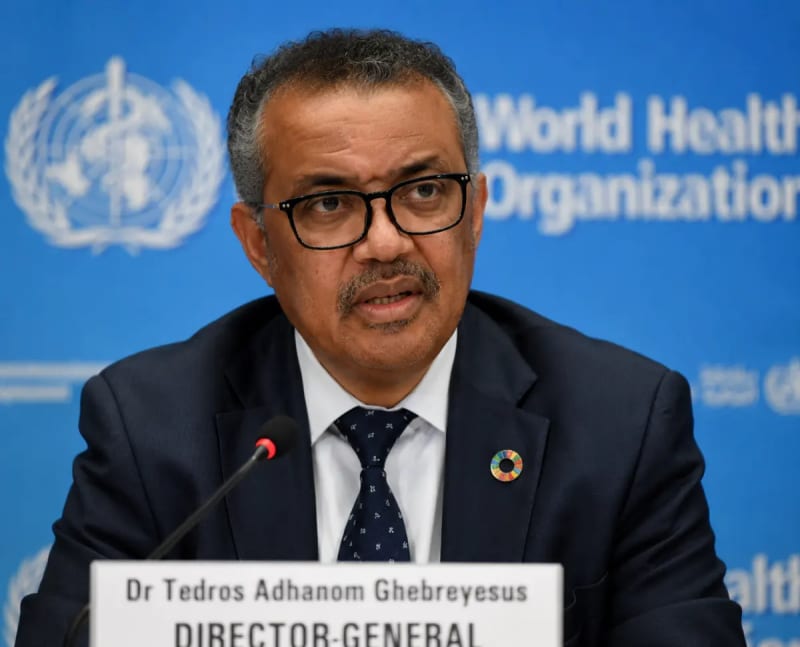
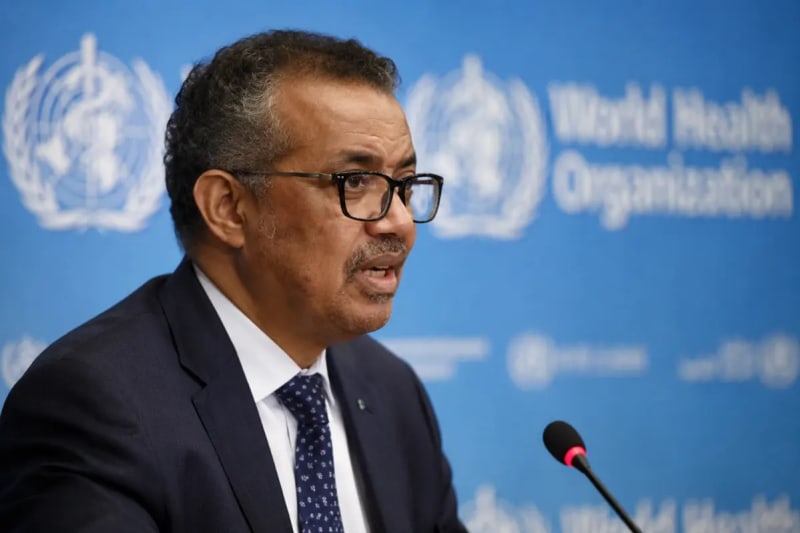
WHO Director General Tedros Adhanom Ghebreyesus visits Congo’s Ebola epicenter as Bundibugyo strain spreads, urging ceasefire and vaccine development by year-end.
NCDC raises Ebola alert for Lagos, FCT, Kano, and six others as Bundibugyo strain spreads in DRC and Uganda.
New research explains why the left ventricle is more vulnerable during ventricular fibrillation, offering hope for better cardiac arrest survival strategies.
King’s College Hospital introduces UK’s first rooftop intensive care unit, using nature exposure to potentially speed recovery for critically ill patients.
Over half of homeless individuals have suffered brain injuries before losing stable housing, new research reveals.
Driver fatigue activates multiple brain regions, impairing alertness and decision-making—raising crash risks comparable to drunk driving. Learn how to stay safe.
South Africa’s ambitious six-month antiretroviral therapy rollout faces delays, leaving millions with fewer clinic visits behind schedule.
WHO Director-General Dr. Tedros Adhanom Ghebreyesus appeals for peace in DR Congo’s Ituri province as Ebola spreads, threatening lives amid conflict.
Cambridge researchers reveal lab-grown brain-spinal cord model shows potential to reverse previously 'irreversible' nerve damage, offering hope for spinal injuries and neurological disorders.
New research shows the gut-brain axis impacts emotions, mood, and cognition—here’s how your microbiome shapes mental health.
WHO warns Ebola spreads rapidly in DR Congo as conflict, displacement, and hunger undermine containment efforts. Over 1,000 cases reported.
Black men aged 45-74 in the UK will now be invited for prostate cancer screening trials as part of efforts to improve early detection.
New research reveals standardized psychiatric interviews yield inconsistent results, challenging long-held diagnostic practices in mental health care.
New study finds maternal exposure to PFAS linked to earlier puberty onset in children, with sex-specific variations in timing and effects.
Aalto University researchers develop near-infrared laser therapy to activate cellular repair in dry AMD, offering potential early intervention before vision loss occurs.
ION224, a new drug targeting liver fat production, shows significant improvements in MASH patients without weight loss requirements.
New blood test may eliminate invasive biopsies for lung transplant patients, improving early detection of rejection and patient care.
Young women with endometriosis often endure a decade of pain before receiving a diagnosis, highlighting systemic delays in healthcare.
New preclinical study reveals dasatinib+quercetin combo damages brain myelin in mice, raising concerns for anti-aging therapies and MS research.
Resident doctors in England prepare for a four-day strike in June, marking the 16th walkout since 2023 over pay and working conditions.
South Sudan’s Diocese of Tombura-Yambio intensifies Ebola preparedness as neighboring DRC reports over 1,000 suspected cases and 241 deaths.
Families demand justice as NHS trust linked to multiple deaths faces systemic care failures and delayed inquiry.
Borno State faces worsening cholera outbreak with 27 deaths and 2,715 suspected cases in May; health experts warn of underreporting and urgent need for intervention.
Blocking two cancer pathways could reduce relapse rates in medulloblastoma, the most common pediatric brain tumor, according to preclinical research.
New study finds beetroot juice reduces blood pressure in older adults by altering oral bacteria, offering a simple dietary solution for cardiovascular health.
Learn how to distinguish between heat exhaustion and heatstroke, identify high-risk groups, and take critical steps to prevent severe complications during extreme heat.
NIH research uncovers brain cell mechanisms behind GLP-1 drug weight loss plateaus and suggests ways to extend effectiveness.
New research reveals irreversible lung damage begins in preschool-aged children with cystic fibrosis, urging earlier anti-inflammatory treatments alongside current therapies.
Major study finds beta blockers offer no benefit for patients with normal heart function post-heart attack; women face higher risks.
Scientists reveal why certain cells with duplicated DNA survive, offering new hope for cancer treatments and aging research.
Researchers used AI to analyze 400,000 Reddit posts, uncovering previously unreported GLP-1 drug side effects like menstrual changes and flu-like symptoms.
Strict state privacy laws prevent families from accessing historic psychiatric records, leaving mental health mysteries unresolved and raising ethical concerns.
New UK study reveals short-term exposure to pollutants impacts brain activity and lung function, raising dementia concerns.
New research shows adding bananas to berry smoothies can slash flavanol absorption, undermining heart and cognitive health benefits.
New research reveals blood markers may predict Alzheimer’s up to 20 years before symptoms appear, offering a critical window for intervention.
Researchers identify HELZ2 protein as a key regulator of cholesterol production, offering potential new treatments for heart disease.
New research shows laughter boosts brain development, emotional bonds, and resilience in children, offering parents simple ways to foster growth.
Scientists discover brain protein Menin triggers inflammation, memory loss, and bone deterioration in aging mice. Restoring Menin reverses decline, raising hope for human interventions.
Researchers find EXO1 gene overexpression may degrade DNA, driving cancer progression and offering new treatment targets for precision oncology.
Scientists enhance natural killer cells to overcome tumor defenses in leukemia, glioblastoma, and triple-negative breast cancer—without permanent genetic changes.
Anambra State rolls out Lenacapavir, a twice-yearly HIV prevention injection, free at public health facilities to curb infections and improve access.
Researchers identify a neural pathway in the brain linking abstract goals to physical actions, reshaping understanding of motor control and neurological disorders.
Nigeria launches sodium reduction campaign to cut hypertension and cardiovascular disease risk by 30% by 2030 through public health and food policy reforms.
American College of Cardiology outlines structured postpartum care to reduce maternal heart disease risks and deaths after childbirth.
Two Nigerian studies on community pharmacy career progression accepted for presentation at the 2026 FIP World Congress in Montreal.
Oxford University scientists race to develop a vaccine for the deadly Bundibugyo Ebola strain, with trials potentially starting in months as DRC outbreak escalates.
Ogun State begins zero-dose vaccination campaign with UNICEF and Republic of Korea to boost immunization coverage for children under 2.
The Democratic Republic of Congo faces a new Ebola outbreak with the rare Bundibugyo strain, posing severe local risks but minimal threat outside the region.
CDC data shows STI cases dropped from 2022-2024 but remain elevated; public awareness of transmission and prevention lags, survey reveals.
New research shows outdoor exercise is more effective than supplements for combating winter vitamin D deficiency, boosting immunity and health naturally.
New study shows routine pediatric screenings can identify early-stage type 1 diabetes, preventing severe complications through timely intervention.
New study finds prenatal exposure to chlorpyrifos linked to brain abnormalities and motor skill deficits in children.
Scientists use synthetic materials to guide pancreatic cancer organoids into new cell states, offering insights into tumor progression and potential therapies.
New research shows high-fat, high-sugar diets in early life may permanently alter brain regions controlling appetite, even after dietary changes.
New research shows AI-driven wearable tech cuts depression symptoms by half in six weeks, offering hope for personalized mental health care.
New research links specific gut bacteria to better responses in melanoma patients undergoing immunotherapy, offering potential for personalized cancer care.
New research shows leucine preserves mitochondrial proteins, enhancing energy production and offering potential for metabolic and cancer therapies.
New research shows GLP-1 medications like semaglutide cut cardiovascular risks by nearly a third, offering hope beyond diabetes and obesity management.
MIT researchers find cysteine boosts gut healing in mice after radiation, offering potential dietary therapy for cancer patients.
Scientists develop light-driven method to create housane molecules, advancing drug development and materials science.
One in ten women live with adenomyosis, a painful womb condition often dismissed as normal. Experts urge better diagnosis and awareness.
Ghana faces a silent crisis: fathers’ financial and emotional disengagement fuels child malnutrition, leaving mothers alone to navigate severe health risks.
Nigeria reports 191 deaths from Lassa fever in 2026, with 776 cases across 23 states; late hospital visits drive preventable fatalities, warns NCDC.
A recent hantavirus outbreak underscores why South Africa’s stance on pathogen access and benefit-sharing must be central to global pandemic agreements.
Extreme heat strains the body, increasing risks of heat exhaustion, heart strain, and heatstroke. Learn who’s most vulnerable and lifesaving precautions.
New study shows calorie-controlled Mediterranean diet with exercise and coaching cuts type 2 diabetes risk by 31% over six years.
Researchers found a protein that reduces chronic inflammation in aging mice, restoring strength and bone health—potentially paving the way for human anti-aging therapies.
Scientists decode cellular sugar structures, offering potential for precise, early disease detection including cancer.
Nigeria inaugurates new veterinary centres in Lagos and Ogun to enhance livestock disease prevention and farmer access to healthcare services.
Three Malawian nationals face 4,294 fraud charges for siphoning R26M from South Africa’s COVID-19 unemployment relief funds.
China plans preschool legislation and clarifies rural healthcare fee increases amid public concerns over safety and affordability.
New research links human right-handedness to upright walking and brain expansion, reshaping understanding of our evolutionary biology.
Nigerian doctors warn Ebola’s early symptoms mimic malaria, risking deadly delays in treatment and outbreak spread.
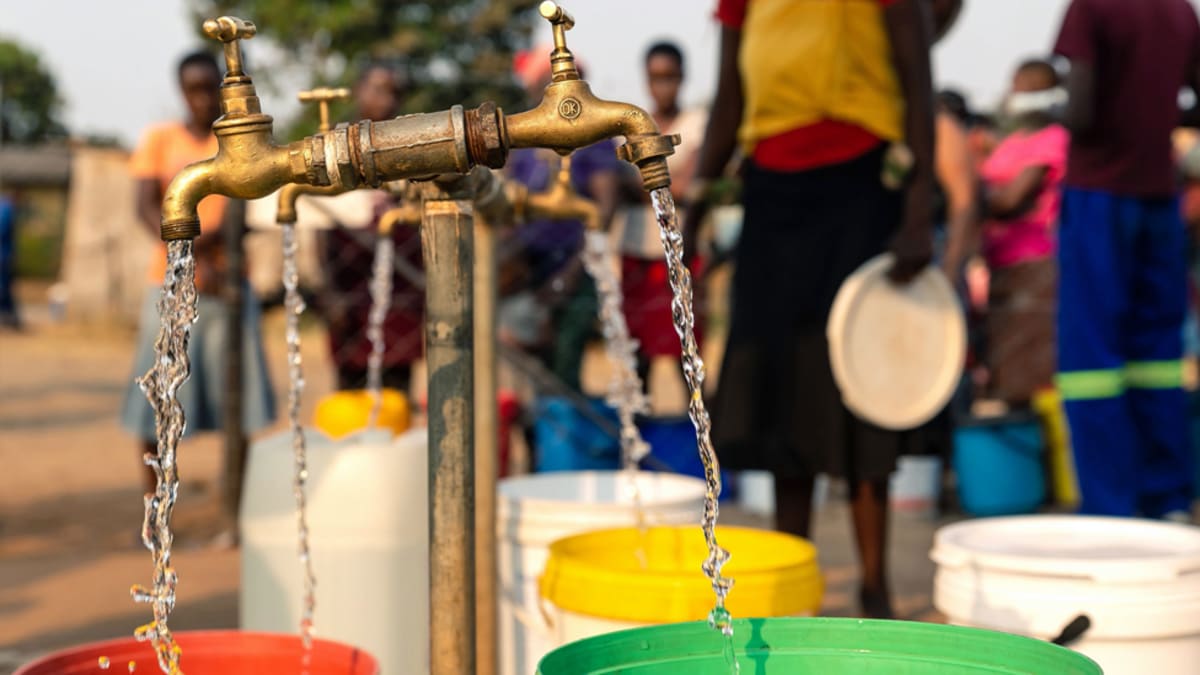
Zimbabwe confirms two cholera cases in Zvishavane amid severe water shortages, raising fears of wider spread without urgent intervention.
A kimchi-derived probiotic shows potential in binding and removing nanoplastics from the human digestive system, early research suggests.
Oyo State adopts national safe pregnancy termination guidelines to reduce maternal deaths by up to 30% through evidence-based healthcare policies.
Médecins Sans Frontières reports record malnutrition cases in Nigeria, with 440,000 children treated in 2025 as funding gaps worsen.
Gauteng Health Department rushes to fill 25 medical vacancies at Tembisa Hospital to curb patient delays and improve emergency care.
Coffee’s short-term effects on blood pressure differ from long-term heart health impacts. New research clarifies what moderation truly means for hypertension.
New study reveals fasting rewires the body’s proteins after day three, with brain and immune system benefits emerging unexpectedly.
New research shows watermelon may support heart health and improve diet quality by reducing harmful fats and boosting essential nutrients.
A revolutionary swab test in UK hospitals delivers womb cancer results in days, reducing invasive procedures and improving patient care.
A Canadian passenger tests positive for hantavirus after disembarking from a cruise ship, raising concerns about potential spread and containment efforts worldwide.
Premenstrual dysphoric disorder (PMDD) causes severe depression and suicidal thoughts for millions—yet most go undiagnosed and untreated.
New research reveals vitamin B2’s unexpected role in shielding cancer cells from ferroptosis, offering potential for novel cancer therapies.
Researchers identify glycerol-activated enzyme in brown fat that burns calories and strengthens bones, offering potential therapies for obesity and osteoporosis.
Dr Zainab Shinkafi Bagudu discusses Nigeria Health Watch’s role in reshaping public health narratives through data-driven advocacy.
New research shows a short-term diet shift can reduce biological age in older adults, offering potential insights into aging and health.
Researchers at UBC Okanagan identify enzymes behind mitraphylline synthesis, enabling sustainable drug development for cancer treatment.
Researchers identify glycyrrhizin, a compound in black licorice, as a potential therapy for inflammatory bowel disease using advanced stem cell models.
Scientists transferred a longevity gene from naked mole rats to mice, extending lifespan and improving health by reducing cancer risk and inflammation.
New research shows fructose reshapes metabolism, driving obesity and chronic disease beyond empty calories.
New study reveals semaglutide achieves 15% average weight loss in adults over 65, improving heart and metabolic health.
WHO confirms RTS,S malaria vaccine averted one in eight child deaths in Africa’s highest-burden countries over four years.